
Painting during big temperature swings can cause poor adhesion and uneven finishes. Rapid temperature changes disrupt the chemical processes needed for paint to cure properly, leading to peeling, cracking, or blistering over time. High or low temperatures can trap moisture or hinder drying, making your paint less durable. To guarantee a smooth, long-lasting job, it’s best to work when conditions are stable. Keep going to discover how to avoid these common pitfalls and get professional results.

Get furniture and decor delivered free with Prime
- Fast, free delivery on millions of items
- Prime Video, Amazon Music and more included
- Member-only deals all year
Key Takeaways
- Temperature swings hinder proper paint drying, adhesion, and curing, leading to peeling and uneven finishes.
- Rapid changes cause substrate movement, which stresses the paint and results in cracking or peeling.
- Extreme temperatures disrupt chemical processes, trapping moisture or preventing proper bonding.
- Fluctuating conditions increase risks of bubbling, blistering, and tackiness in the paint.
- Inconsistent temperatures often require repainting due to poor adhesion and surface defects.
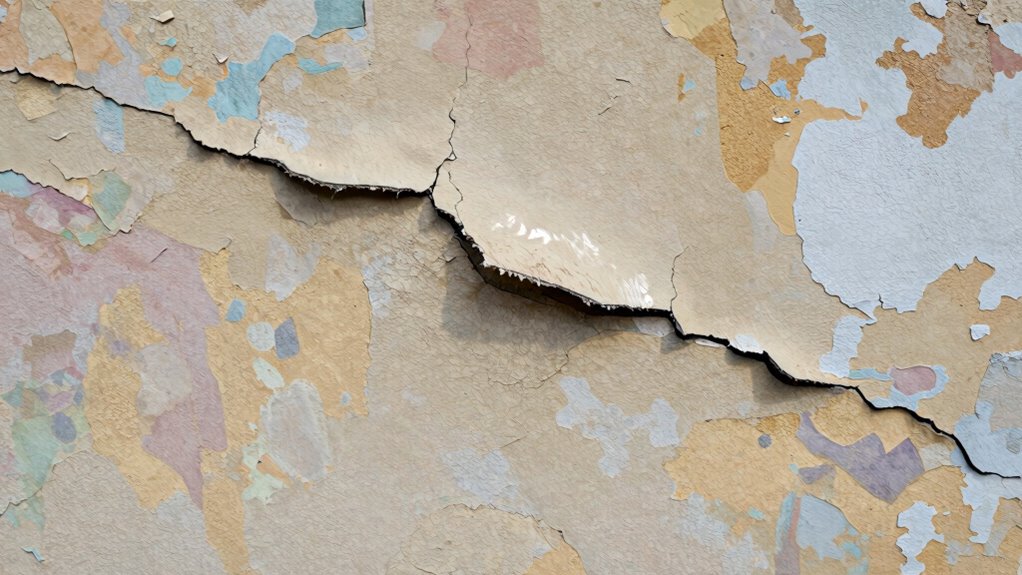
Painting during big temperature swings can lead to serious problems, as fluctuating conditions prevent paint from drying properly and adhering well. When temperature fluctuations occur, they disrupt the chemical processes that allow paint to set and cure. If you attempt to paint in weather that swings from hot to cold or vice versa, the paint’s ability to bond with the surface diminishes markedly. This inconsistency can cause the paint to peel, crack, or blister over time, leaving your project looking uneven and poorly finished.
Painting during temperature swings can cause peeling, cracking, and poor adhesion, leading to an uneven, lasting finish.
One of the main issues with temperature fluctuations is that they interfere with paint adhesion. Paint relies on a stable environment to adhere correctly to surfaces. When temperatures rise or fall rapidly, the paint’s solvents may evaporate too quickly or too slowly, disrupting the bonding process. If the temperature drops too low after application, the paint can freeze or become too thick, preventing it from spreading evenly. Conversely, if it gets too hot, the paint might dry too fast, trapping moisture inside or leading to a rough, uneven finish. These problems compromise the long-term durability of your paint job.
You need to be aware that the ideal temperature range for most paints is typically between 50°F and 85°F (10°C to 29°C). Outside this range, the risks increase. During high temperature swings, you might notice the paint forming bubbles or blisters as it dries unevenly. When the temperature drops suddenly, paint can take much longer to cure or may remain tacky, inviting dirt and debris to stick to the surface. These issues make it difficult to achieve a clean, professional look, and they can also require you to redo the work altogether. Proper climate control can help mitigate these risks and improve your painting results.
Furthermore, rapid temperature changes can cause the substrate—be it wood, metal, or drywall—to expand or contract. This movement puts additional stress on the freshly applied paint, causing it to crack or peel prematurely. If you’re working outdoors, wind, sunlight, and humidity compound these problems, making it even harder to maintain a consistent environment. Additionally, biodiversity and environmental factors can influence the weather conditions, further complicating outdoor painting projects. Being aware of these environmental influences allows you to better plan your work and avoid unnecessary setbacks.
interior paint temperature gauge
As an affiliate, we earn on qualifying purchases.
As an affiliate, we earn on qualifying purchases.
Frequently Asked Questions
How Do Temperature Swings Affect Different Types of Paint?
Temperature swings impact different paints by affecting paint adhesion and surface prep. When temperatures fluctuate, some paints may crack, peel, or fail to bond properly. You need to guarantee the surface is well-prepped and the temperature is stable during application. Warm, consistent conditions help all paint types adhere better, preventing issues caused by rapid temperature changes. Proper surface prep and timing are key to achieving a durable, smooth finish.
What Are the Best Seasonal Times for Painting?
You should paint during mild weather, ideally in spring or early fall, when temperatures are stable. This allows you to focus on color preparation, ensuring your paint matches your vision, and brush selection, choosing brushes suited for the surface and paint type. Avoid extreme heat or cold, as fluctuating temperatures can cause paint issues. Painting during the right season helps achieve a smooth, durable finish without weather-related setbacks.
Can Temperature Swings Cause Long-Term Damage to Painted Surfaces?
Imagine you painted your porch in early fall, but a sudden temperature drop causes the surface to contract. This can lead to cracks or peeling over time because temperature swings hinder proper surface prep and reduce paint adhesion. Repeated fluctuations weaken the bond, risking long-term damage. To prevent this, guarantee ideal conditions, maintain consistent temperatures, and follow proper surface prep techniques for lasting results.
Are There Specific Paints Designed for Temperature Fluctuations?
Yes, there are paints specifically designed for temperature fluctuations. These paints help improve color retention and guarantee proper paint drying even when temperatures vary. You’ll find these formulations resistant to cracking and peeling caused by expansion and contraction. Using such specialized paint allows you to maintain a smooth, vibrant finish over time, regardless of temperature swings. It’s a smart choice to protect your surfaces and keep your paint looking fresh longer.
How Do Humidity Levels Interact With Temperature Changes During Painting?
Imagine you’re painting outside on a humid morning, and the temperature drops suddenly. Humidity effects become prominent, causing moisture to condense on surfaces, leading to poor adhesion. High humidity can also interfere with drying times, especially if moisture barriers aren’t in place. During temperature changes, controlling humidity levels helps prevent paint from blistering or peeling, ensuring a smooth finish and longer-lasting results.
weather-resistant exterior paint
As an affiliate, we earn on qualifying purchases.
As an affiliate, we earn on qualifying purchases.
Conclusion
So, next time you plan to paint during big temperature swings, remember that temperature changes can cause paint to peel or crack, leading to costly fixes. Did you know that over 60% of paint failures are linked to improper application during temperature fluctuations? Keep an eye on the weather, and wait for stable conditions to guarantee your paint job lasts. Trust me, a little patience now saves you headaches—and money—later.
As an affiliate, we earn on qualifying purchases.
temperature-controlled paint sprayer
As an affiliate, we earn on qualifying purchases.
As an affiliate, we earn on qualifying purchases.
Halloween Picks
halloween
As an affiliate, we earn on qualifying purchases.