
Many people believe one gallon of paint covers a specific area, but that’s a common myth that can lead to wasted coats and extra work. The actual coverage depends on factors like surface texture, porosity, and paint quality. Poor surface prep or applying uneven brush strokes also increase the coats you need. Understanding these details helps you avoid wasting paint and achieve a smoother finish. Keep going to discover how knowing these factors can save you time and money.

Get furniture and decor delivered free with Prime
- Fast, free delivery on millions of items
- Prime Video, Amazon Music and more included
- Member-only deals all year
Key Takeaways
- Assuming one gallon covers a fixed area ignores surface porosity and texture differences.
- Poor surface preparation can lead to uneven coverage, requiring extra coats.
- Applying paint with excessive pressure or uneven techniques causes uneven layers and wasted paint.
- Choosing low-quality or transparent paints increases the number of coats needed.
- Not considering color transition and paint opacity can result in unnecessary additional coats.
Many homeowners believe that one gallon of paint will always cover a specific square footage, but this isn’t necessarily true. The actual coverage depends on several factors, including the type of surface, the paint’s consistency, and even your application method. When you’re preparing to paint, it’s tempting to think that a single coat will do the job, especially if you’ve done your research or followed the label instructions. However, the real challenge often lies in how you apply the paint. Brush techniques play a significant role here. If you use a brush with too much pressure or load it unevenly, you risk applying uneven coats that require additional layers. Conversely, using a light, controlled brush stroke can help you achieve a smoother, more even finish with fewer coats. Learning how to properly load your brush and distribute the paint evenly helps you avoid thick patches that can lead to drips or uneven color application, both of which might necessitate extra coats. Proper paint application techniques are crucial for achieving an efficient and professional result. Additionally, the consistency of your paint can influence how well it spreads and covers, making it important to choose the right type for your surface.
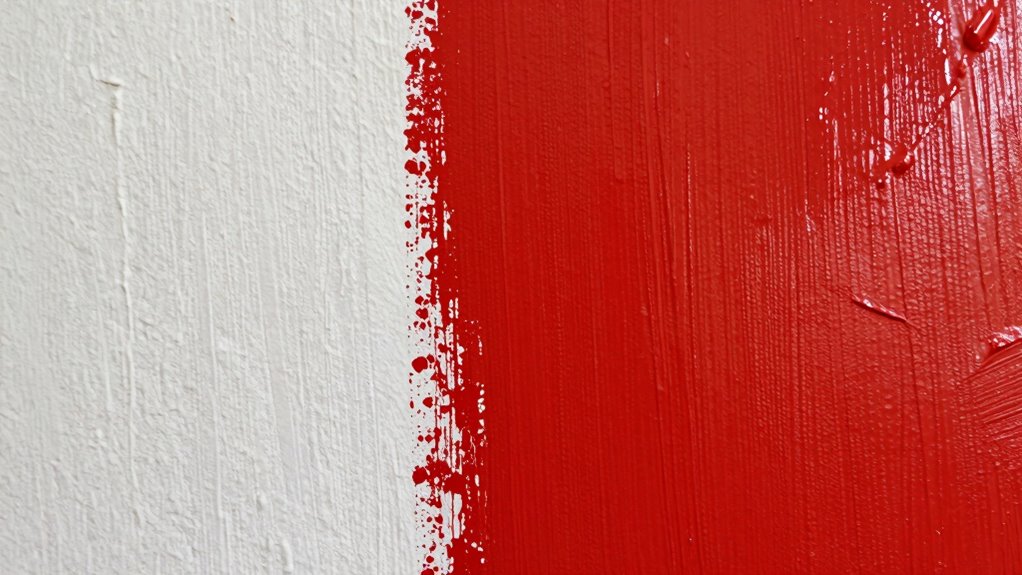
Paint color choices also influence how much paint you need. Lighter colors tend to cover existing walls more easily, often requiring fewer coats. But when you opt for darker or more vibrant shades, they usually demand multiple coats to achieve a true, rich color. This is where understanding your paint’s hiding power becomes essential. Some paints are formulated to cover better in fewer coats, saving you both time and money. If you choose a high-quality paint with good opacity, you might find yourself applying fewer coats overall. On the other hand, if you select a lower-quality or more transparent paint, you could end up doing double or even triple the work. It’s worth considering the color you’re switching from, too. Covering a bright red with white paint, for example, often requires a primer or multiple coats to prevent the old color from showing through. Additionally, surface porosity and texture can greatly impact how much paint is needed, so proper preparation is key to minimizing waste and coats.
Proper surface preparation not only ensures better adhesion but also reduces the number of coats necessary for a smooth, even finish. Skipping steps like cleaning, sanding, or priming can cause issues with paint adhesion, leading to uneven coverage and the need for extra coats. In addition to brush techniques and paint color choices, other factors like surface texture, porosity, and how you prepare your walls can influence coverage. Understanding and addressing these elements helps you avoid the common paint coverage myth: that one gallon equals a set amount of square footage regardless of how you apply or choose your paint. When you pay attention to your brush techniques and select your paint colors wisely, you’ll be able to minimize wasted coats and get a professional-looking finish with less paint.
As an affiliate, we earn on qualifying purchases.
Frequently Asked Questions
How Do I Determine the Right Amount of Paint for My Project?
To determine the right amount of paint, start by measuring your surface area accurately, factoring in details like color matching and texture. Use the paint can’s coverage info to estimate how many coats you’ll need for durability and a consistent finish. Don’t forget that quality paint often covers better, reducing the need for extra coats. Always buy a little extra for touch-ups and unforeseen needs.
Does Wall Texture Affect Paint Coverage?
Yes, wall texture affects paint coverage by creating surface variations that challenge even coats. Rough textures, popcorn ceilings, or heavily textured walls require more paint to achieve an even finish, as the paint fills in the crevices and peaks. Proper surface preparation, like cleaning and smoothing, helps the paint adhere better, but you should expect to use extra paint on textured surfaces to guarantee consistent coverage and a polished look.
Are Premium Paints Always More Economical?
Premium paints aren’t always more economical because their higher cost doesn’t guarantee better coverage or durability. You might need fewer coats with quality paint, saving you time and money in the long run. Plus, premium paints often offer better color matching and enhanced paint durability, which helps your walls look fresh longer. Consider your specific needs and compare brands to determine if the extra investment truly pays off for your project.
How Do Primer Coats Influence the Number of Paint Layers Needed?
Primer coats considerably influence the number of paint layers you need. Good primer adhesion guarantees the paint sticks well, reducing the chance of peeling or uneven coverage. Additionally, a quality primer controls paint absorption, preventing the surface from soaking up too much paint. When you properly prime, you’ll likely need fewer paint coats, saving you time and money while achieving a more even, durable finish.
Can Environmental Conditions Impact Paint Coverage?
Environmental conditions definitely impact paint coverage. Imagine trying to paint in a rainstorm—your paint won’t stick well, and you’ll need extra coats. Humidity, temperature, and wind can cause uneven drying or peeling. To combat this, select eco-friendly finishes and weather-resistant coatings, which perform better under challenging conditions. Planning your project around ideal weather ensures better coverage and a longer-lasting, beautiful finish.
brush with controlled application
As an affiliate, we earn on qualifying purchases.
As an affiliate, we earn on qualifying purchases.
Conclusion
So, next time you’re told you need multiple coats for perfect coverage, remember it might just be a myth designed to drain your wallet. Ironically, believing in this myth could lead you to buy more paint than necessary, wasting both money and effort. Instead, choose quality paint and proper technique — it’s the smarter, more efficient way to get the job done right the first time. Sometimes, the truth about coverage is closer than you think.
As an affiliate, we earn on qualifying purchases.
As an affiliate, we earn on qualifying purchases.
Halloween Picks
halloween
As an affiliate, we earn on qualifying purchases.