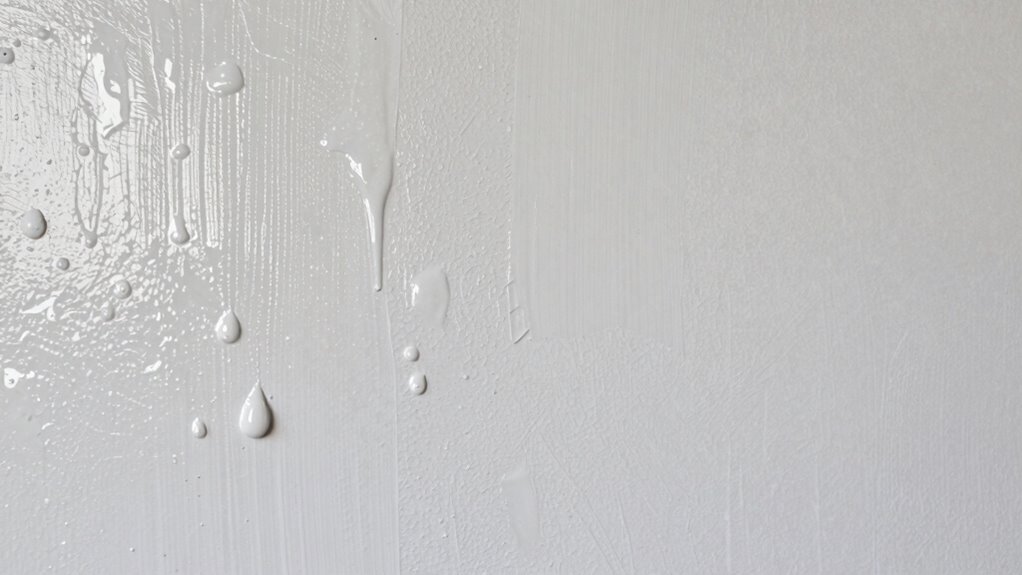

When you paint, drying happens quickly as the solvent evaporates, leaving a film behind. Hardening, on the other hand, is a slower chemical process where the paint develops strength through reactions like cross-linking. While drying is affected by weather conditions, hardening relies less on environment and more on time for the chemical bonds to form. Mastering both steps guarantees your finish is durable and long-lasting. Continue to explore for a deeper understanding of these essential differences.

Get furniture and decor delivered free — and shop member deals
- Fast, free delivery on millions of items
- Access to Prime Big Deal Days deals on October 6–7
- Prime Video, Amazon Music and more included
Key Takeaways
- Drying involves solvent evaporation, forming a film; hardening is a chemical process that develops the paint’s strength.
- Drying occurs rapidly within hours, while hardening can take days or weeks to complete.
- Drying is influenced by environmental conditions; hardening relies on chemical reactions less affected by surroundings.
- Proper drying leaves a film surface, whereas hardening ensures long-term durability and resistance.
- Managing both processes is essential for a quality, long-lasting paint finish.
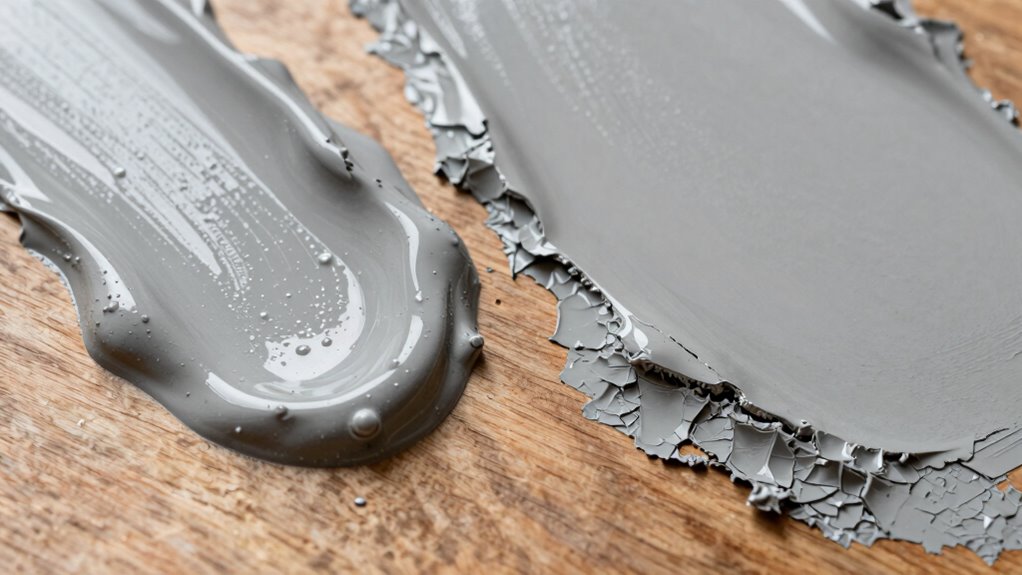
When you apply paint, understanding the difference between drying and hardening is essential for achieving a flawless finish. These processes are fundamental to successful paint application techniques, and grasping how they work can help you avoid common mistakes such as smudging, peeling, or uneven surfaces. Drying is the initial phase where the solvent or carrier in the paint evaporates, leaving behind a thin film of solid pigment and binder. This step typically occurs within a few hours but can vary depending on the type of paint, thickness, and environmental effects. Hardening, on the other hand, is a more gradual process where the paint film develops strength and durability through chemical reactions, such as cross-linking of polymers or curing. While drying is mostly about moisture loss, hardening involves the chemical setting that gives your painted surface its long-term resilience. Properly managing both phases ensures the longevity and quality of your paint job, especially in outdoor environments.
Drying removes solvents quickly, while hardening develops long-term strength through chemical reactions.
Environmental factors such as temperature, humidity, and wind play significant roles in both phases. High temperatures can speed up drying, but they might cause the paint to dry too quickly, leading to issues like cracking or uneven texture. Conversely, high humidity slows down drying because moisture in the air makes it harder for solvents to evaporate, which can extend the overall drying time and increase the risk of surface imperfections like sags or runs. Wind can also accelerate drying, but it may carry dust or debris onto your freshly painted surface, ruining the smooth finish you’re aiming for. Knowing how these environmental effects impact the drying phase helps you plan your work schedule and select ideal conditions for painting. Being aware of environmental effects can help you optimize your painting process for the best results. Additionally, managing these factors carefully can prevent premature curing issues that compromise the final appearance. Proper ventilation can also play a role in controlling these conditions during drying.
Hardening takes longer and is more sensitive to environmental conditions because it involves chemical transformations that are less affected by temperature or humidity. During this phase, the paint film gains strength and flexibility, making it resistant to scratches, chipping, and environmental damage over time. If you rush through drying without allowing enough time for hardening, your surface won’t develop the full strength it needs, and the paint might peel or crack later. To guarantee complete hardening, you should avoid exposing the painted surface to extreme weather, moisture, or physical stress during the curing period. It’s also a good idea to follow manufacturer recommendations regarding drying and hardening times, as these are tailored to enhance the paint’s performance based on specific formulations and environmental conditions. Proper chemical reactions are crucial to forming a durable and resilient coating, which underscores the importance of patience during the curing process. Additionally, understanding the long-term effects of proper hardening can help you maintain your painted surfaces over time.
high durability interior wall paint
As an affiliate, we earn on qualifying purchases.
As an affiliate, we earn on qualifying purchases.
Frequently Asked Questions
How Long Does Paint Typically Take to Fully Dry and Harden?
Paint usually takes about 24 hours to dry completely, but it can take longer to harden fully. You might notice the paint smell lingering during this time, especially if the drying temperature is low. To speed up drying and hardening, guarantee proper ventilation and maintain a warm, consistent temperature. Remember, patience pays off for a durable finish, so avoid touching or applying additional coats too soon.
Can Paint Dry Without Hardening in Certain Conditions?
Yes, paint can dry without hardening in certain conditions. When exposed to high humidity or low temperatures, surface evaporation occurs quickly, making the paint feel dry. However, without adequate chemical reactions, the paint doesn’t develop the necessary internal bonds, meaning it hasn’t truly hardened. So, while it may look dry, it might still be soft or easily damaged until complete curing occurs through proper chemical processes.
What Types of Paint Dry Faster Than Others?
You’ll notice that water-based paints dry faster than oil-based ones—sometimes in as little as 30 minutes, compared to several hours for oil paints. Fast-drying paints often maintain better color consistency and show less texture variation early on. This quick drying helps you avoid smudges and uneven finishes, making them ideal for projects where speed and a smooth surface matter.
Does Environmental Humidity Affect Drying and Hardening Times?
Environmental humidity definitely impacts both paint drying and hardening times. High humidity slows down the evaporation of solvents, leading to longer drying times and moisture effects that can cause uneven finishes. Conversely, low humidity speeds up drying but may cause paint to crack or peel if it dries too quickly. You should monitor humidity levels closely to guarantee ideal conditions for proper paint drying and hardening.
Are There Specific Paints Designed to Dry Quickly but Harden Slowly?
Yes, some paints are engineered to dry quickly but harden slowly, like a sprinter with marathon stamina. These paints leverage specialized paint chemistry and unique drying mechanisms, allowing surface layers to set fast while the inner layers take longer to fully cure. This design gives you the advantage of quick handling but lasting durability, perfect for projects demanding rapid completion without sacrificing long-term strength.
outdoor weather-resistant exterior paint
As an affiliate, we earn on qualifying purchases.
As an affiliate, we earn on qualifying purchases.
Conclusion
Understanding the difference between paint drying and hardening is like knowing the dance between day and night. Drying is your paint’s quick, fleeting bow, while hardening is its steadfast promise, solidifying over time. By grasping these nuances, you become the artist of patience, guiding your masterpiece to stand resilient and radiant. Remember, your patience transforms a simple coat into a timeless work of art—where surface and soul finally unite in harmony.
As an affiliate, we earn on qualifying purchases.
chemical curing paint for furniture
As an affiliate, we earn on qualifying purchases.
As an affiliate, we earn on qualifying purchases.
Fall Picks
fall essentials
As an affiliate, we earn on qualifying purchases.