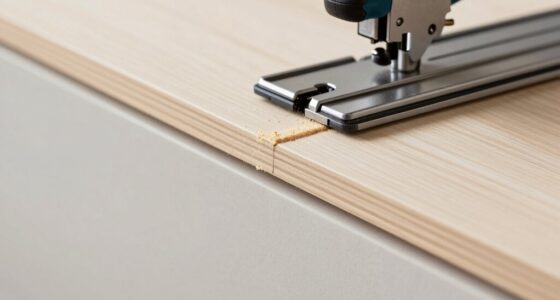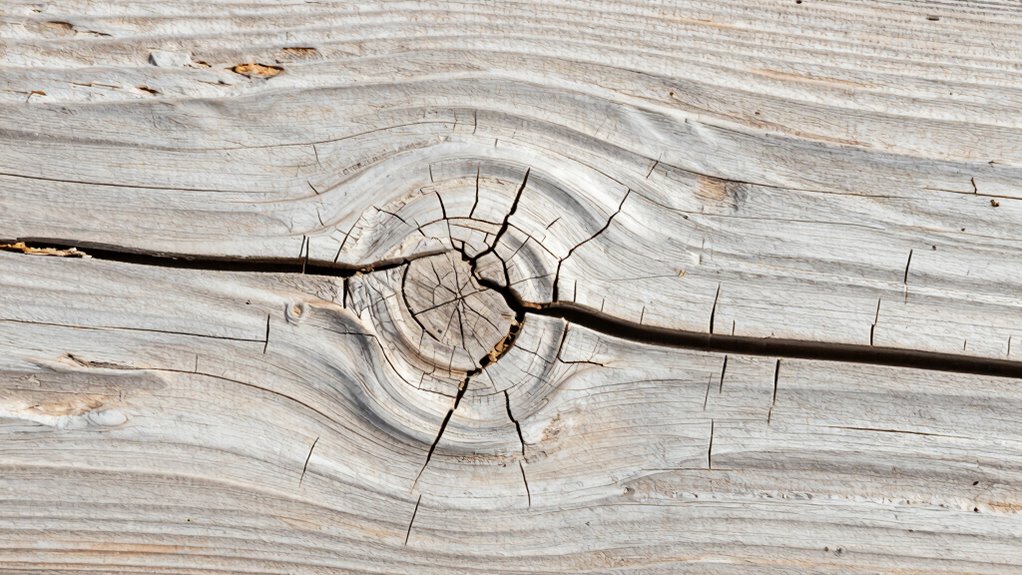

If you notice small, regularly spaced cracks on your walls or pavement that change with the seasons, it likely indicates natural soil movement caused by moisture fluctuations. These cracks tend to widen during rainy or humid periods when soil expands and narrow or close during dry spells when the soil contracts. Recognizing these patterns helps you distinguish between natural cycles and structural damage. Staying aware of these signs can help you plan proper maintenance—you’ll discover more about these patterns as you explore further.

Get furniture and decor delivered free with Prime
- Fast, free delivery on millions of items
- Prime Video, Amazon Music and more included
- Member-only deals all year
Key Takeaways
- Small, regularly spaced cracks that appear during specific seasons indicate natural soil expansion and contraction cycles.
- Cracks that widen during wet seasons and narrow or close in dry seasons reflect seasonal soil moisture changes.
- Repetitive crack patterns over time suggest routine soil movement rather than structural damage.
- The timing and pattern of crack development align with climatic shifts, such as rainy or dry periods.
- Consistent seasonal crack patterns help differentiate natural soil movement from potential structural issues.
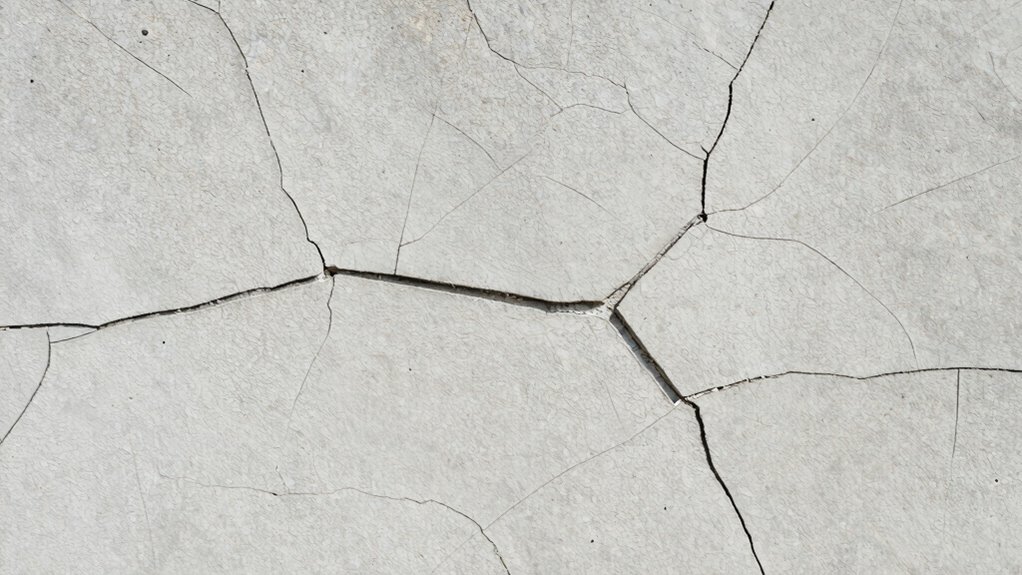
Have you ever noticed tiny cracks forming on surfaces like walls or pavement? These small cracks often seem insignificant at first, but they can tell you a lot about what’s happening beneath the surface. They’re usually a sign of seasonal movement driven by soil expansion and contraction, which is heavily influenced by climate. When the weather shifts between hot and cold, or wet and dry, the ground underneath expands and shrinks, causing the surfaces above to crack in predictable patterns. Recognizing these cracks can help you understand how environmental factors are affecting your property.
Soil expansion occurs when moisture levels increase in the ground. During rainy seasons or periods of high humidity, water seeps into the soil, making it swell. This expansion pushes upward on the pavement or walls, creating tension that leads to tiny cracks. Conversely, during dry spells, the soil loses moisture and shrinks. This shrinkage pulls away from the foundations and surfaces, often resulting in cracks that appear to widen or change shape over time. These movements are natural and cyclical, directly tied to the climate influence on soil moisture levels. Understanding soil behavior is essential to differentiating natural movement from potential structural damage. Additionally, proper understanding of climate impact on soil can help in planning preventative measures for your property. Recognizing that these cracks are part of seasonal movement can help you distinguish between natural soil behavior and structural problems. Small, regularly spaced cracks often indicate that the ground is experiencing the typical expansion and contraction cycle, rather than serious damage to the structure itself. If you notice the cracks appear during certain seasons and seem to widen or reappear predictably, it’s likely due to soil movement caused by climate influence. This is especially common in regions with marked seasonal changes, where soil moisture content varies considerably throughout the year.
You can also observe how these patterns develop over time. During wet seasons, the cracks might become more prominent as the soil swells and pushes upward, forcing surfaces to crack. When the dry season arrives, the cracks might close slightly or remain visible as the soil contracts. This cycle can repeat annually, giving you clues about the underlying soil behavior and the importance of proper drainage and moisture control. By paying close attention to these small crack patterns, you can better anticipate potential issues and take steps to mitigate damage caused by seasonal soil movement. Incorporating moisture control techniques can be highly effective in reducing the impact of these natural cycles.
In essence, these tiny cracks are nature’s subtle indicators of the ongoing dance between soil expansion, contraction, and climate influence. Recognizing their pattern helps you understand the natural seasonal movement beneath your structures, allowing you to make informed decisions about maintenance and preventive measures. Observing soil moisture levels can further aid in predicting when such movements are likely to occur and how to address them proactively.
soil moisture meter for property
As an affiliate, we earn on qualifying purchases.
As an affiliate, we earn on qualifying purchases.
Frequently Asked Questions
How Can I Prevent Small Cracks From Forming?
To prevent small cracks from forming, you should control moisture levels and accommodate material expansion. Keep the area consistently dry and avoid rapid drying or excess water exposure. Use proper sealing and waterproofing techniques to limit moisture infiltration. Additionally, choose materials that can expand and contract with temperature changes, and install control joints where necessary. Regular maintenance and monitoring help you detect early signs of movement, reducing the risk of cracks.
Are These Cracks Harmful to the Structure?
Did you know that about 90% of small cracks are harmless, but some can threaten your foundation stability? These cracks, especially if they widen or multiply, can compromise your home’s integrity and affect its aesthetic appeal. While many are just seasonal, you should monitor them closely. If cracks grow or appear suddenly, consult a professional. Early detection helps prevent minor issues from turning into costly repairs.
What Tools Are Best for Inspecting Crack Patterns?
For inspecting crack patterns, you should use inspection techniques like crack pattern analysis and magnifying tools like a flashlight or a magnifying glass. A crack gauge or ruler helps measure the width and growth of cracks over time. You might also consider using a camera or smartphone to document the patterns for comparison later. These methods allow you to assess whether cracks are harmless or indicate structural issues needing professional attention.
How Long Does Seasonal Crack Movement Typically Last?
A stitch in time saves nine, and seasonal crack movement usually lasts from a few weeks to several months, depending on climate and material stability. During this period, seasonal expansion causes cracks to appear and close as temperatures fluctuate. Cracking stability varies with environmental conditions and construction quality, so monitoring these movements helps prevent further damage. Stay vigilant, and you’ll better understand when seasonal shifts are likely to occur.
Can Weather Changes Reverse or Worsen These Cracks?
Weather changes can definitely influence these cracks, either reversing or worsening them, depending on the climate impact. Warmer temperatures may cause expansion, making cracks worse, while cooler weather can sometimes reduce their appearance. To prevent further damage, you should consider crack repair promptly, especially before extreme weather hits. Regularly monitoring and addressing cracks helps maintain your structure’s integrity through seasonal shifts and climate variations.
As an affiliate, we earn on qualifying purchases.
Conclusion
Next time you see small cracks in a surface, remember they tell a story of seasonal movement. These tiny patterns reveal how the ground shifts with temperature and moisture changes. Curiously, studies show that in some regions, ground movement can cause cracks to grow by up to 2 millimeters annually. So, next time you notice a crack, you’re actually witnessing nature’s subtle dance—an ongoing, fascinating cycle of change that shapes our environment in ways you might not have realized.
As an affiliate, we earn on qualifying purchases.
foundation crack monitoring tools
As an affiliate, we earn on qualifying purchases.
As an affiliate, we earn on qualifying purchases.
Columbus Day / Indigenous Peoples' Day Picks
long weekend sales
As an affiliate, we earn on qualifying purchases.