
The best time to judge wall color accurately is during early morning or late afternoon when natural light is most balanced. During these periods, your eyes see true color hues without harsh shadows or overly warm or cool tones. Morning light tends to be cooler, while late afternoon offers warmer, golden tones. By observing in these times, you’ll get a clearer idea of what the color truly looks like in different conditions. Keep exploring to learn more about perfecting your color decisions.
Key Takeaways
- The early morning and late afternoon are ideal for assessing wall color, as natural light is most consistent then.
- Midday light provides the most balanced illumination, reducing color distortions caused by shadows or uneven lighting.
- Morning light tends to be cooler and can make colors appear bluish or subdued, affecting your perception.
- Evening sunlight enhances warm, golden undertones, giving a different impression of the wall color.
- Observing colors during these optimal times helps ensure accurate color selection across various lighting conditions.

Natural light plays a vital role in how you perceive color because it interacts directly with the pigments on your walls. It reveals subtle undertones and nuances that artificial light often masks or exaggerates. For instance, a shade that looks perfect during midday might appear dull or overly vibrant in morning or evening light. By judging wall color during the times when natural light is most balanced, you get a more accurate understanding of how the color will appear throughout the day. Additionally, understanding natural light’s impact on color perception can help you make more confident choices.
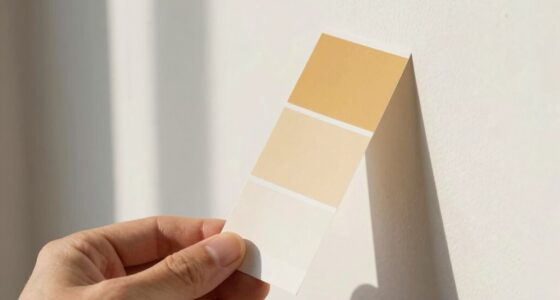
As you evaluate paint swatches or finished walls, pay attention to how the light changes the perception of the color. During early morning, cooler light can make certain tones appear more subdued or bluish, while late afternoon sunlight can bring out warmer, golden undertones. This variability is why it’s essential to observe your walls in different lighting conditions, but focusing your initial assessment during the early morning or late afternoon offers the clearest, most consistent view. It helps you avoid the common mistake of choosing a color that looks perfect in one lighting scenario but falls flat in another. Recognizing the timing of natural light can significantly improve your ability to select the right hue for your space.
As an affiliate, we earn on qualifying purchases.
Frequently Asked Questions
How Does Natural Light Influence Wall Color Perception?
Natural light profoundly influences how you perceive wall color because it varies throughout the day. During daylight, colors appear more vibrant and true, but artificial lighting can distort this perception. To maintain color stability, you should compare your wall color under different lighting conditions, especially natural light, and avoid judging colors solely based on artificial lighting. This approach helps you choose a shade that looks consistent in various settings.
Should I Use Artificial Lighting for Color Judgment?
Using artificial lighting isn’t ideal for judging wall color because it can distort your perception and affect color consistency. It’s better to rely on natural light when possible, as it provides the truest view of how the color will look in everyday settings. If you must use artificial lighting, choose bulbs that mimic natural daylight and view the color from different angles to guarantee accuracy.
Does Wall Texture Affect Color Accuracy?
Texture variations and paint sheen can influence how you perceive wall color. When walls have uneven textures or different sheens, they reflect light differently, making colors appear inconsistent. So, yes, wall texture does affect color accuracy. To get the truest sense of your chosen shade, examine it under natural light and in areas with uniform texture and sheen. This way, you’ll see the color as it truly is.
How Long Should I Wait After Painting Before Judging Color?
You should wait at least 24 to 48 hours after painting before judging your wall color. During this time, the paint dries and color saturation stabilizes, giving you a true sense of how it looks once fully cured. Rushing this process can lead to misjudging the color, as wet paint often appears brighter or different. Patience guarantees you see the most accurate representation of your wall’s true color.
Are There Specific Times to Avoid When Evaluating Wall Color?
You should avoid judging wall color during times with poor lighting conditions or fluctuating room temperature. Bright, natural light is ideal, so steer clear of evenings or overcast days. Also, don’t evaluate when the room temperature is too hot or cold, as it can alter how colors appear. Instead, wait for consistent lighting—preferably midday sunlight—and stable room temperature to get the most accurate view of your wall color.
As an affiliate, we earn on qualifying purchases.
Conclusion
Remember, the perfect wall color isn’t just a dream—it’s within your reach if you choose the right time of day. By checking your walls in the late afternoon, you harness the magic of natural light to reveal true shades and subtle undertones. Don’t let poor lighting turn your dream space into a color catastrophe. Trust me, once you see your walls glow under the golden hour, you’ll be convinced it’s the most powerful moment of the day for color judgment!
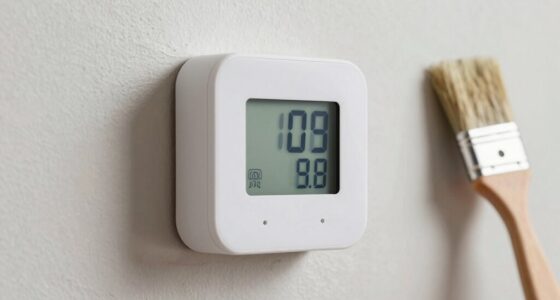
wall color evaluation light meter
As an affiliate, we earn on qualifying purchases.
As an affiliate, we earn on qualifying purchases.
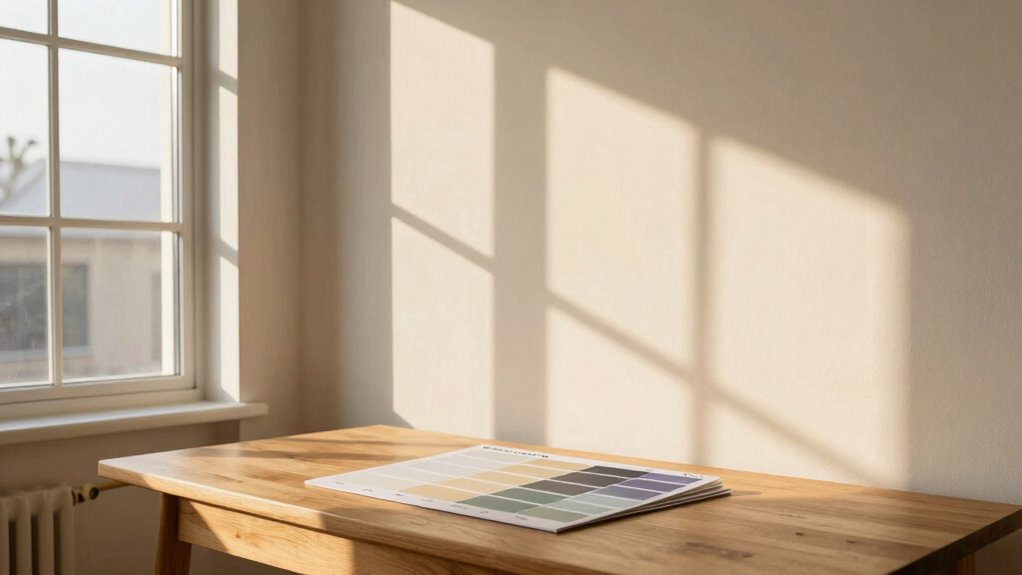
artificial vs natural light color comparison
As an affiliate, we earn on qualifying purchases.
As an affiliate, we earn on qualifying purchases.