
TL;DR

Get furniture and decor delivered free with Prime
- Fast, free delivery on millions of items
- Prime Video, Amazon Music and more included
- Member-only deals all year
Dalí’s rare tarot deck, created in the 1970s but previously unreleased, is now available to the public. The deck combines surrealism with traditional symbolism, highlighting Dalí’s unique artistic perspective. This release offers insight into his fascination with mysticism and enhances understanding of his broader artistic legacy.
Salvador Dalí’s long-hidden tarot deck from the 1970s has been officially released in 2026, offering a rare glimpse into the surrealist artist’s engagement with mysticism and symbolism. The deck, which Dalí designed independently after initial commissions fell through, is now accessible to collectors and art enthusiasts worldwide. This development matters because it deepens the understanding of Dalí’s artistic exploration beyond his well-known paintings and sculptures, revealing his fascination with esoteric themes and personal iconography.
The tarot deck, created by Salvador Dalí in the 1970s, was initially commissioned by producer Albert Broccoli for the James Bond film Live and Let Die. Dalí, inspired by his wife Gala’s interest in mysticism, began designing the deck but continued working on it independently after the project was canceled. The deck was first published in a limited edition in 1984 and has since been reissued by publishers such as TASCHEN. It features 78 cards, each illustrating Dalí’s distinctive surrealist style, incorporating motifs like roses, flies, and bulls’ heads, which recur throughout his oeuvre. An introductory booklet accompanies the deck, describing it as an artistic transformation of ancient symbolism into visually captivating plates, signed by Dalí himself.
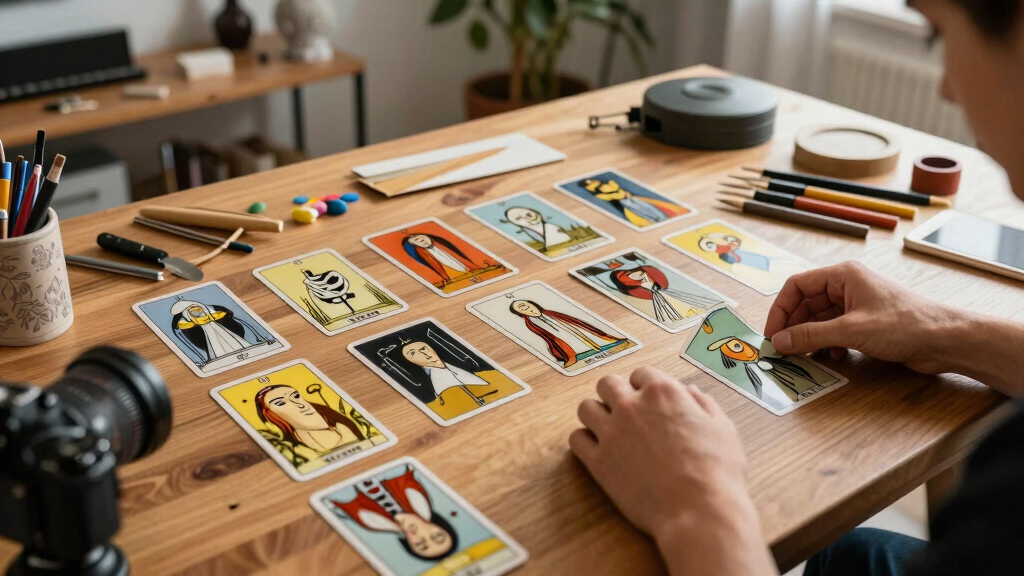
The deck’s visual style is a pastiche of old-world art, Christian iconography, and classical sculpture, blending surrealism with traditional archetypes. Dalí’s own face appears on the Magician card, exemplifying his characteristic self-promotion. The release of this deck in 2026 marks the first time it is widely available, with various editions now on sale, including more affordable versions. The deck’s publication has reignited interest in Dalí’s engagement with mystical and esoteric themes, long speculated upon by art historians and collectors.
Why It Matters
This release is significant because it offers a new perspective on Salvador Dalí’s artistic universe, illustrating his fascination with mysticism, symbolism, and the subconscious. The deck’s surreal imagery provides insight into how Dalí integrated esoteric themes into his broader body of work, influencing both art and popular culture. It also underscores the enduring appeal of tarot as a bridge between art, psychology, and spirituality, with Dalí’s interpretations adding a unique, artistic dimension to traditional tarot symbolism. For collectors and scholars, the deck represents a rare convergence of high art and mystic tradition, expanding Dalí’s legacy into new realms.
Products Worth Considering

Ring Battery Doorbell (2nd Gen), Indoor Cam Plus, and Chime (3rd Gen) Bundle

Dyson Ball Animal 3 Extra Upright Vacuum

Philips Hue Festavia Globe Outdoor String Lights, 32 Bulbs, 91 ft
As an affiliate, we earn on qualifying purchases.
Background
Dalí’s engagement with mysticism and symbolism was evident throughout his career, notably in works like Alice in Wonderland (1969). The tarot deck was conceived during a period when occult interests surged in popular culture, particularly in the 1970s, but remained private until its recent release. Originally commissioned for a James Bond film project, Dalí’s involvement with tarot reflects his broader fascination with the subconscious, dreams, and archetypal imagery. The limited edition publication in 1984 made the deck a coveted collector’s item, but it was not widely accessible until now. This development aligns with a renewed cultural interest in mystical arts and surrealist heritage in contemporary art circles.
Prior to this release, Dalí’s tarot deck was known mainly through reproductions and references in art literature. The official publication in 2026 makes it possible for a broader audience to engage directly with Dalí’s personal interpretation of tarot symbolism, blending his surrealist aesthetic with esoteric tradition.
“This release allows the public to experience Dalí’s mystical and artistic vision through his own hand, revealing a profound and personal engagement with the symbolism of tarot.”
— Dalí estate spokesperson
“Dalí’s tarot deck is a reserve, almost humbling, showing his reverence for the tradition while infusing it with his unmistakable surrealist sensibility.”
— Art historian Lisa Rainwater
What Remains Unclear
It is not yet clear how Dalí’s tarot deck will influence contemporary tarot practices or how it will be received by the broader public and collectors. Additionally, the full extent of Dalí’s personal involvement in the design process remains somewhat ambiguous, as some details about his creative process are still emerging.
What’s Next
The official release has prompted exhibitions and auctions of Dalí’s tarot deck, with further scholarly analysis expected to explore its symbolism and influence. Future reprints and editions are anticipated, alongside potential multimedia projects exploring Dalí’s mystical interests. The next steps include assessing its impact on both art history and contemporary tarot culture, as well as further research into Dalí’s engagement with esoteric themes.
Key Questions
When was Dalí’s tarot deck created?
Dalí’s tarot deck was created in the 1970s but was not published until 1984. It has now been officially released in 2026.
How many cards are in the deck?
The deck contains 78 cards, following the traditional tarot structure, each illustrated with Dalí’s surrealist imagery.
What is unique about Dalí’s tarot deck?
Dalí’s deck features a distinctive surrealist style, incorporating motifs like roses, flies, and bulls’ heads, with some cards, such as the Magician, featuring Dalí himself.
Where can I purchase the deck?
The deck is available through various publishers, including TASCHEN, with options for limited editions and more affordable versions.