TL;DR
MRTN Architects has completed an extension to a Melbourne residence, adding a series of red-brick volumes that enhance the home’s architecture. The project emphasizes materiality and spatial complexity, marking a notable development in residential design.
Melbourne-based MRTN Architects has completed an extension to an existing home, introducing a cluster of red-brick volumes that significantly alter the building’s silhouette and spatial configuration. This development highlights the firm’s approach to blending contemporary architecture with traditional materials, and it is now open for public viewing.

Get furniture and decor delivered free with Prime
- Fast, free delivery on millions of items
- Prime Video, Amazon Music and more included
- Member-only deals all year
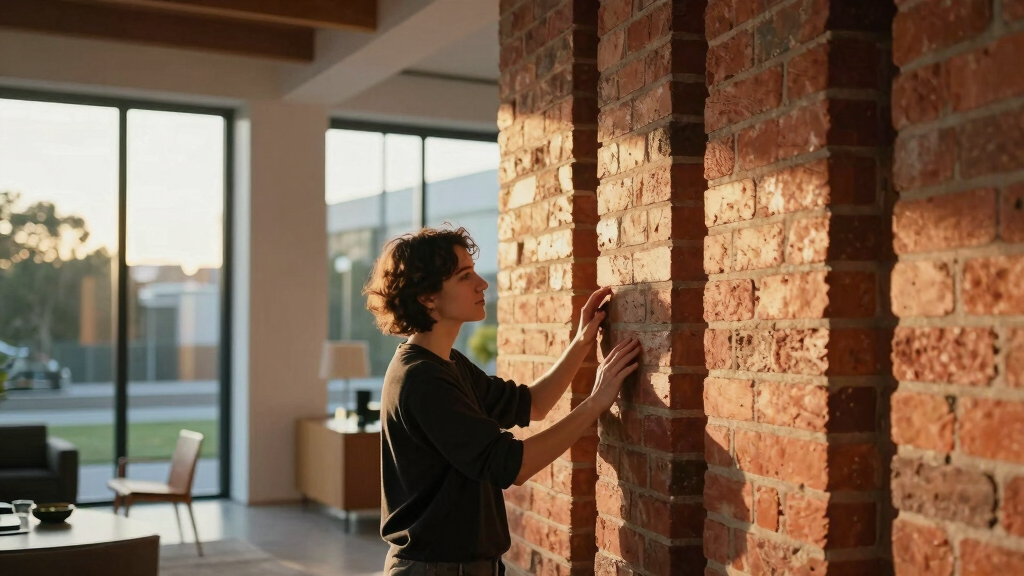
The project involves adding multiple interconnected brick volumes to an existing residence, creating a layered and textured facade. The extension emphasizes materiality, with the red-brick forms contrasting against the original structure. MRTN Architects aimed to craft a design that enhances spatial complexity while maintaining harmony with the surrounding environment.
The design includes variations in volume size and orientation, resulting in a dynamic composition that offers new interior experiences. The project was completed in early 2026 and has received attention for its innovative use of traditional brickwork in a modern residential context.
Architectural Innovation in Residential Extensions
This project demonstrates how contemporary architects can reinterpret traditional materials like brick to create visually compelling and functional residential extensions. It highlights a trend toward material honesty and spatial complexity in suburban architecture, potentially influencing future residential design in Melbourne and beyond.
Products Worth Considering

Sonos Roam (Gen 1) Portable Smart Speaker, White

Roborock Q7 M5+ Robot Vacuum and Mop with Self-Emptying Dock

Sony BRAVIA 5 85-Inch Mini LED 4K HDR Smart Google TV (K-85XR50)
As an affiliate, we earn on qualifying purchases.
Melbourne Residential Extensions and Material Trends
Over recent years, Melbourne has seen a surge in residential extensions that emphasize materiality and spatial differentiation. MRTN Architects has previously explored integrating traditional materials with modern forms, and this project continues that trajectory. The use of brick, a historically common material, is now being reimagined to create bold, sculptural forms that respond to contemporary aesthetic and functional demands.
“The use of red-brick volumes in this project showcases a thoughtful dialogue between tradition and innovation.”
— an anonymous researcher
Details on Construction and Material Choices Still Emerging
While the overall design and concept are confirmed, specific details about the construction process, material sourcing, and internal spatial arrangements remain undisclosed. It is also unclear how the project addresses sustainability or local planning requirements.
Public Viewing and Future Projects in Melbourne
The completed extension is expected to be showcased in upcoming architectural tours and publications. MRTN Architects may also undertake further projects in Melbourne that explore similar material and spatial strategies, but no official announcements have been made.
Key Questions
What is the main feature of the new extension?
The extension features a cluster of interconnected red-brick volumes that add spatial complexity and visual interest to the existing home.
Why did MRTN Architects choose red brick for this project?
The use of red brick emphasizes material honesty and creates a dialogue between traditional craftsmanship and contemporary design.
When was the project completed?
The project was completed in early 2026 and is now publicly accessible for viewing and critique.
How does this project influence Melbourne’s residential architecture?
It demonstrates innovative uses of traditional materials to achieve modern spatial and aesthetic outcomes, potentially inspiring similar projects in the region.
Are there sustainability features incorporated into the extension?
Details about sustainability measures have not been publicly disclosed, and it is not yet clear how environmental considerations were integrated into the design or construction process.
Source: Dezeen