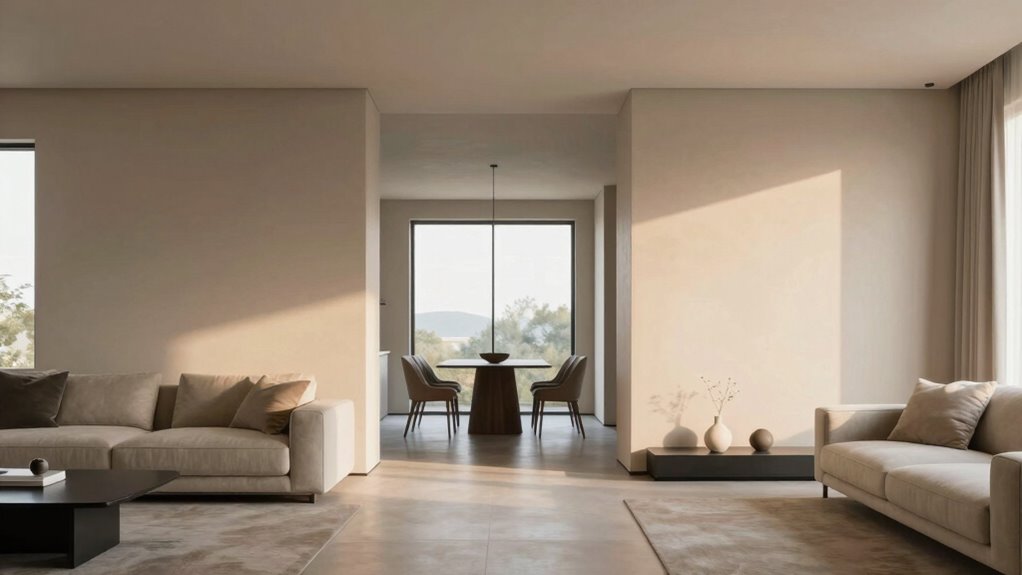
Often, paint near baseboards appears heavier due to lighting and shadow effects that influence perception, but there’s more to discover about this visual trick.
Browsing Category
Wall Science & Finish Planning
89 posts
How to Prep Previously Glossy Walls the Right Way
No matter the finish, proper prep ensures flawless results—learn the essential steps to transform glossy walls into a perfect canvas for paint.
The Small Crack Pattern That Suggests Seasonal Movement
Irritating small cracks that shift with seasons may indicate natural soil movement, but understanding these patterns can help prevent potential damage—discover more.
Why Sanding Sponges Beat Paper in Tight Wall Areas
A sanding sponge’s flexibility and control make it ideal for tight wall areas, and you’ll want to learn how their features improve your sanding experience.
This Wall Repair Sequence Makes Patches Disappear Better
Discover the wall repair sequence that ensures patches blend seamlessly, leaving you wondering what trick makes them disappear so convincingly.
Why Matte Paint in Hallways Gets Tired Fast
Fading, scuffs, and dirt buildup make matte paint in hallways look tired quickly, but understanding how to maintain it can help preserve its appearance.
The Best Time of Day to Judge Wall Color Accurately
Measuring wall color accuracy depends on the time of day, especially during these periods when natural light reveals true hues—discover why timing matters.
How to Avoid Lap Marks on Large Open Walls
Finding ways to avoid lap marks on large walls ensures a flawless finish—discover essential tips to master your painting technique.
The Best Color Temperature for Warm-Toned Rooms and Artwork
To best enhance warm-toned rooms and artwork, opt for a color temperature…
Why Painter’s Tape Can Pull Off More Than Paint
Guidelines for choosing and removing painter’s tape can prevent surface damage and ensure a clean finish—discover how to protect your surfaces effectively.