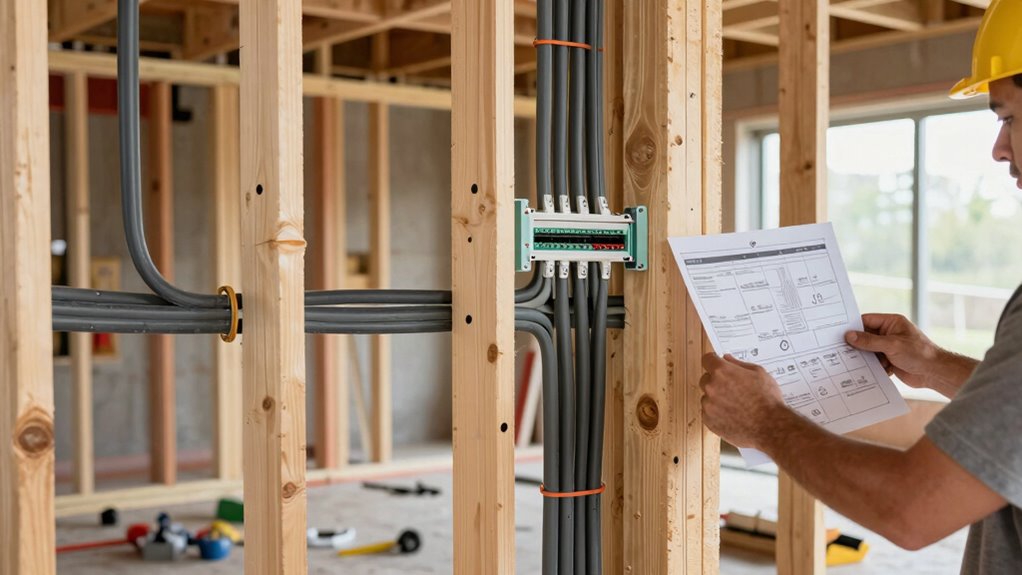

Planning your in-wall cables before finishing the walls saves you time and money by preventing costly retrofits later. It allows you to carefully place outlets, switches, and data ports, making sure cables stay hidden and functional. Proper planning also ensures safe, code-compliant routing, reducing safety risks. Avoiding surprises during drywall installation makes the whole project smoother and more organized. Keep going to discover more tips on setting up a clean, efficient cable system from the start.
Prime for Young Adults — start your free trial
Fast free delivery, streaming and member deals for eligible 18–24 year olds.
As an affiliate, we earn on qualifying purchases.
Key Takeaways
- In-wall cable routing is easier and less costly before drywall installation, preventing the need for major modifications later.
- Early planning ensures proper placement of outlets, switches, and data ports, avoiding aesthetic and safety issues.
- Pre-construction cable planning allows for future-proofing and additional outlets without damaging finished walls.
- Proper routing and management reduce the risk of cable damage and simplify future upgrades or repairs.
- Following safety standards and using the right tools during initial planning minimizes hazards and ensures compliance.
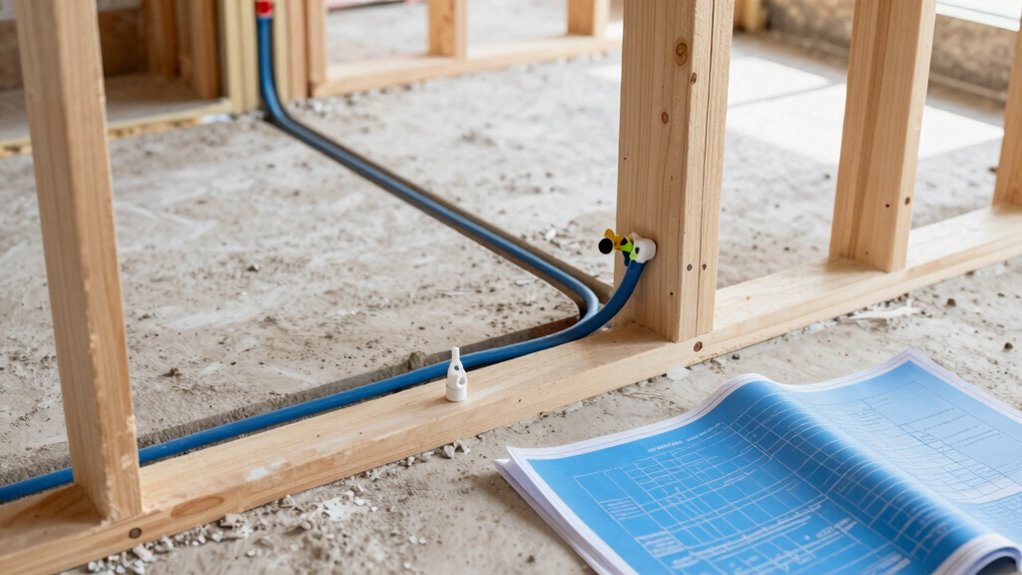
Before you finish your walls, it’s essential to plan your in-wall cable placement carefully. Once the drywall is up, making changes becomes complicated and costly. Proper planning ensures that your cables, whether for internet, TV, or sound systems, are hidden neatly and function efficiently. When considering cable management, it’s smart to think about the placement of outlets, switches, and data ports early on. This proactive approach helps prevent the need for intrusive modifications later, which can be disruptive and expensive. Cable routing and placement should be considered carefully at this stage to avoid awkwardly running cables after the walls are finished, which can compromise the aesthetic and safety of your space.
In-wall cable planning isn’t just about hiding wires; it’s also about future-proofing your setup. Technology evolves quickly, so leaving room for upgrades is smart. You might want to install additional outlets or data ports later, and doing this during initial construction saves you from tearing into finished walls again. Plus, planning helps you avoid clutter and tangled cords, creating a cleaner, more organized environment. If you neglect this step, you might end up with unsightly cables running along baseboards or through furniture, which can be both a visual distraction and a tripping hazard. Considering the long-term benefits of proper cable placement can save you significant time and money down the line.
Taking the time to plan your cable routes also makes your overall cable management easier. When you know where your outlets and data points will be, you can run cables neatly behind walls, avoiding unnecessary bends and kinks. This not only improves the longevity of your cables but also makes future upgrades or repairs simpler. Remember, once drywall is installed, retrofitting cables can be a hassle, so detailed planning at this stage saves time, money, and frustration later on. Additionally, understanding cable management best practices ensures a more professional and streamlined installation. Incorporating tools designed for in-wall wiring can further facilitate a clean and efficient setup, ensuring safety and ease of access. Proper planning also involves understanding building codes and safety standards to prevent potential hazards.
As an affiliate, we earn on qualifying purchases.
Frequently Asked Questions
How Early Should I Start Planning In-Wall Cable Routes?
You should start planning in-wall cable routes early, ideally during the initial framing stage. This allows you to determine the best cable concealment strategies and power outlet placement before drywall installation. By planning early, you make certain your cables are hidden neatly and outlets are conveniently located, preventing costly adjustments later. Taking action early helps streamline the installation process and guarantees a clean, professional look for your finished walls.
What Tools Are Best for In-Wall Cable Planning?
You should use tools like cable management software, stud finders, and conduit selection guides for in-wall cable planning. These tools help you visualize routes, identify obstructions, and choose the right conduit size. Proper planning guarantees safety, efficiency, and easy future upgrades. By focusing on cable management and conduit selection, you create a seamless system that minimizes issues, simplifies installation, and guarantees your in-wall wiring remains organized and accessible.
Can In-Wall Cable Planning Be Adjusted After Drywall Installation?
Yes, in-wall cable planning can be adjusted after drywall installation, but it’s more challenging. You might consider wireless alternatives to reduce the need for in-wall wiring or explore retrofit options, like installing surface-mounted conduit or raceways. These solutions allow you to adapt your setup without tearing into finished walls, providing flexibility for changes or upgrades while minimizing damage and maintaining a clean appearance.
How Does In-Wall Cable Planning Impact Future Renovations?
Imagine a future renovation, where walls come apart like peeling back layers of a story. Your in-wall cable planning shapes this story, making future updates smoother. It impacts your options—whether you opt for wireless alternatives or want to preserve aesthetics—by ensuring your wiring is flexible and accessible. Proper planning now prevents costly, disruptive changes later, keeping your space adaptable and stylish for years to come.
Are There Building Code Considerations for In-Wall Wiring?
Yes, building code considerations are essential for in-wall wiring. You need to follow insulation requirements to prevent heat buildup and guarantee proper fire safety regulations are met. Using approved cables and installing them at correct depths helps avoid fire hazards and complies with local codes. Planning your wiring thoroughly before finishing walls ensures safety, code compliance, and easier future renovations, ultimately protecting your home and its occupants.
electrical outlet box with USB ports
As an affiliate, we earn on qualifying purchases.
As an affiliate, we earn on qualifying purchases.
Conclusion
Remember, “A stitch in time saves nine.” Planning your in-wall cables before finishing your walls might seem like extra work now, but it saves you from costly rewiring later. Taking the time to map out your cables guarantees a cleaner look, better functionality, and fewer surprises down the road. Don’t wait until it’s too late—think ahead, plan smart, and enjoy a seamless finish that works perfectly with your setup from the start.
As an affiliate, we earn on qualifying purchases.
As an affiliate, we earn on qualifying purchases.
Fall yard work Picks
leaf blowers
As an affiliate, we earn on qualifying purchases.