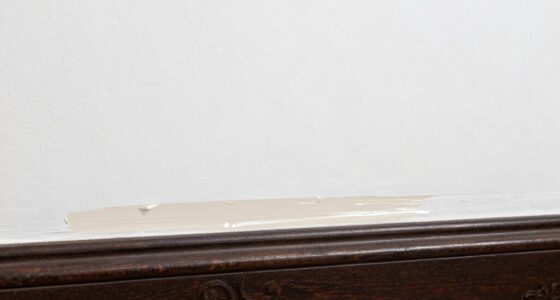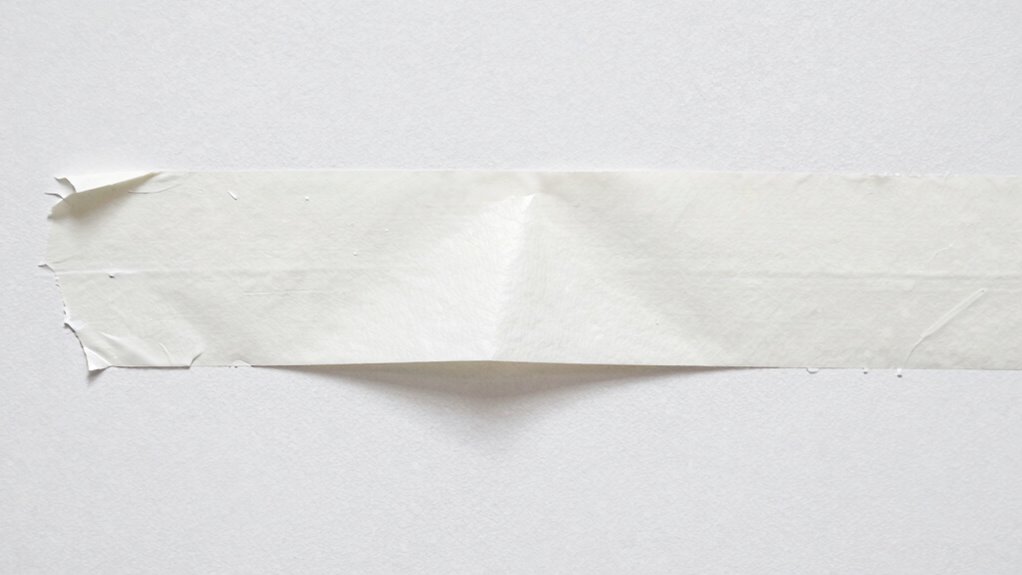

If your fresh paint peels when removing tape, it’s likely because the surface wasn’t properly prepared or the paint didn’t fully dry or cure first. Dust, grease, or residues can prevent proper adhesion, and rushing the process only makes things worse. Using low-quality tape or pulling it off too quickly can also cause paint to lift. To avoid this, make certain thorough surface prep and allow adequate drying time. Keep going to discover how you can prevent this issue.

Get furniture and decor delivered free — and shop member deals
- Fast, free delivery on millions of items
- Access to Prime Big Deal Days deals on October 6–7
- Prime Video, Amazon Music and more included
Key Takeaways
- Paint may peel if it wasn’t fully dried or cured before tape removal.
- Poor surface preparation can prevent proper paint adhesion, causing peeling when tape is removed.
- Using low-quality or improper painter’s tape can lift fresh paint upon removal.
- Removing tape too soon disrupts the bonding of the paint, leading to peeling.
- Surface contaminants like dust or grease weaken paint adhesion, increasing peeling risk with tape removal.
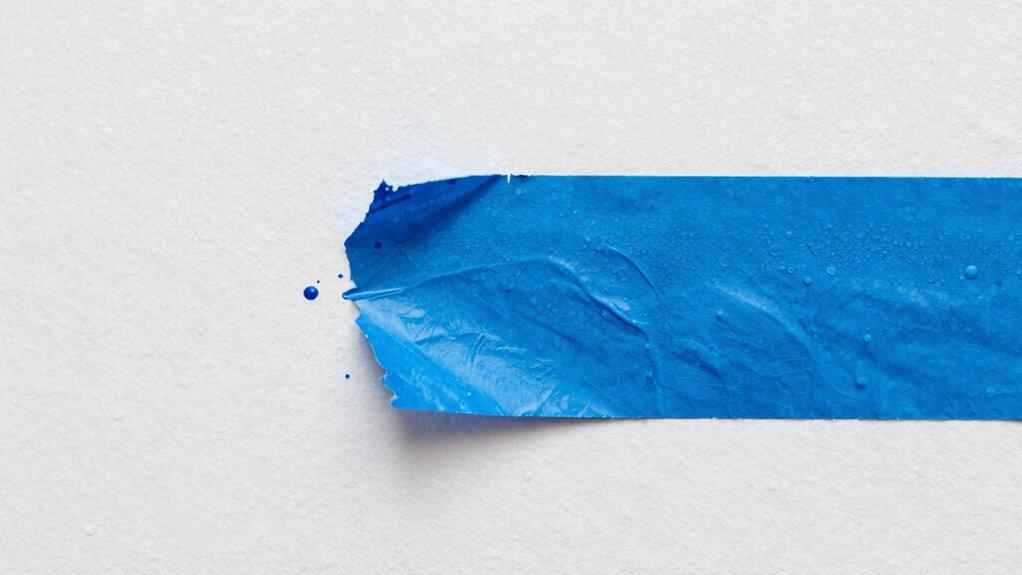
If you’ve ever peeled tape off freshly painted walls only to find the paint coming up with it, you’re not alone. This common frustration usually stems from issues with paint adhesion, which is the paint’s ability to stick firmly to the surface. When adhesion isn’t strong enough, even a well-applied coat can lift away when tape is removed. The root cause often traces back to inadequate surface preparation before painting. Skipping or rushing this step can leave behind dust, grease, or uneven surfaces that prevent the paint from bonding properly.
Surface preparation is essential to achieving a clean, smooth base that promotes good paint adhesion. Before you even start applying paint, you should thoroughly clean the wall to remove dirt, oils, or residues. If you’re working with a glossy or slick surface, sanding it lightly can help create a rough texture that allows the paint to grip better. Additionally, repairing any cracks or holes with primer or filler ensures a uniform surface, preventing a weak bond that can lead to peeling. When the surface isn’t properly prepared, the paint’s bond weakens, making it more vulnerable to peeling or lifting when tape is removed. Proper surface conditioning is a critical step that enhances paint adhesion, and paying attention to surface preparation techniques can significantly improve the longevity of your paint job. Sometimes, using the right surface prep products can make a noticeable difference in how well the paint adheres.
Proper surface prep ensures strong paint adhesion and prevents peeling when removing tape.
Timing also plays a significant role. Applying tape too soon—before the paint has fully dried and cured—can cause the paint to lift when you peel the tape away. Different paints have varying drying times, so always follow the manufacturer’s instructions. Waiting until the paint is thoroughly dry, and ideally cured, guarantees the bond has set properly. If you rush, you risk disturbing the surface and compromising adhesion, which leads to peeling.
Another factor to take into account is the type of painter’s tape you use. Low-quality or improperly designed tape can stick too aggressively or not enough, both of which can cause issues. For delicate, freshly painted surfaces, use painter’s tape designed for sensitive surfaces that peel cleanly without pulling up the paint. When removing tape, do so slowly and at a 45-degree angle to minimize stress on the paint film. Additionally, understanding the importance of paint adhesion can help you consistently achieve better results and avoid peeling issues in future projects.
best painter's tape for fresh paint
As an affiliate, we earn on qualifying purchases.
As an affiliate, we earn on qualifying purchases.
Frequently Asked Questions
How Long Should Paint Dry Before Taping?
You should wait at least 24 hours after painting before taping to guarantee proper paint preparation. This drying time allows the paint to cure and reduces the risk of peeling or lifting when you apply tape. If you’re in a hurry, check that the paint feels dry to the touch and is no longer tacky. Rushing the drying process can cause damage, so patience is key for a clean, professional finish.
Does Tape Brand Affect Paint Peeling?
Did you know that 60% of paint peeling issues are linked to tape adhesion problems? Yes, the tape brand you choose can impact whether paint peels. Cheaper tapes often have lower-quality adhesive, which doesn’t stick well and can pull off paint during removal. Also, different paint formulations react differently to tape adhesion. Using high-quality painter’s tape designed for your specific paint type diminishes peeling and guarantees a clean, professional finish.
Can Temperature Impact Paint Adhesion When Taping?
Yes, temperature can impact paint adhesion when taping. If you don’t consider surface preparation and paint formulation, the paint may not stick properly, especially in extreme temperatures. Cold temperatures slow down drying, making it harder for paint to bond, while hot temperatures can cause it to dry too quickly, leading to peeling. Always make certain the surface is properly prepared and use the right paint formulation for the temperature to improve adhesion.
Is There a Difference Between Painter’s Tape and Masking Tape?
You might wonder if painter’s tape and masking tape are the same—well, they’re not. Painter’s tape is designed for clean removal, even on delicate surfaces, while masking tape can leave residue or peel off paint. Proper surface preparation and careful tape application make all the difference. If you want crisp lines and no peeling, choose painter’s tape and guarantee the surface is smooth, dry, and free of dust before you start taping.
How Do I Fix Peeled Paint Caused by Tape?
To fix peeled paint caused by tape, start by gently scraping away loose paint with a putty knife. Then, sand the area smooth and clean it thoroughly to remove dust and debris. Make sure proper surface preparation and verify paint compatibility before applying a fresh coat. Use painter’s tape carefully next time, and always wait for the paint to fully cure to prevent peeling. This approach helps restore a smooth, durable finish.
surface prep products for painting
As an affiliate, we earn on qualifying purchases.
As an affiliate, we earn on qualifying purchases.
Conclusion
So, next time you tape up fresh paint, remember—it’s not just a small mistake, it’s an epic disaster waiting to happen! Peeling paint can turn your perfect masterpiece into a chaotic mess faster than you can say “oops.” Be patient, follow the drying times, and use gentle tape removal techniques. Otherwise, you’ll be stuck with a peeling, patchy nightmare that might just make you wish you’d never started in the first place!
As an affiliate, we earn on qualifying purchases.
As an affiliate, we earn on qualifying purchases.
Halloween Picks
halloween
As an affiliate, we earn on qualifying purchases.