For ideal seasonal art storage, keep items in a climate-controlled environment that remains cool, dry, and dark to prevent damage from humidity, sunlight, and temperature fluctuations. Use acid-free, archival-quality bins, preferably clear with tight-fitting lids, to protect fragile items and keep everything visible. Label containers clearly for easy access and organization. Regularly check your stored decorations for signs of deterioration. Keep these tips in mind, and you’ll discover more ways to preserve your seasonal treasures effectively.
Key Takeaways
- Store seasonal art in climate-controlled environments to prevent damage from humidity and temperature fluctuations.
- Use acid-free, archival-quality containers to protect delicate materials like paper and fabric.
- Select clear plastic bins with tight-fitting lids for visibility and secure storage.
- Label containers with waterproof markers, indicating contents and associated season or holiday.
- Regularly inspect stored items for signs of deterioration and adjust storage conditions as needed.
Storing seasonal art projects properly guarantees your creations stay in good condition and are easy to find when the season returns. To achieve this, understanding the importance of art preservation and choosing the right storage solutions is essential. Your goal is to protect delicate materials like paper, fabric, and paint from damage caused by light, humidity, and temperature fluctuations. Proper storage not only maintains the integrity of your artwork but also simplifies the process of retrieving seasonal decorations when needed.
One of the most critical factors in art preservation is controlling the environment around your stored pieces. Avoid places with high humidity, extreme temperatures, or direct sunlight, as these conditions can cause fading, warping, or deterioration. Instead, opt for a cool, dry, and dark location, such as a closet or a dedicated storage room. If that’s not feasible, consider investing in climate-controlled storage options. These solutions help regulate temperature and humidity levels, ensuring your seasonal art remains in *ideal* condition year after year.
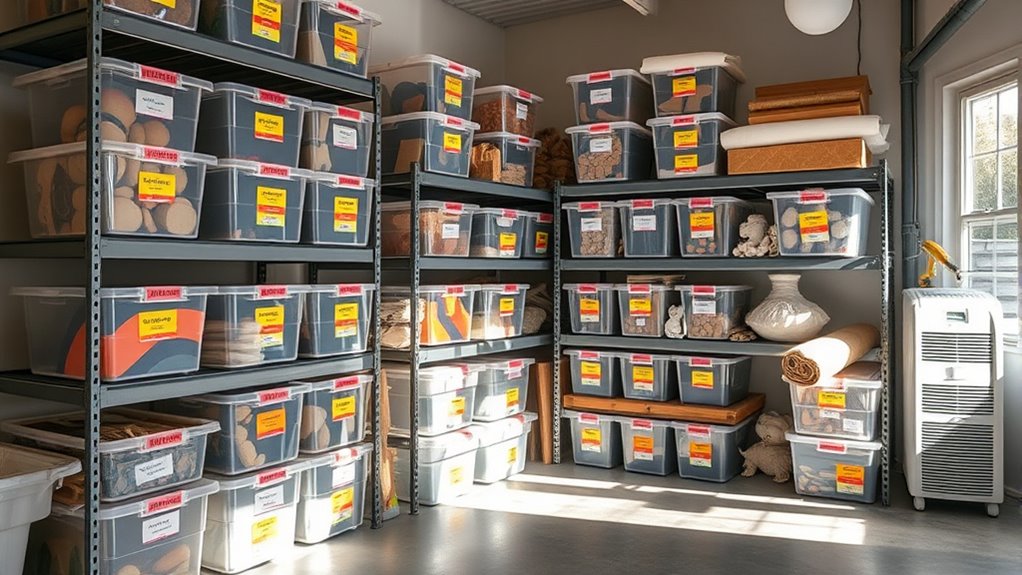
When it comes to choosing storage bins, quality matters. Use acid-free, archival-quality containers for fragile or paper-based projects to prevent chemical reactions that could cause discoloration or weakening over time. Clear plastic bins with tight-fitting lids are a popular choice because they allow you to see your items without opening multiple containers, reducing the risk of accidental damage. For larger or three-dimensional pieces, consider stacking storage solutions that offer sturdy support and prevent crushing.
Labeling your storage containers is a simple yet effective way to keep everything organized. Use waterproof markers or labels to identify the contents and the season or holiday they belong to. This saves you time digging through boxes and reduces the chances of mishandling or mixing up decorations. Additionally, grouping similar items together—like ornaments, banners, or handmade crafts—can streamline your seasonal setup and takedown process.
Finally, consider implementing a regular review of your stored art projects. Periodic checks allow you to inspect for signs of damage or deterioration and make any necessary adjustments. This proactive approach helps ensure your artwork remains vibrant and intact, ready to be displayed when the season arrives. Incorporating proper storage techniques can significantly extend the lifespan of your seasonal art and decorations. By prioritizing art preservation and selecting the right storage solutions, you’ll keep your seasonal creations in *prime* shape, making your holiday or seasonal decorating more enjoyable and less stressful.
Frequently Asked Questions
What Are the Best Materials for Climate-Controlled Art Storage?
For climate-controlled art storage, you should use materials like acid-free paper and archival quality storage products. These materials help protect your artwork from deterioration caused by acidity, light, and humidity fluctuations. You’ll want sturdy, breathable bins and acid-free tissue paper to wrap delicate pieces. By choosing these materials, you guarantee your art stays preserved, safe from damage, and in excellent condition for years to come.
How Often Should I Check My Stored Artwork for Damage?
You should check your stored artwork at least every three to six months to ensure proper art preservation. Regular storage maintenance helps catch issues like mold, pests, or temperature fluctuations early. Investigating the common belief that infrequent checks are enough reveals that consistent monitoring considerably extends the lifespan of your art. By staying vigilant, you protect your collection and maintain its integrity for years to come.
Can Temperature Fluctuations Harm Sensitive Art Pieces?
Yes, temperature fluctuations can harm sensitive art pieces. They disrupt art preservation by causing materials to expand and contract, which may lead to cracking or warping. To protect your artwork, guarantee proper temperature regulation in your storage area. Keep the environment stable and avoid extreme changes, so your art stays in good condition for years to come. Regularly monitoring your storage climate helps prevent damage caused by these fluctuations.
What Types of Bins Are Most Resistant to Moisture?
You reach for moisture-resistant bins, and they feel sturdy, almost unbreakable. These waterproof storage containers are designed to keep your art safe from dampness and mold, especially during humid seasons. They’re made from sealed, durable materials that prevent any moisture from seeping in. As you close the lid, you realize you’ve found the perfect solution—keeping your precious art protected, no matter what the weather throws at you.
Are There Specific Labels Recommended for Seasonal Art Storage?
You should choose art supply labels made of waterproof or laminated materials for seasonal art storage. These labels are designed for label durability, preventing smudging or peeling over time. Use clear, bold printing to guarantee easy identification. Label each bin with specific details like contents and dates, so you can quickly find what you need later. Durable, weather-resistant labels help keep your art organized and protected all season long.
Conclusion
By now, you see how vital climate and proper bins are for seasonal art storage. Keep your artwork safe and vibrant by choosing the right environment and containers. Remember, a stitch in time saves nine—taking care of your art now prevents bigger problems later. With a little effort, you’ll enjoy your cherished pieces for years to come. So, don’t wait; start organizing today and give your art the care it deserves!