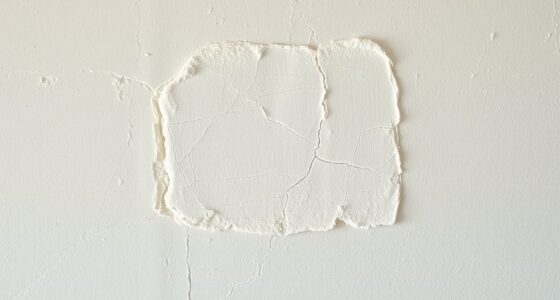
When applying a skim coat to achieve Level 5 finish, using a knife or trowel gives you much greater control and results in a smoother, more refined surface ideal for flawless finishes. Rollers are faster for covering large areas but often leave a textured surface that needs extra smoothing. If you aim for perfection and a seamless look, mastering the knife or trowel technique is your best bet. Keep exploring to discover tips for perfect application.

Get furniture and decor delivered free with Prime
- Fast, free delivery on millions of items
- Prime Video, Amazon Music and more included
- Member-only deals all year
Key Takeaways
- Knife or trowel provides precise, controlled application ideal for achieving a smooth, Level 5 finish.
- Rollers cover large areas quickly but often require additional smoothing with a knife for a flawless surface.
- Knife application results in a flatter, more refined surface with minimal imperfections.
- Roller methods are faster for big surfaces but may leave a textured finish needing extra finishing.
- Combining roller for bulk coverage and knife for finishing offers optimal efficiency and high-quality results.
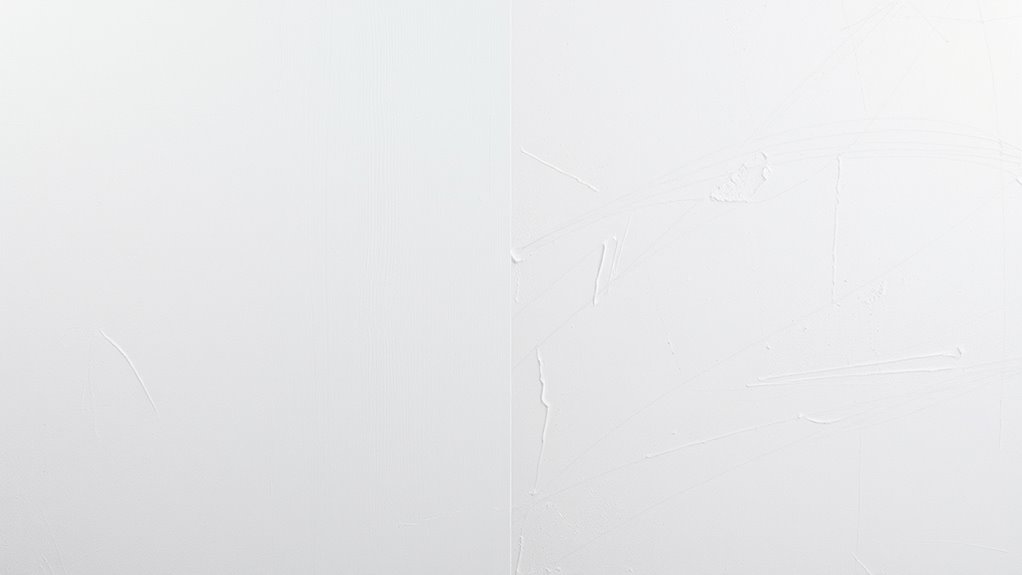
Achieving a smooth, level surface on your walls or ceilings often requires applying a skim coat to reach Level 5 finish. This process is essential for creating a flawless canvas, especially if you plan to paint or apply decorative finishes. When it comes to applying that skim coat, the method you choose can considerably impact the texture smoothing and overall finish quality. Two common techniques are using a putty knife or trowel versus a roller. Each has its advantages and best-use scenarios, so understanding their differences helps you achieve the perfect surface.
Using a knife or trowel offers precise control over the application. With this method, you can spread the skim coat thinly and evenly, ensuring a smooth, flat surface. The key is to work in small sections, feathering the edges so that the finish blends seamlessly. This technique allows for meticulous texture smoothing, which is critical when aiming for a Level 5 finish, as even minor imperfections are visible under close inspection. Applying with a knife also gives you the ability to correct surface irregularities immediately, resulting in a superior finish quality. It’s especially beneficial if your wall or ceiling has minor imperfections that need to be filled and smoothed out thoroughly. The process might be more labor-intensive, but the results tend to be more refined and professional-looking.
Using a knife or trowel ensures precise, smooth finishes for Level 5 wall and ceiling surfaces.
On the other hand, rolling on a skim coat is quicker and often easier, particularly for covering large, flat surfaces. Using a roller can save time, especially if you’re working on a ceiling or expansive wall. However, rollers tend to leave a slightly textured surface, which might require additional finishing with a knife or trowel to achieve that perfect Level 5 smoothness. For best results with a roller, you should use a high-quality, smooth roller cover and apply the coat in multiple thin layers. Lightly feathering each layer helps minimize texture buildup, but you’ll likely need to go back with a knife to smooth out any ridges or uneven spots. This method can still produce a high-quality finish if done carefully, but it requires more post-application smoothing to match the finish quality possible with knife application.
Ultimately, your choice depends on your project scale, skill level, and desired finish. For a crisp, flawless surface, the knife or trowel method provides superior control over texture smoothing and finish quality. If speed is a priority and you’re comfortable doing some additional finishing work, a roller can be effective. Whichever method you choose, patience and proper technique are essential to achieving a professional-looking, Level 5 finish.
Frequently Asked Questions
What Is the Average Drying Time Between Coats?
You should wait about 1 to 2 hours between coats, but drying time can vary with humidity effects. Higher humidity slows the drying process, so it might take longer for the skim coat to be ready for the next layer. Keep an eye on the surface, making sure it’s tack-free and smooth before applying your next coat. Proper drying guarantees a flawless finish and better adhesion for subsequent layers.
Can Skim Coat Be Applied Over Textured Surfaces?
A wise man once said, “Preparation is key.” You can apply a skim coat over textured surfaces, but proper surface preparation is vital. First, remove any loose texture and smooth out the surface to guarantee good adhesion. Skim coating over heavily textured or uneven surfaces may lead to cracks or poor finish. So, for the best results, always do some texture removal and guarantee a clean, smooth base before applying the skim coat.
What Safety Precautions Are Needed During Application?
You should wear personal protective gear like gloves, goggles, and a dust mask to safeguard against skin irritation and inhalation of fumes. Make certain good workspace ventilation by opening windows or using fans to disperse dust and chemical vapors. Keep the area clean and dry, and follow manufacturer instructions carefully. These precautions help you work safely and prevent health issues while applying the skim coat.
How Do Weather Conditions Affect the Skim Coat Process?
Weather can turn your perfect skim coat into a disaster movie. High humidity impacts drying time, causing delays and potential cracks, while low humidity risks rapid drying and surface flaws. Temperature considerations are vital—you need just the right warmth to guarantee proper adhesion and smoothness. Cold weather can freeze your efforts, and heat can cause cracking. Adjust your approach based on these conditions, or risk ending up with a lumpy, uneven finish.
Is Special Equipment Required for Large-Scale Projects?
For large-scale projects, you’ll need specialized equipment to guarantee efficiency and quality. Equipment requirements include large mixers, spray guns, and power trowels, which help you cover extensive surfaces quickly and uniformly. As project scale increases, investing in or renting appropriate tools becomes essential to meet deadlines and maintain consistency. Proper equipment minimizes labor time and ensures a smooth, professional finish, making your large project more manageable and successful.
Conclusion
Whether you choose the knife or roller method, remember to prep thoroughly, apply evenly, and smooth consistently. Both techniques require patience, precision, and practice to achieve that flawless Level 5 finish. Focus on your technique, stay attentive to details, and don’t rush the process. With dedication, you’ll master the skill, enjoy the results, and create a perfectly smooth surface. Ultimately, your effort determines your success—so choose your method, stay committed, and level up your skim coating game.
Halloween Picks
halloween
As an affiliate, we earn on qualifying purchases.