
TL;DR
A TikTok by hopecarewisbrave shows how to cover empty prescription bottles with air-dry clay and decorate them as miniature fairy houses. The finished pieces can add whimsical indoor decor, but the materials described are not weather-resistant, so they are not suited to outdoor gardens without changes.
A TikTok by hopecarewisbrave, described in a project write-up by Hunker, demonstrates turning empty prescription bottles into miniature fairy houses with air-dry clay, paint and decorative details. The craft offers a way to reuse sturdy plastic containers as whimsical indoor decor, though the materials described are not weather-resistant and are better suited to a shelf than an outdoor garden.

Get furniture and decor delivered free with Prime
- Fast, free delivery on millions of items
- Prime Video, Amazon Music and more included
- Member-only deals all year
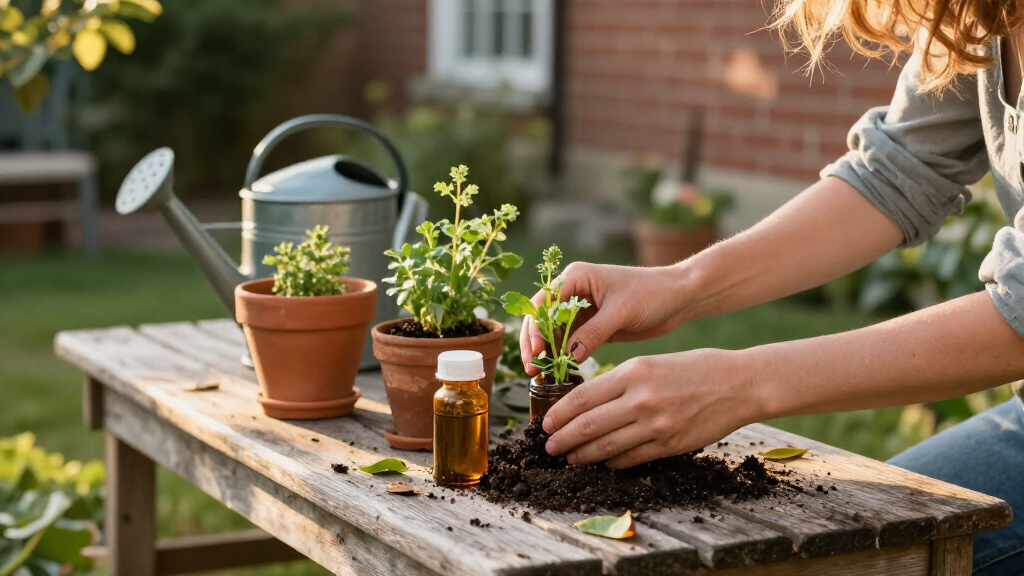
In the TikTok craft described by Hunker, the bottle serves as the house’s internal structure. The creator wraps a rolled-out panel of air-dry clay around the plastic, creating a surface for shaping or attaching features such as a door, windows and foliage. The roof can take a variety of forms: Hunker’s account of the TikTok examples includes mushroom, tree and leaf-inspired designs, while other options could include a flower, an acorn or carved shingles.
Once the clay has been shaped, it needs to dry fully before painting. Hunker’s project instructions give a typical drying period of 24 to 72 hours, followed by paint and small finishing details. Acrylic paint is one option; paint markers or permanent markers can be used for finer accents. The write-up also mentions a craft sealer as a possible protective finish and faux moss for a more natural-looking surface.
Air-dry clay is not the only possible covering. Hunker’s project description also suggests cardstock, cardboard and paper mache as alternatives, including for crafters hoping to spend less or reuse materials already at home. The TikToker displays the finished houses on an indoor bookshelf. Similar designs could be used in cottagecore, eclectic or maximalist interiors, or as decorations in a child’s room, but the stated materials limit their suitability for outdoor exposure.
Can Prescription Bottles Become Charming Garden Decor?
Empty prescription bottles can become miniature fairy houses for indoor display. The materials described are not weather-resistant, so the finished pieces are not suited to outdoor gardens.
Build the fairy house
The bottle provides the structure; a covering and small details shape its character.
Wrap it with air-dry clay, or try cardstock, cardboard or paper mache.
Add a door, windows and a roof inspired by mushrooms, trees or leaves.
Let clay dry fully before adding paint, marker details or faux moss.
Choose a display spot
The demonstrated houses are shown indoors, where their materials are better protected.
- A bookshelf or shelf
- Cottagecore, eclectic or maximalist decor
- A child’s room
- Materials are not described as weather-resistant
- No outdoor durability test is provided
- A craft sealer is not claimed to make it weatherproof
Keep the reuse safe
This is a decorative reuse idea, not a way to store or handle medicine.
- Use only an empty prescription bottle.
- Keep the craft away from medication and children who might mistake it for a usable pill bottle.
- Follow the directions for the materials you choose.
A Small Bottle Finds a New Use
The project gives an everyday container a second use and turns a small craft into a personalized decorative object. Rather than treating an empty bottle as waste, makers can use its shape as a ready-made base, then decide how much detail to add. The approach may appeal to people who want a small, low-profile DIY project and already have craft supplies available.
Its garden-inspired appearance does not mean it is garden-safe. Hunker’s description of the TikTok says the clay and other materials in the demonstration are not described as weather-resistant, so placing the finished piece outdoors could expose it to moisture and damage. The distinction matters for anyone interpreting “fairy house” as a decoration for a real garden: based on the project details, the reliable use is indoor display, unless a maker selects materials and finishes specifically suited to outdoor conditions.
The reuse also calls for basic care around the original container. Only an empty bottle should be used, and it should be kept away from medication and children who might mistake a craft container for a usable pill bottle. The project is a decorative reuse idea, not a method for storing medicine or changing how prescription packaging is handled.
Products Worth Considering

Philips Hue Smart Light Starter Kit with Bridge and 4 White and Color A19 Bulbs

eufy C28 Robot Vacuum and Mop Combo with HydroJet Roller, 15,000 Pa Suction, and Self-Emptying Station

Sonos Era 100 Wireless Smart Speaker with Alexa, Black
As an affiliate, we earn on qualifying purchases.
How the Bottle Becomes a House
Fairy houses are miniature structures designed to suggest homes for small, imaginary creatures. They are often decorated with natural forms and placed in fairy gardens or displayed as small ornaments. In the version shown by hopecarewisbrave and described by Hunker, the prescription bottle supplies a firm shape, while a layer of clay hides the plastic and provides a surface to sculpt.
The design can be adapted without following a single template. A maker can form the walls around the bottle, add a doorway and windows, and build a roof from the same clay. After drying, paint adds color and details; faux moss or other small decorations can supply texture. Hunker’s account says the TikTok shows the creations indoors and cautions that the materials are not suited to weather exposure.
Hunker also notes that other empty prescription bottles can be used for separate decorative projects, including vintage-inspired display stands. No cost comparison, durability test or outdoor performance assessment is provided for the fairy-house project, so practical results may depend on the materials and construction each maker chooses.
Outdoor Durability Is Unverified
Neither the TikTok as described nor Hunker’s project write-up provides a tested weatherproof finish or establishes that the finished houses can withstand rain, sunlight or temperature changes. Hunker says the materials are not very weather-resistant and recommends the pieces as indoor decor. A craft sealer is mentioned as a protective finish, but no claim is made that it makes the project suitable for outdoor use.
There is also no single required design, material list or measured cost for a completed house. The price examples for clay, sealer and faux moss in the project write-up are shopping references, not a full project budget, and the suggested paper-based alternatives may produce different results. The TikTok demonstrates one approach rather than reporting a durability test or a standardized set of instructions.
Choose Materials for the Display
Anyone trying the project can begin with an empty prescription bottle, then choose clay or another covering material and decide whether to make a natural-shaped roof or a more traditional one. Hunker’s instructions give a typical drying time of 24 to 72 hours for the clay before paint and finishing details are added. Makers should follow the directions for the materials they use and keep the finished piece indoors unless its components are specifically rated for outdoor conditions.
The next step is a creative choice rather than a scheduled development: the design can be adapted to fit a bookshelf, a fairy-garden theme indoors or a child’s room. Neither the TikTok nor Hunker’s write-up reports further testing, a product release or follow-up from the creator.
Key Questions
Can a prescription-bottle fairy house go in an outdoor garden?
Hunker’s description of the TikTok says the materials are not weather-resistant, so the project is best treated as indoor decor. No outdoor durability test or weatherproofing claim is provided.
What materials are used to cover the bottle?
The TikTok demonstration, as described by Hunker, uses air-dry clay. The project write-up also suggests cardstock, cardboard and paper mache as possible alternatives.
How long should the clay dry?
Hunker’s project instructions give a typical drying time of 24 to 72 hours. Drying time can depend on the material and the finished piece, so follow the product instructions.
What can be used to decorate the finished house?
The project write-up mentions acrylic paint, paint markers or permanent markers for details. It also suggests a craft sealer for a protective finish and faux moss for texture.
Does the project have to use air-dry clay?
No. Hunker’s craft description names cardstock, cardboard and paper mache as other materials that can be used around the bottle.
Source: hunker.com