
TL;DR
Interior designers say warmth is shaping home design through natural wood, softer-looking stone, sanctuary-like rooms, layered decor and varied textures. The article presents these as professional observations, not as a measured industry-wide trend, and gives no survey data or sales figures.
Interior designers are describing five ways warmth is influencing home design: more visible wood, natural stone with softer finishes, rooms planned as retreats, layered furnishings and greater variation in texture. The observations, attributed to designers working on residential projects, suggest a shift away from interiors centered on cool neutrals and minimalism, though no survey or industry-wide data is provided to measure its scale.

Get furniture and decor delivered free with Prime
- Fast, free delivery on millions of items
- Prime Video, Amazon Music and more included
- Member-only deals all year
Wood is taking a larger role in cabinetry and architectural details, according to Rachel Simpson, senior interior designer at Revive Design and Renovation. Simpson said the firm is incorporating more white oak, walnut and rift-cut cabinetry, as well as wood ceilings and paneled walls. The natural grain adds variation to rooms without requiring a strongly patterned palette.
Stone choices are also moving toward natural quartzite, travertine and marble with warmer veining, rather than stark white countertops, Simpson said. She described honed finishes as softer and more organic than polished surfaces, allowing the stone’s variation to remain visible without a glossy effect. The account does not specify how common these choices are across the wider market.
A third approach is to design homes around a feeling of retreat. Charles Greenfeld, founder and principal designer at Ethan Charles Design, described a client’s brief for a contemporary mountain home that would feel like a “grown-up treehouse” among evergreens, while remaining comfortable and welcoming. The project relied on details working together rather than a small number of dramatic focal points.
5 Ways Warmth Shapes Homes in 2026
Interior designers describe warmer, more personal rooms through materials, finishes and layered details. These are professional observations, not measured industry-wide trends.
Five design directions
Warmth comes from how a room’s elements work together, not just its wall color.
Visible wood
White oak, walnut and rift-cut cabinetry bring natural grain to rooms, alongside wood ceilings and paneled walls.
Softer surfaces
Designers cite warm-veined quartzite, travertine and marble, often with honed finishes.
Retreat-like spaces
Some projects bring together details to make rooms feel comfortable and welcoming.
Layered rooms
Rugs, art, draperies and lighting help create spaces designers describe as cozy and accessible.
Varied textures
Woven rugs, textured walls and visible wood grain add depth within a restrained palette.
What homeowners can consider
These ideas offer starting points for renovation or redecorating conversations.
Consider visible wood grain or warmer variation in stone.
Explore rugs, wall texture, art, drapery and lighting at different heights.
Combine textures that catch the light differently, even when colors stay close together.
How much is changing?
The report reflects designers’ projects and observations; it does not measure the trend’s reach.
- Material and finish choices
- Rooms planned for comfort
- More layered furnishings and textures
- How widespread the shift is
- Sales, costs or maintenance needs
- How preferences vary by region or budget
How Warmth Changes Room Planning
The examples point to warmth as a design approach that goes beyond paint color. Materials, lighting, furnishings and surface finishes can all contribute to how inviting a room feels, giving homeowners more options than simply choosing a warmer wall shade. The emphasis is on the experience of a room and the way its elements work together.
For people planning renovations or redecorating, the suggestions also indicate where designers are directing attention: cabinetry and wood details, countertop finishes, rugs, wall treatments, art, drapery and lighting at different heights. Those choices can affect the look and feel of a space, but the article provides no cost estimates, performance comparisons or evidence that any one approach is more effective than another. The ideas are design guidance from named practitioners, not a guarantee of a particular result.
Products Worth Considering

Sonos Era 100 Wireless Smart Speaker with Alexa, Black

Levoit Vital 100S-P Air Purifier with Washable Pre-Filter

Roborock Q7 M5+ Robot Vacuum and Mop with Self-Emptying Dock
As an affiliate, we earn on qualifying purchases.
From Cool Neutrals to Layered Rooms
The report frames the current interest in warm interiors against years of cool neutrals and minimalist design. It does not date that earlier period precisely or document when the change began. Instead, its account draws on designers’ descriptions of work and preferences they say they are seeing in projects.
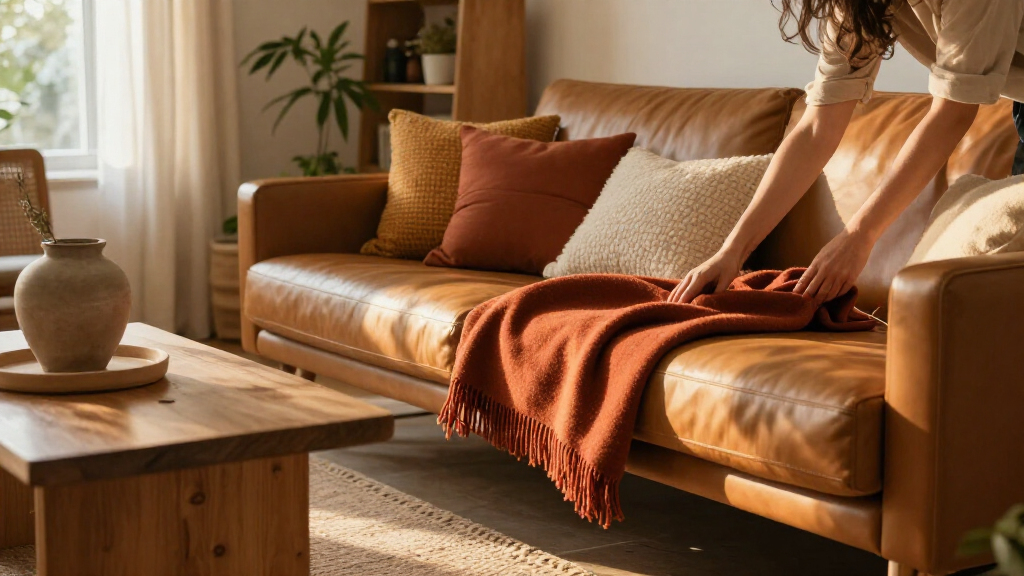
Two of the five approaches focus on how rooms are assembled. Ashley Powell, cofounder and interior designer of Roseberry Allen, said well-proportioned rugs, textured walls, art, draperies and lighting can make spaces feel cozy and accessible. Jess Klein, founder and principal of Jess Klein Studio, described using colors that stay close together while choosing materials that behave differently in the light. A woven rug, textured wall and visible wood grain, she said, can add depth without relying on strong color contrasts.
“Warmth has become more than just a color palette or a particular material. It’s about spaces that feel authentic, comfortable, and reflective of the people who live in them.”
— Laura Gerber, founder of ODE Design
How Broad the Shift Is
The designers’ accounts describe choices in their practices and projects, but the report does not include survey results, market data or a comparison across years. It is not clear how widespread the shift is among homeowners, whether the choices are growing in sales, or how preferences vary by region, budget or housing type. No claim is made that cool neutrals or minimalist interiors have disappeared.
The examples also do not establish that particular materials are affordable, durable or suitable for every home. Costs, sourcing, maintenance needs and project specifics are not provided. The comments should be read as designers’ observations and recommendations, rather than independently measured findings about the entire interior-design industry.
What Homeowners Can Watch
The article does not announce a product launch, formal industry forecast or upcoming research report, and it gives no scheduled next milestone. Its immediate takeaway is a set of design directions that homeowners can discuss with a designer: whether to add visible wood, select stone with warmer variation, create a retreat-like mood, build layers, or mix textures within a restrained palette.
For now, the extent of the trend remains unquantified. More evidence about its reach would require data beyond the project examples and expert comments presented here. Source: rss
Source: rss
Key Questions
What are the five ways warmth is influencing interiors?
The designers point to more visible wood, softer natural stone, retreat-like rooms, layered furnishings and varied textures. These are observations from practitioners, not a ranked list or a measured industry survey.
Which wood choices did the designers mention?
Rachel Simpson cited white oak, walnut and rift-cut cabinetry, along with wood ceilings and paneled walls, as materials her firm is incorporating into projects.
What does a warmer stone finish mean here?
The article describes natural quartzite, travertine and marble with warmer veining, as well as honed rather than highly polished finishes. Simpson said honed surfaces can feel softer and more organic.
Is there data showing how widespread the trend is?
No. The report offers designers’ comments and project examples, but no survey, market figures, publication date or defined measurement period to establish how widespread the shift is.
Source: housebeautiful.com