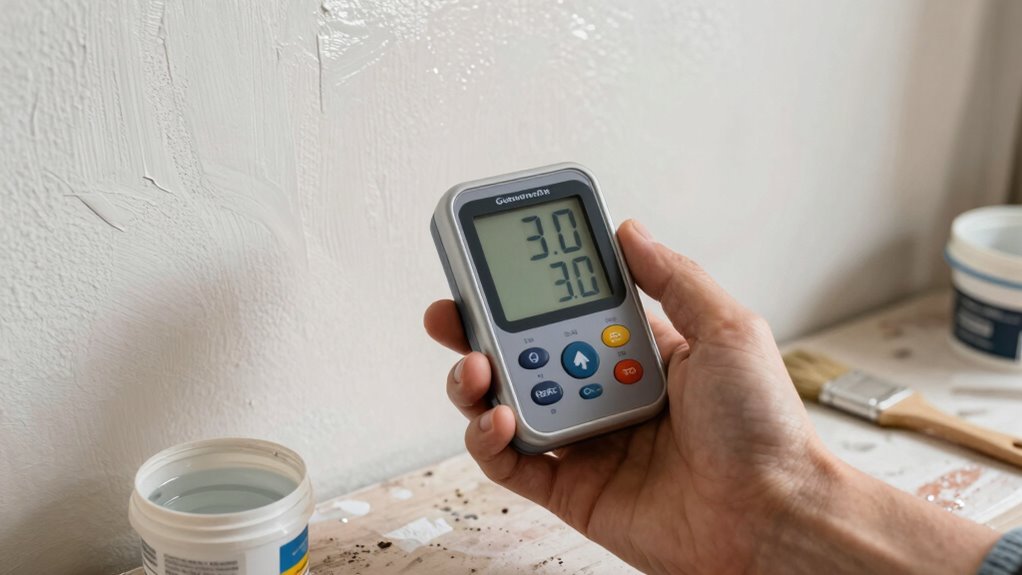

Monitoring humidity levels before you start painting is essential because it affects how paint dries, adheres, and finishes. High humidity slows down curing and can cause peeling, while low humidity can make paint dry too fast and crack. Properly checking humidity helps you choose the right timing, tools, and surface prep, ensuring a smooth, durable finish. Keep going to discover essential tips for managing moisture and improving your painting results.

Get furniture and decor delivered free with Prime
- Fast, free delivery on millions of items
- Prime Video, Amazon Music and more included
- Member-only deals all year
Key Takeaways
- Humidity levels influence paint drying time and curing, affecting finish quality and durability.
- Proper humidity readings help determine optimal timing to prevent surface issues like bubbling or cracking.
- Monitoring humidity ensures surface conditions are dry enough for effective adhesion and to avoid peeling.
- Controlling indoor humidity stabilizes environment conditions, reducing rework and material waste.
- External humidity forecasts inform better scheduling for exterior painting projects, ensuring consistent results.

Before you start painting, understanding the humidity levels in the environment is vital, as they directly impact the quality and durability of your work. Humidity influences how paint dries and how well the surface prepares to receive a fresh coat. If the air is too humid, moisture slows down the paint drying process, leaving you waiting longer for it to cure properly. Conversely, if the air is too dry, the paint may dry too quickly, leading to problems like cracking or uneven texture. Knowing the humidity helps you plan your project better, guaranteeing that the paint adheres correctly and looks smooth once finished. Additionally, maintaining the proper humidity level can prevent the buildup of indoor pollutants, which can affect paint adhesion and finish quality. Surface preparation is a critical step that’s often overlooked, but it’s heavily affected by humidity levels. High humidity can cause surfaces to remain damp longer, which hampers the adhesion of the paint. If you skip proper surface preparation under humid conditions, you risk trapping moisture beneath the paint, which could cause peeling or bubbling over time. On the other hand, in low humidity conditions, surfaces tend to dry out faster, so you need to work swiftly to clean and prime the area. In either case, adjusting your surface preparation techniques based on humidity will help create a stable, dry base for your paint to bond to, ultimately extending the life of your paint job. Monitoring humidity levels also guides your choice of paint and application timing. Some paints are specially formulated for high or low humidity environments. Using the right type ensures ideal paint drying and reduces the risk of issues like streaks or blotches. If you’re painting outdoors, checking humidity forecasts allows you to pick a day with more favorable conditions. Inside, running a dehumidifier or humidifier might be necessary to stabilize the environment, helping the paint dry evenly and quickly. This way, you avoid problems like tackiness or prolonged wetness that can compromise your surface preparation and lead to a subpar finish. Recognizing how environmental factors affect paint application is essential for a successful project. Being aware of the impact of humidity on drying times and surface conditions can help you troubleshoot potential issues before they arise. Properly managing humidity levels also supports environmental sustainability, reducing waste and the need for rework.
digital humidity meter for painting
As an affiliate, we earn on qualifying purchases.
As an affiliate, we earn on qualifying purchases.
Frequently Asked Questions
Can Humidity Levels Vary Indoors and Outdoors Significantly?
Yes, humidity levels can vary considerably indoors and outdoors. Indoor ventilation influences humidity, often making it higher or lower depending on airflow and heating or cooling systems. Meanwhile, outdoor climate fluctuates with weather patterns, affecting your indoor environment. These differences matter because they impact paint drying and adhesion. Monitoring both indoor and outdoor humidity helps you choose the best time to paint, ensuring ideal results and longer-lasting finishes.
How Often Should I Check Humidity Before Painting?
They say “forewarned is forearmed,” so check humidity often before you paint. Use reliable humidity sensors to monitor indoor conditions, especially if weather conditions fluctuate. You should check humidity levels at least once a day, ideally right before you start painting. Consistent readings guarantee ideal drying and adhesion, preventing issues like peeling or cracking. Staying vigilant helps you achieve a flawless finish, no matter the weather outside.
Does Humidity Affect Different Types of Paint Differently?
Yes, humidity affects different types of paint differently. High humidity can hinder paint adhesion, making it less durable, and extend drying time, especially with oil-based paints. Latex and water-based paints are more sensitive to humidity levels, which can cause uneven finishes or blistering. To guarantee the best results, monitor humidity closely, and paint when conditions are ideal, so your paint dries properly and adheres well.
What Is the Ideal Humidity Range for Exterior Painting?
Imagine a gentle breeze guiding your brush—keeping humidity between 40-60%. This ideal range acts like a shield, supporting climate control and ensuring paint adhesion. When humidity is just right, your exterior paint bonds better, dries evenly, and lasts longer. Too high or low, and it’s like fighting against the wind, causing uneven finishes or peeling. Maintain this balance for a flawless, durable exterior finish.
Can High Humidity Cause Paint to Peel or Bubble?
Yes, high humidity can cause paint to peel or bubble because excess moisture prevents proper adhesion. To prevent this, you should use a dehumidifier to reduce moisture levels and apply moisture barriers to protect surfaces. Monitoring humidity readings guarantees ideal conditions for painting, helping paint dry evenly and securely. Maintaining the right environment is essential for a smooth, lasting finish, especially in humid climates.
As an affiliate, we earn on qualifying purchases.
Conclusion
So, next time you’re about to start painting, don’t overlook the humidity levels. Ignoring them could mean the difference between a flawless finish and a project ruined by imperfections. But here’s the catch—just when you think you’ve got everything under control, unexpected changes in humidity might throw everything off. Are you prepared to handle the surprises Mother Nature throws your way? Keep an eye on those readings—you’ll thank yourself when your paint job stands the test of time.
outdoor humidity forecast device
As an affiliate, we earn on qualifying purchases.
As an affiliate, we earn on qualifying purchases.
As an affiliate, we earn on qualifying purchases.
Halloween Picks
halloween
As an affiliate, we earn on qualifying purchases.