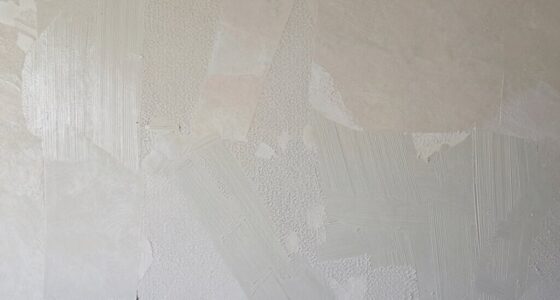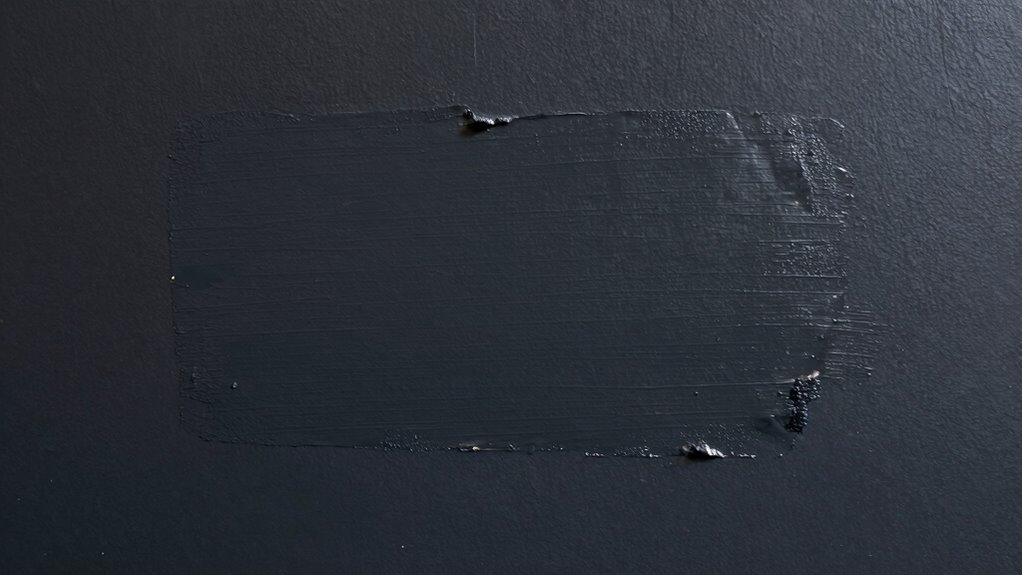
Touch-ups on dark walls rarely blend perfectly because subtle color differences, even within the same batch or after aging, can be noticeable. Texture inconsistencies from brush or roller strokes and variations in finish make it hard to match seamlessly. Lighting and environmental factors also play a big role, often revealing mismatches. If you keep exploring, you’ll discover more factors that influence why perfect blending isn’t always possible.

Get furniture and decor delivered free — and shop member deals
- Fast, free delivery on millions of items
- Access to Prime Big Deal Days deals on October 6–7
- Prime Video, Amazon Music and more included
Key Takeaways
- Slight color differences are more noticeable on dark walls due to their reflective properties and depth of color.
- Variations in paint formulation and aging can cause mismatched hues, especially in dark shades.
- Differences in finish and texture become more apparent on dark surfaces, making seamless blending difficult.
- Lighting conditions significantly influence how touch-ups appear on dark walls, highlighting imperfections.
- Environmental factors during drying affect how well new paint blends with the existing dark surface.
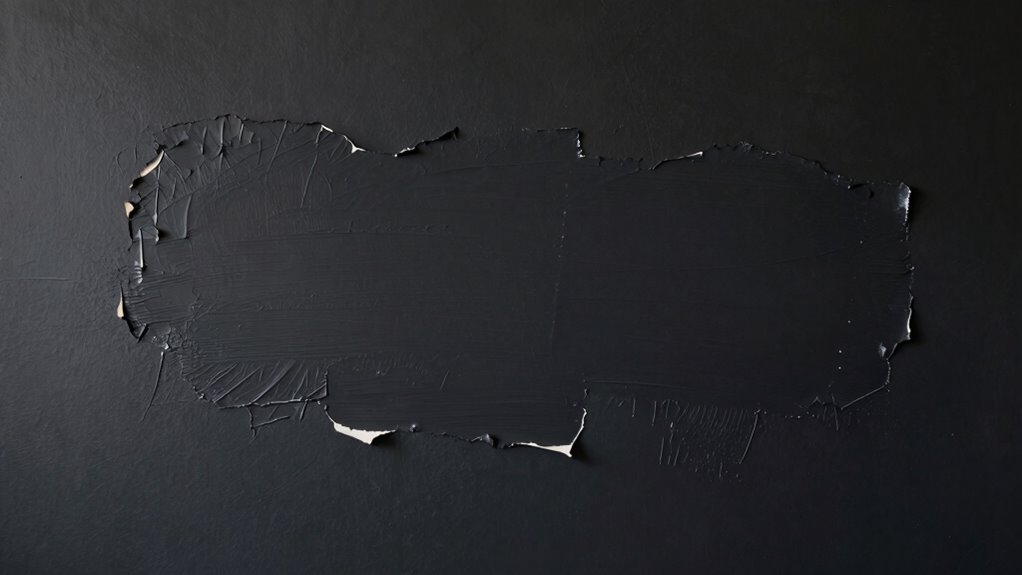
Dark walls can make a room feel cozy and sophisticated, but they also pose unique challenges when it comes to touch-ups. One of the biggest hurdles is achieving a seamless blend that doesn’t stand out. When you try to touch up dark paint, you often notice a frustrating color mismatch. Even if you use the exact same brand and shade, the new paint can appear slightly different due to variations in batch numbers or aging of the original wall paint. This subtle difference becomes glaring against the deep hue, making your repair obvious rather than invisible.
Touch-up dark walls often reveals subtle color mismatches that stand out against their rich, deep hues.
Texture inconsistency is another obstacle that hampers perfect touch-ups on dark walls. Over time, walls develop a certain texture from brush strokes, roller marks, or even the way the paint dries. When you attempt to do a touch-up, the new paint might settle differently, leading to a surface that feels uneven or rough compared to the surrounding wall. This difference in texture becomes especially noticeable on dark walls where the paint’s richness amplifies any subtle irregularities. Even if you apply multiple coats, matching the original finish—whether matte, eggshell, or satin—remains difficult, and the new patch often appears glossy or dull compared to the old paint.
Light plays a significant role as well. Because dark walls reflect less light, even slight inconsistencies in color or texture become more pronounced. You might think you’ve done a good job, only to see the repaired area under different lighting conditions—such as natural daylight versus artificial light—and realize it doesn’t blend as seamlessly as you’d hoped. This sensitivity to lighting makes perfect touch-ups on dark walls more elusive. In addition, lighting conditions can dramatically influence how well a repair blends into the surrounding surface. Moreover, the quality of the paint can also impact how well the touch-up matches, especially in varying lighting scenarios. Variations in paint formulation can further complicate achieving a perfect match, especially with dark shades that are more sensitive to subtle differences.
Furthermore, the drying process can also introduce problems. When you touch up, the new paint may dry slightly differently than the existing coat, especially if the humidity or temperature changes. This can cause the color to appear more vibrant or dull in spots, further exacerbating the mismatch. Additionally, paint aging can alter the hue over time, making repairs more noticeable than on newer walls. Changes in environmental conditions during drying, such as humidity levels, can also impact how the paint settles and blends. Over time, the original paint may fade or change hue, making any repairs stand out more than they would on lighter-colored walls.
As an affiliate, we earn on qualifying purchases.
Frequently Asked Questions
How Can I Prevent Dark Paint From Showing Touch-Up Marks?
To prevent dark paint touch-up marks from showing, focus on precise color matching and seamless edge blending. Use a small, high-quality brush or sponge to apply paint gently, feathering the edges into the existing wall. Mix your touch-up paint thoroughly to match the original color perfectly. Work in thin layers, blending carefully to hide any visible lines. This approach helps your touch-ups blend naturally and minimizes noticeable marks.
What Tools Are Best for Seamless Dark Wall Touch-Ups?
Imagine a painter’s brush as a magic wand, blending shadows into darkness. For seamless dark wall touch-ups, you need precise tool selection, like fine-tipped brushes or small foam rollers, to apply paint delicately. Color matching is key—use a high-quality sample pot to guarantee your touch-up blends perfectly. These tools help you achieve a smooth, even finish, making the repair almost invisible against the deep, rich hue of your wall.
Does Matte or Gloss Finish Affect Touch-Up Blending?
The finish sheen substantially impacts touch-up blending because matte and gloss finishes reflect light differently. Matte finishes, being less reflective, hide imperfections better but can be harder to match seamlessly. Gloss finishes, which reflect more light, highlight touch-up areas. Your best bet is to match the finish sheen and guarantee consistent paint consistency, as uneven paint or sheen differences make blending appear uneven and noticeable.
How Long Should I Wait Before Doing a Touch-Up?
You should wait at least 24 hours before doing a touch-up, giving the paint time to dry properly. This allows the color to match better, as fresh paint can appear darker or lighter until fully dried. Rushing the process can make blending tricky. Be patient, check the paint’s dryness, and then do your touch-up to guarantee a seamless color match.
Are There Specific Primers Recommended for Dark Walls?
For dark walls, you want a primer that’s compatible with your paint and suited for high coverage. Look for primers labeled as stain-blocking or dark-tint blocking, ensuring primer compatibility. Consider humidity effects, as excess moisture can cause uneven drying or peeling, so choose a primer that withstands your environment. Applying a quality primer creates a smooth base, blending seamlessly with your topcoat, and helps your touch-up hide imperfections effortlessly, like a shadow merging into darkness.
paint blending tools for dark walls
As an affiliate, we earn on qualifying purchases.
As an affiliate, we earn on qualifying purchases.
Conclusion
So, next time you try to fix a dark wall, remember the irony: your perfect touch-up might stand out even more than the original stain. Like trying to hide a smudge with a tiny brush, you may end up highlighting the flaw instead. Dark walls have a mind of their own, refusing to blend seamlessly. Maybe the best fix is to embrace the imperfection—after all, even the most flawless touch-up can’t hide its own stubbornness.
As an affiliate, we earn on qualifying purchases.
texture roller for wall touch-ups
As an affiliate, we earn on qualifying purchases.
As an affiliate, we earn on qualifying purchases.
Halloween Picks
halloween
As an affiliate, we earn on qualifying purchases.