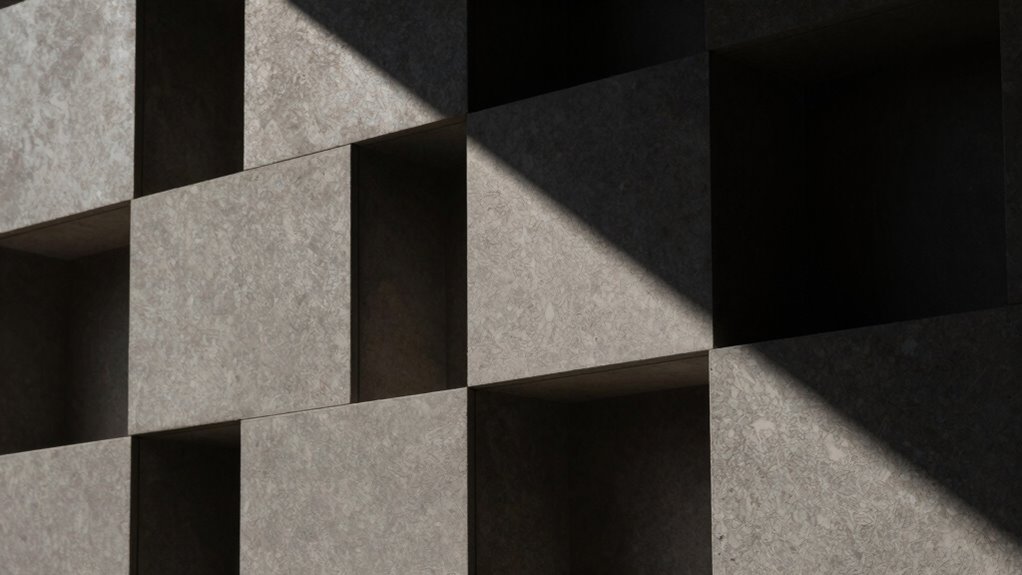

You need to plan shadows for recessed features because they’re key to highlighting depth and texture in your design. Proper shadow placement emphasizes their shape, making spaces more dynamic and visually interesting. Using directional lighting and contrasting materials, you can control how shadows fall, ensuring they enhance rather than hide the features. By understanding shadow behavior and lighting techniques, you’ll create a balanced, cohesive look. Keep exploring to discover how to master shadow effects for stunning results.
Key Takeaways
- Proper shadow planning emphasizes the depth and shape of recessed features, enhancing visual interest and dimensionality.
- Strategic shadows prevent recessed features from blending into the background, establishing clear focal points.
- Shadow control highlights texture contrasts, adding richness and complexity to the overall design.
- Anticipating shadow behavior ensures consistent aesthetic impact across different lighting conditions.
- Adaptive shadow techniques allow recessed features to remain visually engaging in various environments and times of day.
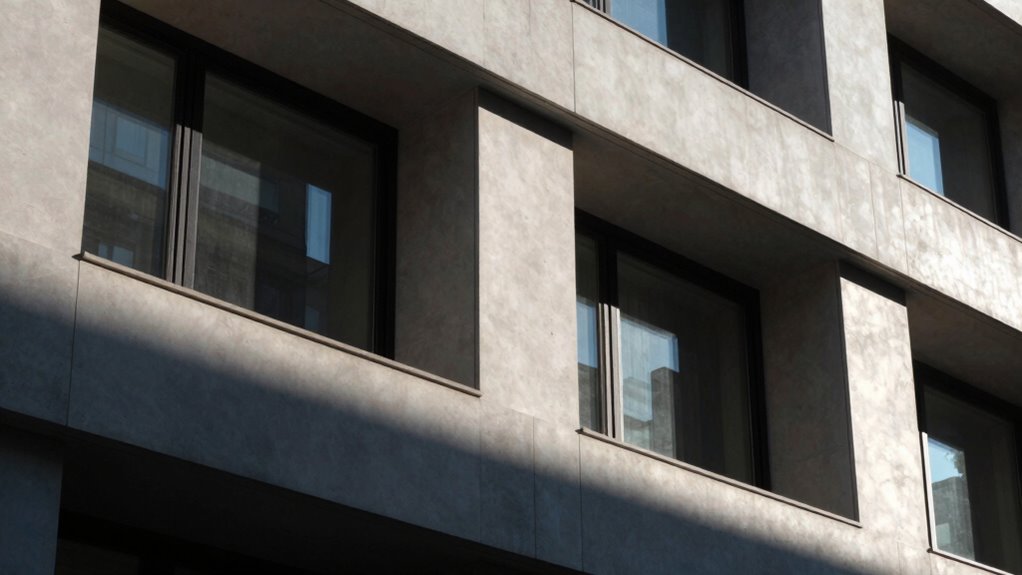
Lighting techniques are essential here because they influence how shadows form and behave around recessed features. Instead of relying solely on ambient light, you can use directional lighting—such as wall washers or spotlights—to cast precise shadows that accentuate the depth of recesses. This approach not only emphasizes the shape itself but also creates a sense of texture and movement within the space. The key is to understand the interplay between light and shadow, ensuring that shadows enhance rather than obscure the intended design. When you master this balance, you turn simple recesses into dynamic visual elements.
Effective lighting highlights recessed features, transforming simple shapes into dynamic, textured visual elements through strategic shadow play.
Material contrast also plays a critical role in shadow planning for recessed features. When you select contrasting materials—like matte versus glossy finishes, or stone against wood—you add another layer of visual interest. These differences in surface textures and reflectivity influence how shadows appear. For instance, a matte surface absorbs light and creates softer shadows, while a glossy surface reflects light, producing sharper, more defined shadows. By intentionally pairing contrasting materials around recessed features, you can control how shadows unfold and emphasize certain aspects of the design. Additionally, understanding shadow behavior can help you predict how shadows will shift throughout different times of the day, enhancing the overall impact of your design. Being aware of lighting dynamics ensures your plan remains effective under various lighting conditions, contributing to a cohesive aesthetic. Recognizing material properties is also vital because they directly affect how shadows are perceived and can be used deliberately to enhance the visual storytelling of your space. Moreover, considering light distribution can optimize how shadows are cast, ensuring a balanced and intentional look. Incorporating lighting techniques that adapt to different environments can further refine the shadow effects, making your design more versatile and resilient over time.
As an affiliate, we earn on qualifying purchases.
Frequently Asked Questions
How Do Lighting Angles Affect Recessed Feature Shadows?
Lighting angles greatly influence how recessed feature shadows appear, affecting overall lighting dynamics and shadow contrast. When you position lights at shallow angles, you create longer, softer shadows that enhance depth and texture. Conversely, direct, overhead light produces shorter, sharper shadows, which may flatten features. Adjusting your lighting angles thoughtfully helps you control shadow contrast, emphasizing or minimizing recessed details to achieve the desired visual effect.
What Materials Best Enhance Shadow Depth in Recessed Features?
Did you know that matte materials can enhance shadow depth by absorbing light, making recessed features appear more dramatic? To maximize shadow contrast, use materials with low reflectivity, like textured plaster or matte stone. These textures create varied surface angles that cast deeper, richer shadows. Avoid glossy finishes, as their reflectivity reduces shadow intensity. Selecting the right materials truly transforms recessed features into striking visual elements.
How Does Scale Impact Shadow Planning for Recessed Designs?
Scale variation plays a vital role in shadow planning for recessed designs, as larger features cast deeper, more dramatic shadows, while smaller ones create subtle effects. You should consider proportional balance to guarantee shadows complement the feature size, avoiding overwhelming or underwhelming visual impact. By adjusting shadow intensity and angle based on scale, you enhance depth and clarity, making recessed details more visually appealing and harmonious within your overall design.
Can Shadow Planning Improve Accessibility in Recessed Areas?
Think of shadow planning as the guiding hand that reveals hidden paths. Yes, it can improve accessibility in recessed areas by emphasizing color contrast and surface texture, making features easier to identify and navigate. Proper shadow placement highlights depth and boundaries, reducing confusion. By carefully planning shadows, you create an environment where everyone, including those with visual impairments, can move confidently through recessed spaces.
What Tools Are Best for Simulating Shadows in Design?
You should use lighting simulation tools like Autodesk Revit, SketchUp, or Lumion to accurately simulate shadows in your design. These tools allow you to adjust material textures and lighting angles, guaranteeing shadow accuracy. By experimenting with different sun positions and materials, you can see how shadows fall, helping you plan recessed features effectively. This process enhances visual realism, improves accessibility, and ensures your design’s functionality aligns with natural lighting conditions.
As an affiliate, we earn on qualifying purchases.
Conclusion
Think of recessed features like hidden caves in a mountain—they need the right shadows to reveal their true beauty. When you plan shadows carefully, you’re guiding the eye like a lighthouse beam, illuminating every detail. I once saw a building where shadows transformed plain recesses into mesmerizing depths, turning a simple design into an artwork. Remember, good shadow planning isn’t just about contrast; it’s about telling a story through light and dark, bringing your features to life.
As an affiliate, we earn on qualifying purchases.
As an affiliate, we earn on qualifying purchases.