To protect your art during wall painting, start by evaluating its condition and consulting conservators if needed. Cover the artwork with breathable, high-quality protective sheets and tape edges carefully to avoid damage. Use barriers like shields or masking film to prevent splashes and splatters. Handle valuable pieces with gloves, consider moving them temporarily, and keep the workspace organized. After painting, remove coverings carefully and inspect for any damage—if you follow these steps, you’ll guarantee your artwork stays safe and beautiful throughout renovations.

Get furniture and decor delivered free — and shop member deals
- Fast, free delivery on millions of items
- Access to Prime Big Deal Days deals on October 6–7
- Prime Video, Amazon Music and more included
Key Takeaways
- Cover artwork with breathable protective sheets secured with painter’s tape to prevent paint splatters and contact damage.
- Consider temporarily relocating valuable or fragile art to a safe, controlled environment before painting begins.
- Handle artwork with clean gloves and inspect thoroughly after coverings are removed to identify any accidental damage.
- Use barriers like masking film or painter’s shields to create a protective zone around the artwork during painting.
- Maintain proper ventilation and use air purifiers to minimize airborne pollutants that could harm or discolor the art.
When painting walls that feature valuable or delicate artwork, taking steps to protect the art is essential. You want to ensure that your efforts to refresh or update a space don’t inadvertently damage or compromise the integrity of the artwork. One of the most effective ways to do this is by focusing on canvas preservation and implementing proper paint protection measures. Canvas preservation involves carefully evaluating the artwork’s condition before you begin, making sure it’s properly stabilized if it’s fragile or deteriorating. This might mean consulting a conservator or applying protective coatings that help prevent deterioration caused by dust, humidity, or accidental contact. When you prioritize canvas preservation, you help maintain the artwork’s longevity and aesthetic appeal, even through the upheaval of a painting project.
Prioritize canvas preservation to protect valuable artwork during wall painting projects.
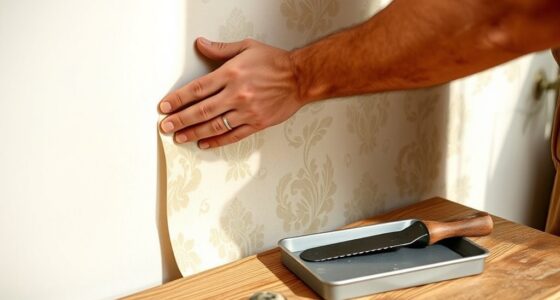
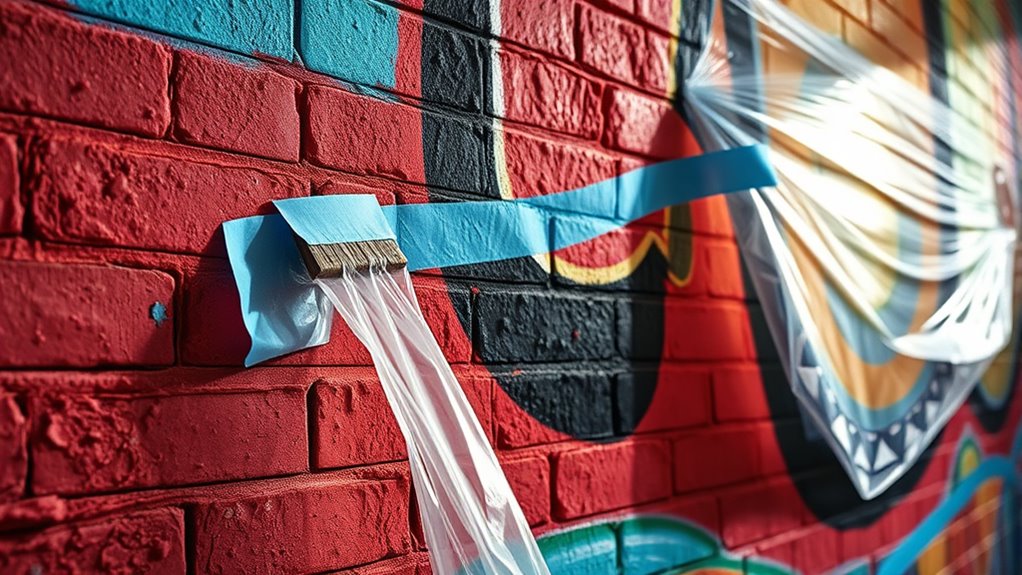
Paint protection is equally crucial during the process. Before you start, cover the artwork with a high-quality, breathable protective sheet or plastic sheeting designed specifically for covering art. This creates a barrier against accidental splashes, drips, or spray from paint or primer. Make sure your coverings are secure but don’t press directly against the artwork to avoid causing any damage. Use painter’s tape carefully around the edges of the protected area, ensuring it adheres well without pulling or tearing the surface of the art. Additionally, consider using masking film or painter’s shields when you’re working near the artwork to prevent any rogue paint spots or splatters from reaching the surface.
If the artwork is particularly valuable or fragile, you may want to temporarily relocate it to a safe area, especially if the painting process involves spray or roller techniques that could create overspray or airborne particles. When moving the piece, handle it with clean gloves to prevent oils and dirt from transferring onto the surface. Once you’ve finished painting, remove the protective coverings gently, inspecting the artwork for any signs of accidental contact or damage. If you notice any issues, address them immediately to prevent further deterioration. Additionally, using air purifiers can help maintain a clean environment by reducing airborne particles and pollutants that could harm the artwork over time.
Throughout the process, maintain good ventilation to minimize humidity and prevent mold growth, which can threaten canvas preservation. Keep the workspace tidy and organized to reduce the risk of accidental bumps or spills. Ultimately, your careful planning and attention to detail will help safeguard the artwork, ensuring it remains pristine and intact long after the wall painting is complete. Protecting art during wall painting isn’t just about covering it up—it’s about actively preserving its beauty and integrity through thoughtful, deliberate actions.
breathable protective art covering
As an affiliate, we earn on qualifying purchases.
As an affiliate, we earn on qualifying purchases.
Frequently Asked Questions
What Materials Prevent Paint Splatters From Damaging Artwork?
To prevent paint splatters from damaging your artwork, you should use canvas covers to shield larger pieces and painter’s tape to secure edges and delicate areas. Canvas covers act as a barrier against accidental splashes, while painter’s tape ensures clean lines and protects borders. Together, these materials help keep your art safe, allowing you to paint confidently without worrying about unwanted paint ruining your work.
How Long Should I Wait Before Removing Protective Coverings?
You should wait until the paint’s dry to the touch, usually about 24 hours, before removing protective coverings. To be safe, do an adhesion test by gently peeling a corner of the covering to verify it’s fully dry and adhered properly. This prevents smudging or damage. Rushing the removal can ruin your work, so patience ensures the paint’s drying time is complete and your art stays protected.
Are There Eco-Friendly Options for Art Protection During Painting?
Yes, you can choose eco-friendly coatings and biodegradable tapes to protect your art during painting. These options are safe for the environment, reduce waste, and are easy to remove without damaging surfaces or artwork. Using eco-friendly coatings, biodegradable tapes, and natural masking materials guarantees your project stays sustainable, safe, and clean. You get effective protection while caring for the planet, making your painting process both responsible and eco-conscious.
Can Protective Measures Be Applied to Delicate or Fragile Art?
Yes, you can safeguard delicate artworks and fragile art during painting projects. Use specialized barriers like acid-free tissue, bubble wrap, or foam padding to cushion your artworks. Carefully cover them with breathable, protective materials that won’t trap moisture or cause damage. Always handle delicate artworks gently, and if possible, remove or relocate them temporarily. These fragile art protection measures ensure your artworks stay safe from dust, paint splatters, and accidental bumps.
What Are the Best Practices for Cleaning Art After Painting?
Oh, you’re enthusiastic to clean your masterpiece? Start with gentle cleaning techniques—soft brushes, mild detergents—and avoid harsh chemicals that could turn your art into abstract chaos. Use preservation methods like dust removal and light surface cleaning regularly. Remember, you’re not just tidying up; you’re safeguarding history. Handle with care and patience, because a well-maintained artwork stays stunning for generations—no pressure, right?
painter's tape for artwork protection
As an affiliate, we earn on qualifying purchases.
As an affiliate, we earn on qualifying purchases.
Conclusion
By taking simple precautions, you shield your artwork like a fortress guarding precious treasures. Cover surfaces, remove nearby items, and use protective barriers to keep paint and debris at bay. Think of your space as a delicate canvas—every step you take is like laying a protective coat of varnish, ensuring your art remains pristine and vibrant. With careful planning, you turn potential chaos into a peaceful sanctuary where your art can flourish without worry.
As an affiliate, we earn on qualifying purchases.
air purifier for art preservation
As an affiliate, we earn on qualifying purchases.
As an affiliate, we earn on qualifying purchases.
Fall Picks
fall essentials
As an affiliate, we earn on qualifying purchases.