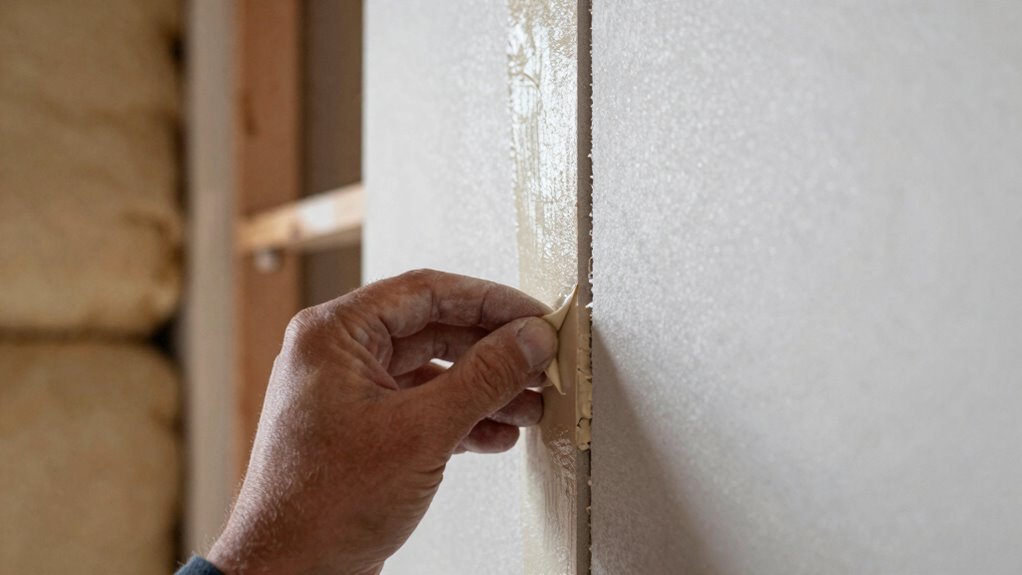

Acoustic sealant improves the hidden parts of your wall by sealing small gaps, cracks, and seams that standard insulation misses. You can apply it around outlets, baseboards, and joints where sound can leak through. It stays flexible after drying, ensuring a lasting airtight barrier that prevents noise from bypassing your insulation. This simple addition boosts your soundproofing, making spaces quieter and more peaceful. Keep exploring to discover even more ways to maximize your wall’s performance.

Get furniture and decor delivered free with Prime
- Fast, free delivery on millions of items
- Prime Video, Amazon Music and more included
- Member-only deals all year
Key Takeaways
- Seals gaps, cracks, and seams that standard insulation cannot cover, preventing sound leaks through hidden wall areas.
- Creates an airtight barrier around outlets, switches, and joints to block sound bypass.
- Remains flexible to accommodate wall movement, maintaining a consistent seal over time.
- Enhances overall soundproofing by preventing small openings from weakening insulation effectiveness.
- Provides additional benefits like dust and pest protection, improving indoor environmental quality.
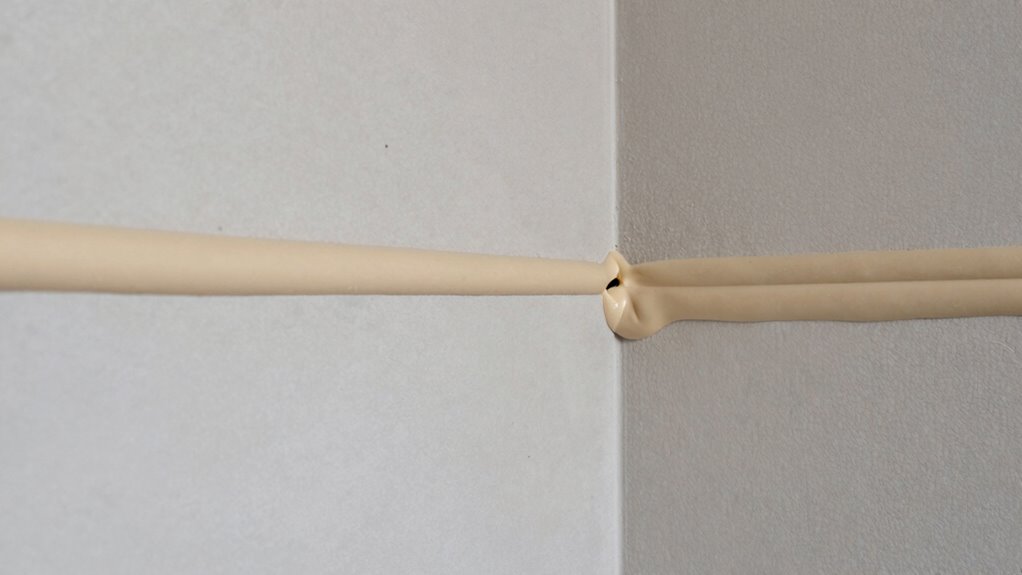
Have you ever wondered how to effectively reduce noise transmission through walls? One of the key methods involves using soundproofing techniques that target the often overlooked, hidden parts of your walls. Acoustic sealant plays a essential role here, filling in gaps, cracks, and seams that might otherwise allow sound to pass through. While wall insulation materials like fiberglass or foam are necessary for absorbing sound within the wall cavity, they can’t do much if there are tiny openings around electrical outlets, baseboards, or joints. That’s where acoustic sealant becomes invaluable, creating an airtight barrier that markedly improves soundproofing performance.
When you apply acoustic sealant, you’re effectively sealing those small, hard-to-reach areas that standard insulation might miss. This sealant remains flexible after curing, which is indispensable because walls shift and settle over time. Its flexibility prevents cracks from forming, maintaining a tight seal that keeps noise where it belongs—inside or outside the room, not leaking through weak spots. Using acoustic sealant enhances your soundproofing techniques, making your wall insulation materials more effective overall. It’s a simple step that yields noticeable results, especially in spaces where noise control matters, like bedrooms, home theaters, or offices.
The benefit of acoustic sealant extends beyond just blocking sound. It also improves the energy efficiency of your home by preventing drafts, which can be a common problem around electrical outlets and switches. Plus, sealing these gaps helps protect against dust, pests, and humidity, creating a healthier indoor environment. Applying the sealant is straightforward: you simply squeeze it into the gaps, smooth it out with a putty knife or your finger, and let it cure. Once dry, it forms a durable, airtight barrier that complements your existing wall insulation materials.
In essence, acoustic sealant is an indispensable component of a detailed soundproofing strategy. It fills the tiny imperfections that often go unnoticed but can markedly weaken your walls’ ability to block sound. When combined with effective wall insulation materials, it maximizes noise reduction. You’ll notice a quieter, more peaceful space, free from external disturbances or internal noise bleed. This simple addition enhances the overall integrity of your soundproofing efforts, proving that sometimes, the smallest details make the biggest difference in creating a calm and quiet environment.
As an affiliate, we earn on qualifying purchases.
Frequently Asked Questions
How Long Does Acoustic Sealant Typically Last?
Acoustic sealant typically lasts around 10 to 20 years, depending on factors like application quality and environmental conditions. Its durability lifespan can be extended with proper sealant maintenance, such as regular inspections and reapplication when needed. You should monitor for cracks or deterioration, ensuring your wall’s soundproofing remains effective. Proper upkeep helps maximize the sealant’s effectiveness and longevity, keeping your space quiet for years to come.
Is Acoustic Sealant Resistant to Mold and Mildew?
Yes, acoustic sealant is often resistant to mold and mildew, making it suitable for areas prone to moisture. Its mold resistance helps prevent the growth of fungi, which can cause health issues and damage over time. By providing mildew prevention, it maintains a clean, durable seal, ensuring your walls stay protected and soundproofed longer. Always check the product specifications to confirm its mold resistance and suitability for your environment.
Can Acoustic Sealant Be Painted Over?
Yes, you can paint over acoustic sealant, but it’s like adding a fresh coat of paint to a blank canvas—you need proper preparation. Make sure the sealant has fully cured, then use paint compatible with the sealant type. Apply with smooth, even strokes using good application techniques to avoid cracking or peeling. This way, your wall remains both soundproofed and visually appealing, blending seamlessly into your space.
What Are the Environmental Impacts of Acoustic Sealant?
Acoustic sealant’s environmental impacts depend on its formulation. Eco-friendly formulations reduce VOC emissions, making them safer for your indoor air quality and the environment. When choosing sealants, look for products labeled low-VOC or VOC-free, as these emit fewer harmful chemicals. Using such environmentally conscious sealants helps minimize air pollution and health risks, ensuring your soundproofing project is both effective and sustainable.
How Does Acoustic Sealant Compare to Traditional Caulking?
Acoustic sealant outperforms traditional caulking in noise reduction and soundproofing effectiveness. You’ll notice better sealing of gaps and cracks, which minimizes sound leaks and enhances overall acoustic insulation. Unlike regular caulking, acoustic sealant remains flexible and durable over time, maintaining its sealing properties. This guarantees a quieter environment, making it ideal for soundproofing walls, rooms, or spaces where noise control is a priority.
soundproofing sealant for outlets
As an affiliate, we earn on qualifying purchases.
As an affiliate, we earn on qualifying purchases.
Conclusion
Using acoustic sealant on those hidden parts of your wall can notably boost soundproofing. It’s a simple fix that fills gaps and prevents noise leaks, making your space quieter and more comfortable. Did you know that sealing even 1% of a wall’s surface can reduce noise transmission by up to 50%? So, don’t overlook those small gaps—they make a big difference. Apply acoustic sealant today and enjoy a quieter, more peaceful environment.
As an affiliate, we earn on qualifying purchases.
door and window acoustic sealant
As an affiliate, we earn on qualifying purchases.
As an affiliate, we earn on qualifying purchases.
Halloween Picks
halloween
As an affiliate, we earn on qualifying purchases.