TL;DR

Get furniture and decor delivered free with Prime
- Fast, free delivery on millions of items
- Prime Video, Amazon Music and more included
- Member-only deals all year
A Livingetc report describes a design trend in which sculptural chairs that are not especially comfortable serve as visual accents. Designers quoted in the report say one such chair can add contrast and shift a room’s mood, but the advice is an aesthetic opinion, not a requirement for every home.
Livingetc has reported on a design trend that puts sculptural, less-comfortable chairs in homes as visual accents rather than places to sit for long periods. Designer Anahita Rigby argues that one such chair can make a room feel more refined, though the suggestion is a matter of design taste, not a practical rule for homeowners.
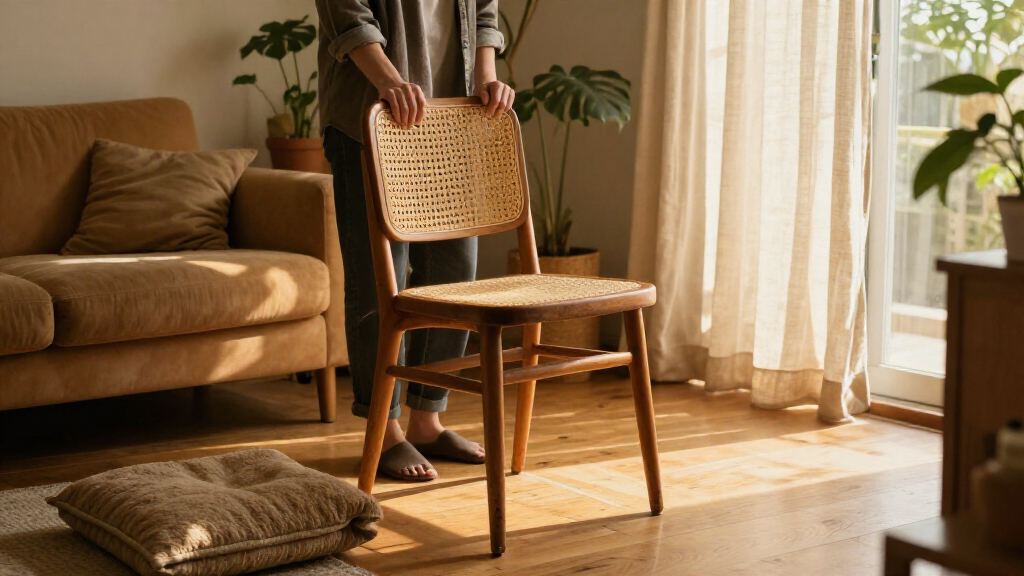
The report contrasts the chairs with the soft, lounge-friendly seating that has featured in many recent conversations with designers. These pieces are chosen for their shape and presence, not because they invite people to settle in. Their purpose, according to the designers quoted, is to draw the eye and add a different note to a room filled with more comfortable furnishings.
Rigby describes chairs as expressive accents that can focus attention. She says there is beauty in a chair that is “dysfunctional” because it has a sculptural form, while stressing that this does not mean every seat in a home should be uncomfortable. Her recommendation is for at least one statement chair to bring contrast and refinement to an interior.
Sarah Stemp, co-founder of Sascal Studio, says an uncomfortable chair in her living room makes the space feel more considered and balances its softer elements. The report suggests placing these chairs in areas where people are not expected to lounge, including a hallway corner, beside a bookshelf, or in an informal dining room. It says they are not typically intended as the seat in front of a television.
How One Chair Changes a Room
The idea matters as a small but visible shift in how a room can be furnished: comfort is not the sole measure of a chair’s value. A piece can function as sculpture, create a focal point, and add contrast to softer furniture. That can be useful for readers deciding how to make a room feel more distinctive without replacing all of its furnishings.
The designers’ claims about mood and behavior are their interpretations of design, not findings from a study cited in the report. Rigby says an unexpected artistic chair can make people stand straighter and behave differently; Stemp says her own chair makes her living room feel more dynamic. Neither claim establishes that an uncomfortable chair will have the same effect in every home.
The distinction is practical as well as visual. A chair meant to be looked at may work in a passing area or as an accent, while a reading spot, dining area, or television space usually needs seating suited to its intended use. The report’s advice is therefore best read as a styling suggestion, not a reason to sacrifice comfort where people regularly sit.
sculptural accent chair modern statement chair
As an affiliate, we earn on qualifying purchases.
As an affiliate, we earn on qualifying purchases.
From Lounge Seating to Sculptural Accents
Livingetc frames the chair as a micro trend that runs against a recent emphasis on comfortable shapes and tactile materials. The report does not say that comfortable furniture is disappearing; instead, it presents the sculptural chair as a contrast to the rest of a room, where softer pieces can remain the main seating.
Designer Simone Haag compares the finishing touch to an unexpected detail in an outfit, describing it as a “collar flick” moment. Her analogy is that a small, confident variation can change the overall impression. The report also names a range of chairs in a shopping edit, but it provides no sales figures or other data showing how widely the trend has been adopted.
““The uncomfortable chair I added to my living room definitely makes the space feel more considered, balancing the softer energy it already had to seem more dynamic.””
— Sarah Stemp, co-founder of Sascal Studio
designer accent chair artistic wood or metal frame
As an affiliate, we earn on qualifying purchases.
As an affiliate, we earn on qualifying purchases.
How Broad Is the Chair Trend?
The report does not provide survey data, sales figures, or market research to establish how common these chairs are, so the trend’s reach is unclear. It also does not set out a test for what counts as “uncomfortable”; that description appears to refer broadly to sculptural seats that prioritize form over extended use.
Claims that such furniture changes occupants’ posture or behavior are attributed to designers and are not independently measured in the source. It is also unclear whether the trend will persist or influence wider furniture choices. The report offers examples and professional opinions, not evidence that every home needs one.
small accent chair for hallway or bookshelf corner
As an affiliate, we earn on qualifying purchases.
As an affiliate, we earn on qualifying purchases.
A Styling Choice, Not a Rule
For now, the source presents the uncomfortable chair as an optional accent for people who want a sculptural focal point. The report does not announce a product launch, formal industry initiative, or upcoming milestone, and it gives no forecast for how long the trend may last.
Readers considering the idea can match the chair to the room’s purpose: use a statement piece where it can be appreciated without making a frequently used seat less functional. Whether designers continue to favor the look, and whether it becomes more common in homes, remains to be seen.
upholstered accent chair with sculptural silhouette
As an affiliate, we earn on qualifying purchases.
As an affiliate, we earn on qualifying purchases.
Key Questions
What does Livingetc mean by an “uncomfortable chair”?
It refers to a sculptural chair selected mainly for its appearance, rather than for long periods of sitting. The report does not define a specific level of comfort or identify a formal category of furniture.
Are designers saying every chair in a home should be uncomfortable?
No. Rigby explicitly says she is not recommending that every seat be uninviting. Her suggestion is to include one contrasting chair among more comfortable furnishings.
Where might a statement chair be placed?
The report suggests a hallway corner, a spot near a bookshelf, or an informal dining area. It says these chairs are generally not intended for a place where people expect to lounge, such as in front of a television.
Is there evidence that an uncomfortable chair improves a room?
The source offers designers’ opinions and personal experience, not research measuring the effect. Whether a particular chair improves a space is subjective and depends on the room and its use.
Source: rss
Halloween Picks
halloween
As an affiliate, we earn on qualifying purchases.