
TL;DR
Vacuum-formed signage, a distinctive 3D plastic sign style originating in the 1950s, is gaining renewed attention. Its history, design, and cultural impact are being explored, with ongoing interest from collectors and small businesses.
Interest in vacuum-formed signage has resurged as collectors, historians, and small businesses revisit this iconic style, which originated in the 1950s and became a staple of American Main Street advertising.
Vacuum-formed signs are 3D plastic signs with embossed letters, first developed in the 1950s using advances in plastics and manufacturing technology. These signs became popular among small businesses for their durability, affordability, and eye-catching design, often featuring bright lighting and bold shapes.
Key figures in their development include Conrad Escalante and Kozy Boren, who pioneered the ‘Superior Arrow’ sign in the late 1950s, and later, Kozy Boren’s acquisition of Gulf Development, which rebranded as Signtronix. By 2000, the company produced over 500,000 signs, many with generic, reusable designs for small businesses.
Recently, online forums and collectors’ groups have renewed interest in these signs, highlighting their cultural significance and distinctive aesthetic, which has become a nostalgic symbol of American roadside and storefront advertising.
Cultural and Commercial Impact of Vacuum-Form Signs
This renewed focus underscores the importance of vacuum-formed signage as a symbol of mid-century Americana and small business branding. Their distinctive design has cultural resonance, and understanding their history offers insights into American advertising evolution. For small businesses, these signs represent a cost-effective way to attract attention, and their collectible status is growing among enthusiasts. The revival also raises awareness about preserving this unique form of sign-making as a part of local history and design heritage.

Duco ABS Plastic Sheet 1/8" (3mm) Thick 6" x 6" – 2 Pack of USA-Made Textured & Matte ABS Black Sheet – Heat Moldable Plastic Panel for Home Decor, Crafts, Robotics, DIY Projects and Industrial
USA-MADE ABS SHEETS – Duco’s 1/8" ABS plastic sheets are made in the USA and designed for strong…
As an affiliate, we earn on qualifying purchases.
As an affiliate, we earn on qualifying purchases.
History and Evolution of Vacuum-Form Signage
Vacuum-formed signs emerged in the 1950s, driven by advances in plastics and manufacturing technology developed during WWII. Early companies like Timely Products and Embosograf pioneered mass production for larger clients, but it was Southern California entrepreneurs like Conrad Escalante and Kozy Boren who popularized affordable signs for small businesses.
In the late 1950s, Boren and Escalante created the ‘Superior Arrow’ to help small businesses attract attention at night. Boren later purchased Gulf Development, which became Signtronix, a major producer of vacuum-formed signs that produced over half a million signs by 2000. Their designs often included generic, reusable templates, making them a staple of American Main Street.
“These signs are a true reflection of mid-century American optimism and entrepreneurial spirit. They’re more than signage; they’re cultural artifacts.”
— Sign collector and historian
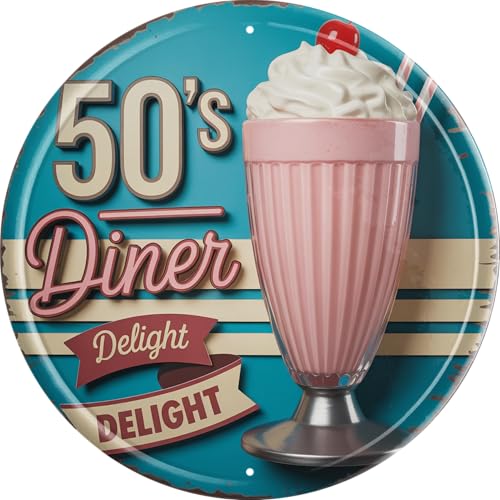
AWISZZZ 50s Diner Delight Metal Sign 8x8in Round Retro Plaque for Kitchen Wall Decor Vintage Gift
Dimensions: Retro diner plaque
As an affiliate, we earn on qualifying purchases.
As an affiliate, we earn on qualifying purchases.
Unclear Aspects of Current Revival and Preservation
It is not yet clear how widespread the current interest in vacuum-formed signs will become or whether efforts to preserve and restore these signs will succeed on a large scale. The extent of new production or reproduction efforts remains uncertain, as does the future of original vintage signs in collector markets.

TIMID Custom Name Metal Sign,Custom US Vacuum Truck Driver Metal Wall Art LED Light Personalized Vactor Truck Name Sign Home Decor Sewer Cleaning Service,16 color LED light
METAL SIGN SIZE: Perfect size for your choice 8 inch,10 inch,12 inch,14 inch,18 inch,24 inch,28 inch,30 inch and…
As an affiliate, we earn on qualifying purchases.
As an affiliate, we earn on qualifying purchases.
Future Trends in Vacuum-Form Signage Appreciation
Experts anticipate increased efforts to document, preserve, and possibly reproduce vacuum-formed signs, driven by collector interest and their cultural value. Museums and historical societies may begin to include these signs in exhibits, while small businesses and enthusiasts continue to celebrate their nostalgic appeal.

Lucky Lady Motor Oil Garage Pin up Girl Retro Vintage Decor Tin Sign 12X8
Material:tin/Metal
As an affiliate, we earn on qualifying purchases.
As an affiliate, we earn on qualifying purchases.
Key Questions
What exactly are vacuum-formed signs?
Vacuum-formed signs are 3D plastic signs created by heating thermoplastic sheets and drawing them into molds using a vacuum. They feature embossed letters and shapes, often illuminated, and became popular in the 1950s for their durability and affordability.
Why are vacuum-formed signs considered culturally significant?
They symbolize mid-century Americana, small business entrepreneurship, and roadside advertising. Their distinctive style evokes nostalgia and reflects a specific era of American design and commerce.
Are new vacuum-formed signs still being made today?
It is unclear how much new production is occurring. Most interest currently revolves around preservation, collection, and historical appreciation rather than mass reproduction, though some niche manufacturers may still produce them.
How can I identify a vacuum-formed sign?
Look for signs with embossed plastic letters, bright lighting, and a distinctive 3D appearance. Many signs from the mid-20th century feature generic templates like ‘GROCERY’ or ‘BAKERY,’ often with a glossy finish.
Source: Hacker News