
TL;DR

Get furniture and decor delivered free with Prime
- Fast, free delivery on millions of items
- Prime Video, Amazon Music and more included
- Member-only deals all year
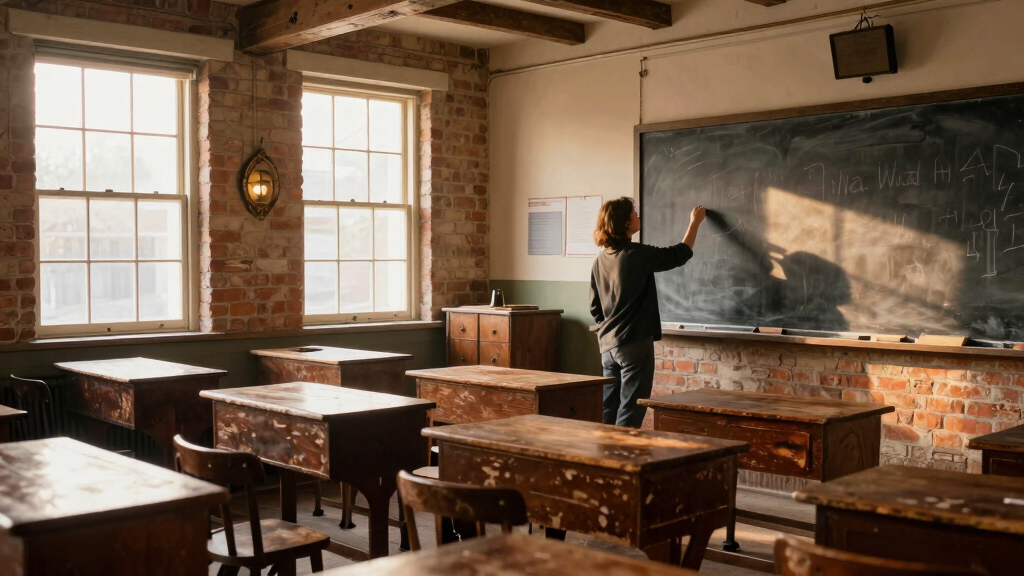
A historic 19th-century schoolhouse in Vermont has undergone a restoration that blends careful preservation with bold, craft-inspired design. The project was led by Portland-based studio Pat Austin and the homeowner, a multidisciplinary artist, emphasizing self-expression and community. The renovation maintains key historic features while adding quirky, artistic touches.
A 19th-century schoolhouse in Vermont has been restored with a craft-inspired, unconventional design that preserves its historic features while introducing playful, artistic elements. The project was led by Portland-based studio Pat Austin and the property’s owner, a multidisciplinary artist, emphasizing creative self-expression and community connection. The renovation aims to honor the building’s history while transforming it into a vibrant, inclusive space.
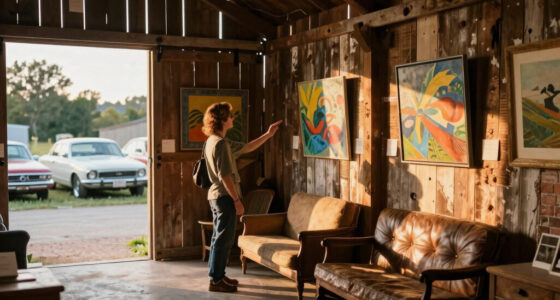
The property, originally a schoolhouse from the 1800s, was purchased by a creative homeowner who wished to blend preservation with a rebellious, craft-forward aesthetic. The restoration kept key original features such as tall classrooms and the exterior façade, while minor practical updates included a garage and a second bathroom. The interior was reimagined with playful details, including ceramic spiders, hand-shaped cushions, and vintage sculptures, reflecting the homeowner’s desire for a space that feels both historic and avant-garde.
Design studio Pat Austin collaborated with Reform to develop a color palette dubbed ‘creepy green’ for cabinetry, echoing Vermont’s foliage, and incorporated art and craft elements from emerging makers. The space features an open classroom repurposed as a guest area, a dedicated art studio, and a primary bedroom with a sculptural tub and intimate seating. The project balances preservation with creative experimentation, emphasizing community and self-expression.
Reviving Historic Spaces with Artistic Rebellion
This restoration exemplifies how historic buildings can be preserved while embracing contemporary, craft-inspired design. It highlights the importance of creative self-expression and community in adaptive reuse projects, inspiring other renovations that seek to blend tradition with individuality. The project also underscores a growing appreciation for emerging artists and makers in interior design, fostering a more inclusive creative landscape.
As an affiliate, we earn on qualifying purchases.
Historic Vermont Schoolhouse and Its Transformation Timeline
Originally built in the 19th century, the schoolhouse operated as an educational facility before falling into disrepair. The property was listed for sale at a modest price, attracting a buyer interested in both preservation and creative reinvention. The recent renovation by Pat Austin and the homeowner aimed to retain historic features such as the exterior façade and classroom structure, while infusing the interior with bold, craft-driven details. This approach reflects a broader trend of reimagining historic structures as vibrant, community-oriented spaces.
“We wanted to honor the history but also make it a space where self-expression and community could thrive. It’s about creating something weird and wonderful within these old walls.”
— Cohu, homeowner and designer
As an affiliate, we earn on qualifying purchases.
Unresolved Aspects of the Restoration Process
It is not yet clear how the community has responded to the renovation or if the project will serve as a model for similar adaptive reuse efforts. Details about long-term preservation strategies and potential future modifications remain under discussion.
As an affiliate, we earn on qualifying purchases.
Next Steps for the Schoolhouse and Community Engagement
The project team plans to host community events and art workshops in the restored schoolhouse to foster local engagement. Further updates on the building’s usage and any additional renovations are expected in the coming months, as the space begins to serve as a hub for creative and community activities.
As an affiliate, we earn on qualifying purchases.
Key Questions
What inspired the design choices for the schoolhouse restoration?
The homeowner and designers aimed to blend historic preservation with a rebellious, craft-forward aesthetic, drawing inspiration from local Vermont culture and emerging artists to create a space that feels both rooted and avant-garde.
Are there plans to open the schoolhouse to the public?
While the project currently functions as a shared retreat and art space, future plans may include community events and workshops, but official public access details have not yet been announced.
How does this project influence historic preservation practices?
This renovation demonstrates that preserving key historic features can be complemented by bold, contemporary design, encouraging a more flexible approach to adaptive reuse that celebrates creativity and community.
What role did emerging artists and makers play in the project?
The design team prioritized collaborations with lesser-known artists and craftspersons, incorporating their work into the space to promote diversity and innovation within the project.
Will the space serve as a model for future restorations?
While the project is unique in its approach, it may inspire similar efforts to blend preservation with creative experimentation, though broader adoption remains to be seen.
Source: Architectural Digest
Halloween Picks
halloween
As an affiliate, we earn on qualifying purchases.