
Old repairs show through new paint when you skip proper surface preparation. If you don’t sand and smooth rough patches, repair marks, or cracks, flaws become visible once painted over. Dirty or uneven surfaces prevent the paint from sticking well, leading to peeling or bubbling over time. Without filling dents or cracks, imperfections stand out against the new coat. Keep exploring to discover how to properly prepare surfaces for a flawless, long-lasting finish.
Key Takeaways
- Inadequate surface preparation causes uneven paint adherence, revealing underlying repairs.
- Old repair marks become visible if the surface isn’t properly smoothed before painting.
- Poor cleaning leaves dirt and grease, preventing paint from fully covering old repairs.
- Skipping filling cracks or dents results in uneven surfaces that show through the new paint.
- Failing to sand rough patches allows imperfections and old repairs to remain visible after painting.
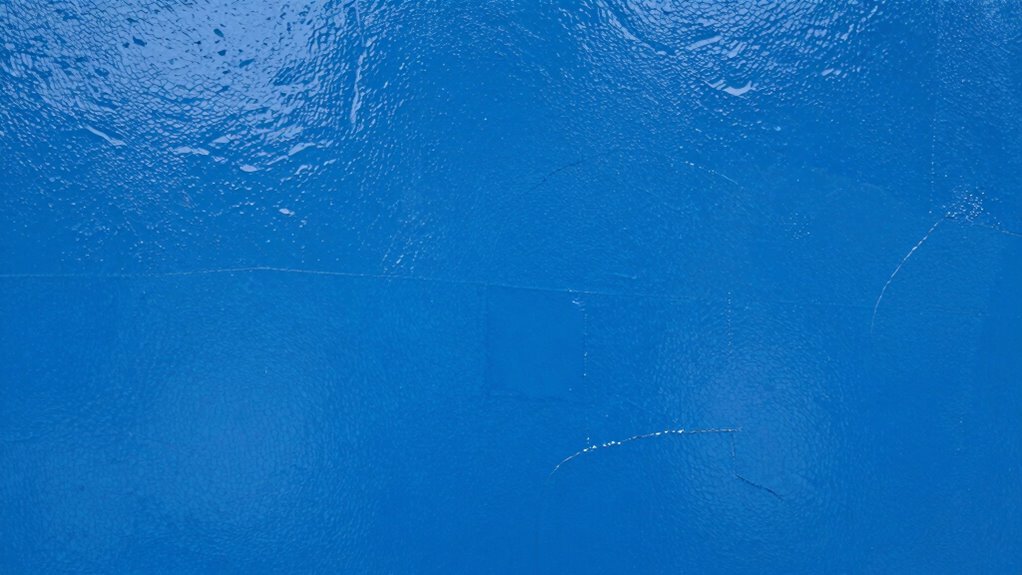
When you paint over old repairs, it’s common for the imperfections beneath to still show through the new coat. This happens because the surface isn’t properly prepared, which affects paint adhesion. If the surface isn’t smooth and clean, the paint can’t stick evenly, making flaws and old repair marks visible once the paint dries. To avoid this, surface preparation is essential. You need to sand down rough patches, fill in dents or cracks, and remove dirt or grease that might interfere with proper adhesion. Skipping these steps often leads to a patchy finish, where old repairs become obvious instead of hidden under fresh paint.
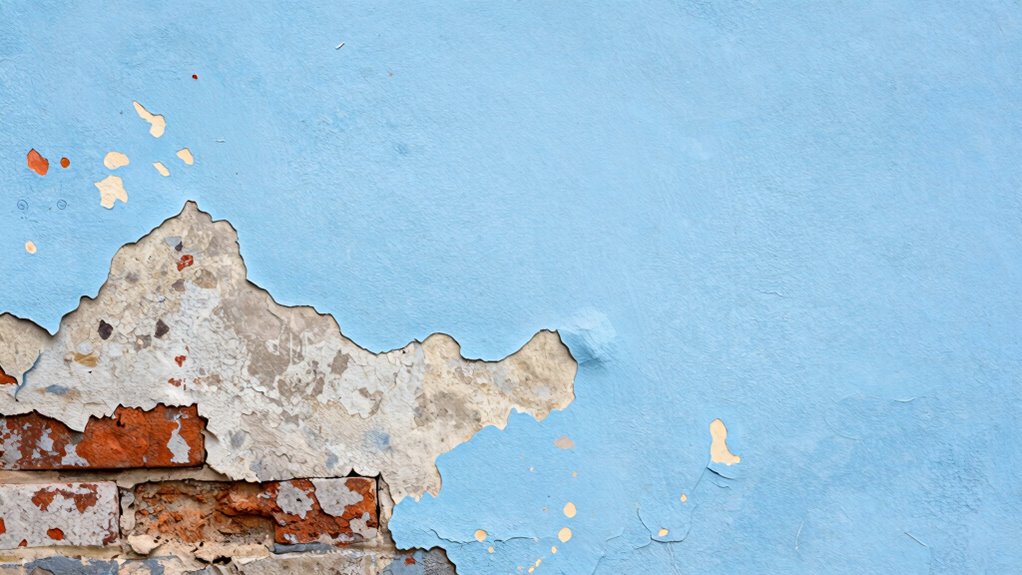
Poor surface preparation creates tiny gaps, bumps, or uneven textures that the new paint struggles to cover completely. When paint doesn’t adhere well, it can peel or bubble over time, exposing the repairs underneath. That’s why investing time in prepping the surface is vital—scraping off peeling paint, sanding rough areas, and cleaning thoroughly ensures the new coat bonds tightly. Without good adhesion, even the best paint won’t hide the imperfections. Remember, surface preparation isn’t just about making things look smooth—it’s about creating a solid foundation for the paint to stick to, which directly impacts the longevity of your paint job. Proper surface preparation is crucial to achieving a flawless finish, and understanding the importance of paint adhesion can help you avoid future disappointment. Taking the time to understand surface preparation techniques can significantly improve your results. For example, using appropriate sanding methods ensures a better bond between the old surface and the new paint. Additionally, proper surface cleaning removes contaminants that can compromise adhesion, resulting in a more durable and even finish.

Sanding Sponge, 60 80 120 220 Coarse Medium Fine Grit Sanding Block, Sander Sponges for Drywall Metal, Sandpaper Sponge Sanding Blocks for Wood 4 Pcs by S&F STEAD & FAST
Premium european high density foam – robust and durable foam sanding blocks for hand sanding
As an affiliate, we earn on qualifying purchases.
As an affiliate, we earn on qualifying purchases.
Frequently Asked Questions
Can Primer Help Hide Old Repairs Beneath New Paint?
Yes, primer can help hide old repairs beneath new paint if you choose the right type. You need a primer with good adhesion to guarantee it sticks well and seals the surface properly. Make sure the primer is compatible with your topcoat paint to prevent issues like peeling or uneven coverage. Applying a quality primer creates a smooth, uniform surface that conceals imperfections and old repairs effectively.
How Long Should I Wait Between Coats of Paint?
You should wait at least 2 to 4 hours between coats of paint to guarantee proper drying. This pause allows the paint to develop good color matching and enhances paint durability. Rushing this step can cause uneven finishes or peeling. Always follow the manufacturer’s recommended drying time on the paint can, as environmental factors like humidity and temperature can affect drying speed. Proper patience results in a smooth, long-lasting finish.
Do Different Paint Types Bond Better With Old Repairs?
Different paint types do bond better with old repairs if you choose the right ones and prepare the surface properly. For example, oil-based paints typically adhere well to previously repaired areas if you sand and prime thoroughly. Latex paints also work but require a clean, smooth surface for good paint adhesion. Proper surface preparation, like cleaning and sanding, guarantees the new paint bonds correctly, preventing old repairs from showing through.
Is Sanding Necessary Before Repainting Over Old Repairs?
Yes, sanding is necessary before repainting over old repairs. Proper surface preparation guarantees that the surface is smooth and free of imperfections, which improves paint adhesion. When you sand the repaired area, you remove any rough patches or leftover debris, creating a better bond for the new paint. Skipping this step can lead to uneven coverage, peeling, or old repairs showing through, so take the time to sand thoroughly for long-lasting and professional-looking results.
Can Humidity Affect How Old Repairs Show Through Paint?
Humidity effects can make old repairs dramatically more visible under new paint, almost like a spotlight highlighting flaws. When the air’s moisture levels are high, it can cause paint to peel, bubble, or not adhere properly, making repair visibility worse. This creates a barrier that prevents the new coat from sealing smoothly over old patches. To avoid this, paint in low humidity conditions and guarantee your repairs are thoroughly sanded and primed.

KILZ Adhesion Primer, Interior/Exterior, 1 Gallon
BONDING PRIMER: A high adhesion primer that bonds to a wide range of difficult to adhere to surfaces….
As an affiliate, we earn on qualifying purchases.
As an affiliate, we earn on qualifying purchases.
Conclusion
So, next time you freshen up a wall, remember that beneath the new coat, the subtle whispers of past repairs might still linger. Like a gentle breeze brushing through a tapestry, these traces can softly reveal themselves, reminding you that every surface has its story. Embrace the charm of these subtle hints—they add character and depth, turning your space into a quiet canvas where history and renewal beautifully intertwine.

3M Small Hole Repair High Strength, All in One Applicator Tool, 1-Pack, Quick and Easy Repair for Nicks and Nail Holes, Includes Putty Knife, Spackle, and Sanding Pad For Wall Repairs (SHR-3-AIO)
MAKES REPAIRS 3X FASTER than traditional vinyl spackling
As an affiliate, we earn on qualifying purchases.
As an affiliate, we earn on qualifying purchases.
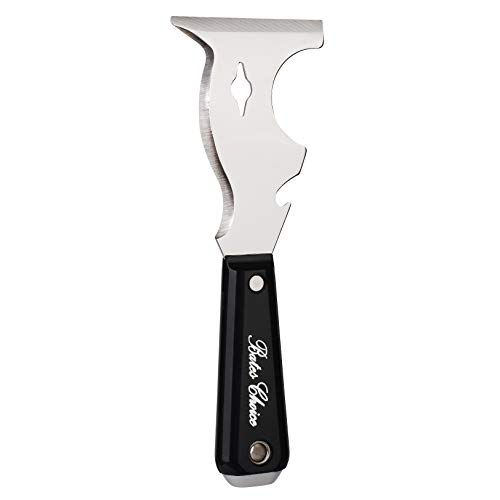
Bates- Paint Scraper, 10 in 1 Painters Tool, Scraper for Wood
Bates paint scraper tool 10 in 1 easy to use and convenient.
As an affiliate, we earn on qualifying purchases.
As an affiliate, we earn on qualifying purchases.