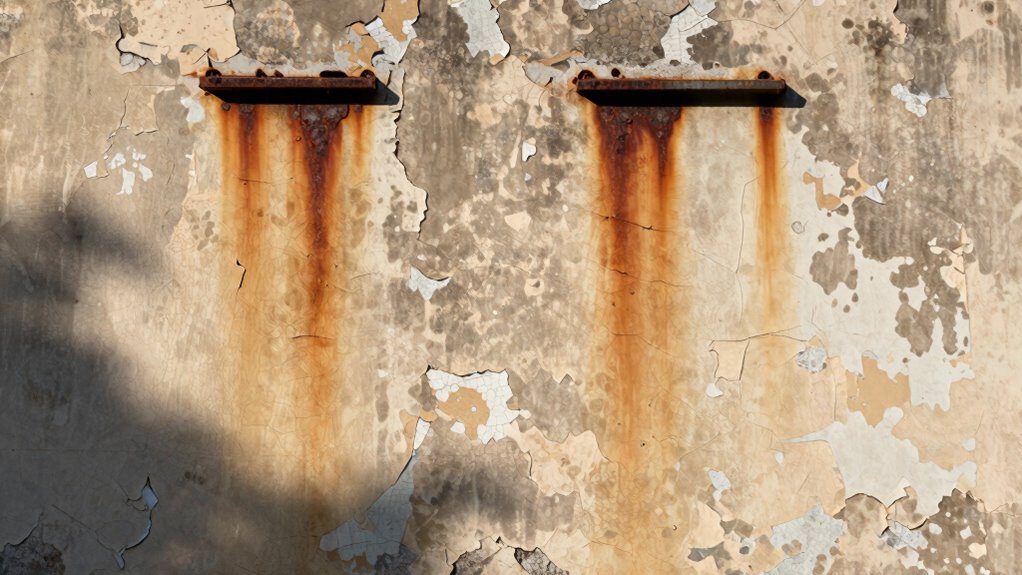
Paint often fails near exterior walls because of poor surface preparation and exposure to harsh weather conditions like rain, sun, and humidity. If the surface isn’t properly cleaned or old paint isn’t stripped, the new coat can’t adhere well and will peel or bubble prematurely. Extreme temperatures and intense sunlight accelerate paint breakdown, reducing durability. Understanding the environmental factors and application techniques that influence longevity can help you prevent these common issues. Keep exploring to discover how you can protect your paint job better.
Key Takeaways
- Inadequate surface preparation and old paint residues weaken adhesion, leading to peeling near exterior walls.
- Exposure to harsh weather, like UV rays and moisture, accelerates paint deterioration and failure.
- Using low-quality or improperly formulated paint reduces durability on exterior surfaces.
- Applying paint in unsuitable weather conditions, such as high humidity or extreme temperatures, causes bubbling and peeling.
- Lack of proper maintenance and timely touch-ups allows minor issues to worsen, increasing paint failure risk.

If you’ve noticed paint peeling or bubbling near your exterior walls, you’re not alone. Many homeowners face this issue, and often, it’s due to a combination of factors that compromise the paint’s performance over time. One of the main reasons is the lack of paint durability. Exterior paints are designed to withstand harsh weather, UV rays, and temperature fluctuations, but not all formulations are created equally. When paint isn’t formulated with high-quality materials or isn’t properly applied, it can break down faster, leading to peeling, bubbling, and even cracking. Weather exposure is relentless, and if your paint isn’t resilient enough, it simply can’t hold up against the elements, causing it to fail prematurely.
Poor-quality paint and improper application accelerate peeling and bubbling on exterior walls.
Color fading is another common problem that often goes hand-in-hand with paint failure. Over time, the vibrant hues you once loved don’t stay that way. UV rays from the sun break down the chemical bonds in the pigments, causing colors to fade and look dull. This isn’t just an aesthetic issue; it’s also a sign that the protective layer of paint is deteriorating. When the color fades, it indicates that the paint’s protective qualities are compromised, making the surface more vulnerable to moisture and other environmental damage. As the paint weakens, it becomes more prone to peeling and bubbling, especially if moisture sneaks behind the surface. Proper surface preparation and application techniques are crucial, as surface adhesion can significantly influence how well the paint lasts. You might also overlook the importance of proper surface preparation and application techniques, which are vital for maximizing paint durability. If the surface isn’t cleaned thoroughly, or if old paint isn’t properly stripped, the new coat won’t adhere well, leading to early failure. Applying paint in unsuitable weather conditions—like high humidity or extreme temperatures—can also cause issues like bubbling and uneven color fading. These mistakes can drastically reduce the lifespan of your paint job, making it more likely to fail well before it’s time. Additionally, understanding the environmental factors that contribute to paint deterioration can help you take preventative measures and extend the longevity of your exterior paint. Using the right paint formulation suited for your specific climate is essential, as it can greatly enhance the durability and appearance over time. Properly addressing surface preparation and choosing high-quality paints tailored to your environment can make a significant difference in preventing premature failure.
Ultimately, the combination of poor-quality paint, environmental stressors, and improper application are the main factors behind why paint near exterior walls often fails more quickly than expected. Understanding these factors helps you choose the right type of paint, ensure proper surface preparation, and apply it under ideal conditions. Doing so will improve the paint’s durability and help maintain its color, keeping your exterior walls looking fresh and protected for years to come.
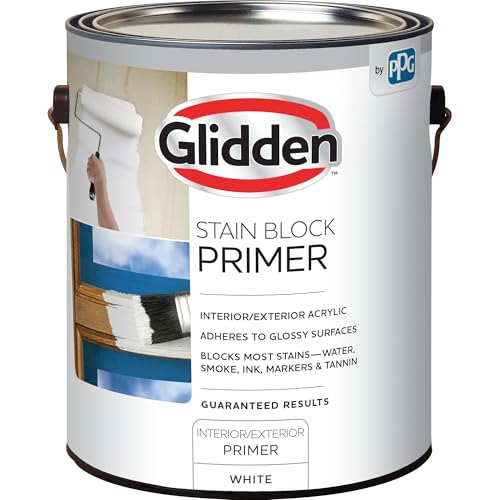
Glidden Glidden Interior/Exterior Stain Block Primer Flat, White, 1 Gallon
Interior/exterior acrylic primer
As an affiliate, we earn on qualifying purchases.
As an affiliate, we earn on qualifying purchases.
Frequently Asked Questions
How Can I Tell if Paint Failure Is Due to Moisture?
You can tell if paint failure is due to moisture by checking for dampness infiltration signs, like bubbling or peeling paint, especially after rain or humidity spikes. Use a dampness detection tool or press a plastic sheet against the wall; if moisture accumulates underneath, moisture infiltration is likely. Also, look for mold or discoloration, which are common indicators of persistent dampness causing paint to fail.
What Types of Paint Are Best for Exterior Walls?
Choosing the right exterior paint can feel like a gamble, but the best options boast superior paint durability. Opt for high-quality acrylic or elastomeric paints, which resist cracking and peeling. These paints also make color matching easier over time, preserving your home’s curb appeal. Don’t settle for less—invest in durable, weather-resistant coatings that stand up to the elements. Your walls will thank you with long-lasting beauty and protection.
How Often Should I Repaint Exterior Walls?
You should repaint your exterior walls every 5 to 10 years, depending on paint durability and climate conditions. Regularly inspect for peeling or fading, and consider color matching to refresh your look. High-quality paints with strong durability last longer, reducing how often you need to repaint. Proper preparation and choosing the right paint can extend the lifespan, helping you maintain your home’s appearance and protect it from weather damage.
Can Improper Surface Preparation Cause Paint Failure?
Improper surface preparation definitely causes paint failure. You need to thoroughly clean the surface to remove dirt, mold, and peeling paint, ensuring good adhesion. Applying a primer is equally essential, as it creates a smooth, uniform base and seals the surface. Skipping these steps can lead to peeling, cracking, or bubbling. Remember, cleaning, priming, and prepping are your best defenses against premature paint failure.
Are There Specific Weather Conditions That Accelerate Paint Failure?
Weather patterns greatly impact paint durability, accelerating failure when conditions are extreme. High humidity, heavy rain, or intense sunlight cause paint to deteriorate faster, leading to peeling or cracking. Rapid temperature fluctuations also strain the coating, weakening its adhesion. You should be aware of these weather conditions and plan your painting project accordingly, applying paint during moderate weather to guarantee better longevity and prevent premature paint failure near exterior walls.

Rust-Oleum 369384 Advanced Dry Door & Trim Paint, Quart, Satin White
Ready to use, pre-mixed door and trim paint offers a fresh new look on interior or exterior metal,…
As an affiliate, we earn on qualifying purchases.
As an affiliate, we earn on qualifying purchases.
Conclusion
So, next time you notice peeling paint near your exterior walls, remember it’s like a leaky boat taking on water—small issues can sink your entire finish if left unchecked. By understanding the common causes and acting early, you can keep your walls looking fresh and vibrant, like a shield of armor against the elements. Don’t let minor flaws grow into major problems—stay vigilant, and your paint will stand tall against the test of time.

Bates 6 Pack Plastic Putty Knife Set – Paint Scraper, Spackle Tool, Spreader
Package includes: Set of 6 with variety of size from 1.5", 2", 3", 4", 5" and 6" inches
As an affiliate, we earn on qualifying purchases.
As an affiliate, we earn on qualifying purchases.

Rust-Oleum 369383 Advanced Dry Door & Trim Paint, Quart, Satin Black
Ready to use, pre-mixed door and trim paint offers a fresh new look on interior or exterior metal,…
As an affiliate, we earn on qualifying purchases.
As an affiliate, we earn on qualifying purchases.