Many believe that making walls smoother automatically improves paint adhesion, but that’s a myth. Smooth walls don’t guarantee better results if you skip proper surface prep. Dust, oils, or cracks can still cause peeling or bubbling, no matter how polished the surface looks. The key is cleaning, sanding, filling, and priming, rather than obsessing over smoothness. If you keep these tips in mind, you’ll avoid common pitfalls and get a longer-lasting finish. Keep going to learn how to set your walls up for success.
Key Takeaways
- Smoother walls do not guarantee better paint adhesion; proper surface prep is more critical.
- Excessive smoothing can remove necessary surface texture, weakening paint bonds.
- Proper cleaning, sanding, and priming are essential regardless of wall smoothness.
- Texture can hide imperfections but requires appropriate primer for optimal adhesion.
- Focusing solely on smoothness may overlook underlying surface issues affecting durability.

Many believe that building smoother walls automatically results in better insulation and energy efficiency, but this is a misconception. The real key to a lasting, quality paint job isn’t just about achieving a flawlessly smooth surface—it’s about proper surface preparation. When you skip or rush this step, no matter how smooth the walls appear, you’re setting yourself up for adhesion problems down the line. Paint needs a clean, well-prepared surface to bond effectively. If your walls have dust, grease, or uneven patches, the paint will struggle to adhere properly, leading to peeling, bubbling, or uneven coverage. Smoothing out the surface isn’t just about aesthetics; it’s about creating an ideal foundation for the paint to stick securely.
Proper surface prep is key to lasting, durable paint—smoothness alone won’t ensure a quality finish.
The idea that a perfectly smooth wall always results in a better finish is misleading. While a uniform surface can make the paint look more polished initially, it doesn’t guarantee durability or adhesion if surface preparation has been neglected. Paint texture plays a vital role here. If you aim for a certain texture—whether smooth or textured—you need to understand how it interacts with the underlying surface. For example, a highly textured wall might hide imperfections better but could require different techniques or primer to guarantee the paint adheres evenly. Conversely, overly smooth walls, achieved through sanding or filling, may seem ideal, but if not properly cleaned of dust and debris, the smoothness becomes irrelevant because the paint won’t stick properly. Proper surface preparation is essential to ensure the paint bonds well, regardless of whether your wall has a slight texture or a very smooth finish. Additionally, the type of paint and primer used can significantly influence adhesion and durability, emphasizing the importance of selecting appropriate products for your surface.
You might think that sanding down imperfections to create a perfectly smooth surface is the best approach, but excess sanding can sometimes remove too much material or create uneven areas. The goal isn’t to eliminate all texture but to create a surface that’s clean, dry, and free of contaminants. Proper surface preparation includes washing, sanding, filling cracks, and priming when necessary. This process guarantees the paint bonds well, regardless of whether your wall has a slight texture or a very smooth finish. It’s also crucial to recognize that different surfaces may require specific preparation methods to optimize adhesion and durability. Remember, the quality of your surface preparation influences not just how the paint looks initially, but how well it withstands the test of time. surface profile and how it interacts with different paints and primers is another critical consideration for achieving durability and a professional finish.
In essence, achieving durability and a professional finish isn’t about obsessing over smoothness alone. It’s about understanding your wall’s surface and preparing it correctly. Don’t fall into the trap of thinking that smoother equals better—focus on the right surface prep, and your paint will adhere better, look more even, and last longer. The myth of the smoother wall being inherently superior is just that—a myth. Proper surface preparation, regardless of the desired paint texture, is what truly makes the difference.

812 Wall & Baseboard Cleaner Spray – Safely Cleans Painted Walls, Baseboards, Kitchen Cabinets, Doors & More | Family & Pet Friendly | Made in America | 24oz.
CLEAN PAINTED WALLS IN SECONDS Make clean-up a breeze with the family-friendly wall cleaner for painted walls and…
As an affiliate, we earn on qualifying purchases.
As an affiliate, we earn on qualifying purchases.
Frequently Asked Questions
How Does Wall Texture Affect Paint Adhesion Over Time?
Wall texture markedly affects paint adhesion over time because rough surfaces increase surface porosity, allowing better mechanical bonding, while smooth surfaces may hinder adhesion. If the texture isn’t compatible with your paint, it can cause peeling or cracking later. You need to assess surface porosity and choose paint compatible with your wall’s texture to guarantee long-lasting adhesion. Proper surface preparation tailored to your wall texture is essential for durable results.
Are Certain Wall Finishes More Prone to Adhesion Issues?
Yes, certain wall finishes are more prone to adhesion issues, especially if you skip proper surface preparation or use incompatible paint. Textured surfaces like popcorn or heavily stuccoed walls often need extra care to guarantee paint sticks well over time. Always check paint compatibility with your wall finish and thoroughly prepare the surface by cleaning and sanding. This guarantees better adhesion and reduces the risk of peeling or flaking later.
What Environmental Factors Influence Adhesion Problems?
Think of environmental factors as silent saboteurs. High humidity can weaken adhesion, causing paint or coatings to peel or bubble. Surface contaminants like dust, grease, or mold act as barriers, preventing proper bonding. You must control moisture levels and thoroughly clean surfaces before applying finishes. By addressing these factors, you guarantee a stronger, longer-lasting adhesion, turning your project from a gamble into a guaranteed success.
Can Primer Types Resolve Adhesion Issues Caused by Wall Smoothness?
Yes, primer types can resolve adhesion issues caused by wall smoothness if you focus on proper surface preparation and primer selection. You should roughen overly smooth surfaces with light sanding to improve grip. Then, choose a primer designed for glossy or slick surfaces, such as bonding or adhesion-promoting primers. This combination guarantees better adhesion, preventing peeling or flaking, regardless of how smooth the wall is.
How Do Different Paint Formulations Interact With Wall Textures?
Different paint formulations interact uniquely with wall textures based on paint chemicals and surface porosity. You’ll find that high-alkyd paints bond well on rough surfaces, filling in crevices and enhancing adhesion, while water-based paints excel on smoother walls, penetrating surface pores for better adherence. Understanding these interactions helps you choose the right paint for your wall texture, ensuring durability and a flawless finish.

Romeda 8-Pack Sanding Sponge, Four Grits Per Pack 60/80/120/220, Washable and Reusable Handmade Sandpaper Block, Drywall Sandpaper Blocks for Wooden Drywall Sheetrock and Metal Glazing
【ASSORTED GRIT SANDING BLOCKS】 8 sand blocks, 4 sizes from coarse to ultra-fine sand, 60/80/120/220 grit, 2 blocks…
As an affiliate, we earn on qualifying purchases.
As an affiliate, we earn on qualifying purchases.
Conclusion
So, next time you chase the perfect, smooth wall, remember: that myth might be your biggest obstacle. You spend all this time obsessing over a flawless surface, but ironically, it could be the very thing causing your adhesion issues. Sometimes, a little roughness isn’t a flaw—it’s the secret to success. So, embrace the imperfections; they just might be your best friends in achieving a lasting finish. Ironically, the smoother wall isn’t always the better one.
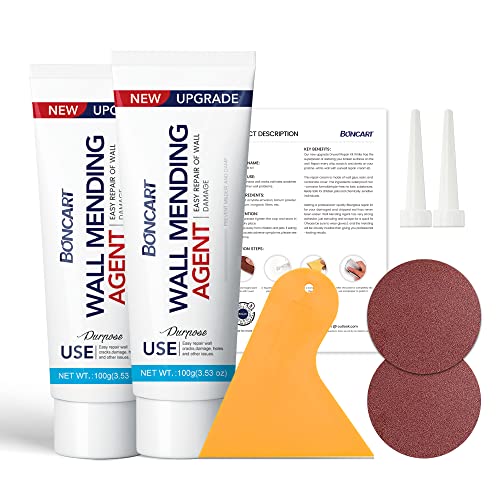
Drywall Repair Kit,2 Pack Wall Mending Agent,Wall Spackle with Scraper, Wall Surface Hole Fill Quick and Easy Solution
The drywall repair kit includes 2x Wall mending agent (100g), 2x Nozzle Extender, 1x Scrapers, and 2x Sandpaper.
As an affiliate, we earn on qualifying purchases.
As an affiliate, we earn on qualifying purchases.

Zinsser 02774 PERMA-WHITE Mold & Mildew Proof Interior Paint, Quart, Eggshell White
Self-Priming formula – requires no sanding
As an affiliate, we earn on qualifying purchases.
As an affiliate, we earn on qualifying purchases.