

South-facing rooms get lots of direct sunlight, which can make paint colors look different at various times of day. Bright sunlight can intensify warm tones or wash out cooler shades, leading you to choose a color that may not match your overall look. To avoid surprises, test swatches in your space at different times and under natural light. Keep going to discover how understanding light influences your perfect paint choice.
Key Takeaways
- South-facing rooms receive intense, warm sunlight that can make cool colors appear dull or greenish.
- Bright midday light can intensify warm tones, causing paint colors to look more vibrant or washed out.
- Testing paint swatches at different times reveals how colors shift under natural light throughout the day.
- Light reflects differently depending on paint sheen, influencing perceived color in south-facing spaces.
- Considering both natural and artificial lighting helps select colors that stay true in varying lighting conditions.
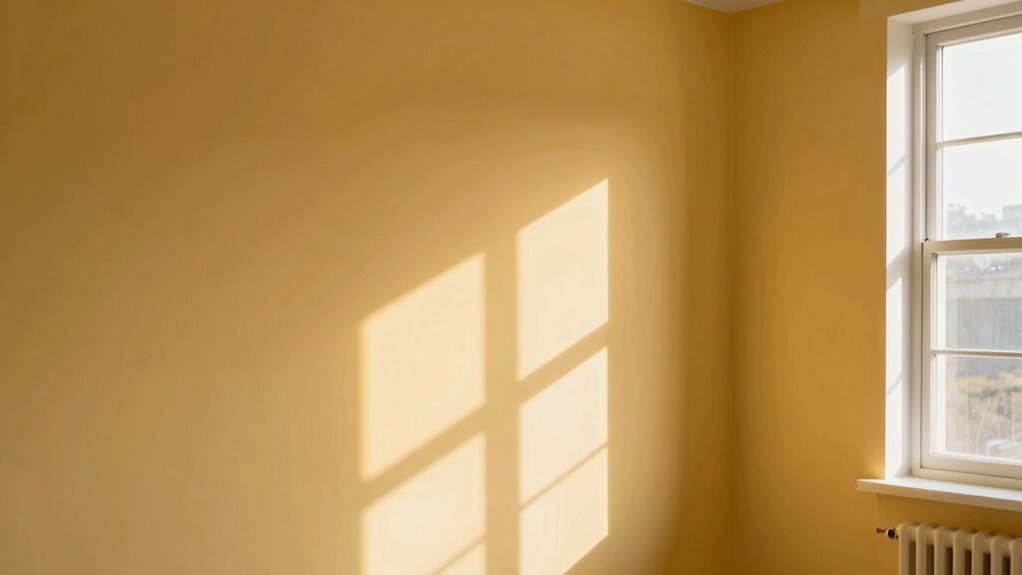
Ever wonder why your paint choices look different in various rooms? The answer often comes down to how natural light interacts with your space, especially in south-facing rooms. These rooms tend to get abundant sunlight throughout the day, which can considerably influence how paint colors appear. The key factor here is color temperature, which refers to the warmth or coolness of a color. When you select paint based on how it looks in one room, you might be surprised to find it appears completely different in another, thanks to the interplay of natural light.
South-facing rooms bask in direct sunlight, especially during midday, which tends to be warmer and more intense. This warmth can amplify the yellow, orange, and red undertones in your paint, making colors look richer or sometimes more washed out than intended. If you choose a cool-toned gray or blue without considering how natural light affects it, you might find it appears dull or even greenish in a south-facing space. Conversely, warm colors like beige or gold can become overly vibrant or too orange under the strong sunlight, losing their subtlety. The natural light in these rooms can skew your perception of a color’s true tone, leading you to pick a hue that looks perfect in the store but feels off at home.
South-facing rooms intensify warm tones, making colors appear richer or more washed out than in other lighting conditions.
To avoid these pitfalls, it’s essential to think about color temperature in relation to your room’s natural light. When selecting paint, bring home sample swatches and observe them at different times of the day—morning, noon, and evening—to see how they shift with changing light. This process helps you understand how a color’s warmth or coolness will perform in your south-facing space. Keep in mind that the intensity of natural light can make cooler colors appear more vibrant and warmer colors more muted, so test accordingly. Additionally, understanding natural light’s impact on color perception can help you make more informed choices. Recognizing how light exposure affects color will allow you to select shades that remain true to your vision throughout the day. Being aware of these effects can also influence the paint sheen you choose, as different sheens can reflect light differently and alter perceived color in a sunny room. Furthermore, considering artificial lighting options is crucial, since it can further influence how your chosen paint appears once the sun sets.
Incorporating an understanding of color temperature and natural light can also guide you in selecting complementary furniture and decor, creating a harmonious space that looks balanced regardless of the time of day. Ultimately, understanding how natural light influences color temperature will help you pick paints that look just right, no matter where you’re painting.

FoamPRO 120 Color Tester Sample Board – Paint Sample Boards for Comparing & Matching Colors – Portable Wall Paint Tester Sheets – 24-Pack
PAINT COLOR SAMPLE BOARDS – Organize paint colors while exploring and comparing them effortlessly with this 24-pack paint…
As an affiliate, we earn on qualifying purchases.
As an affiliate, we earn on qualifying purchases.
Frequently Asked Questions
How Does Sunlight Affect Paint Color Perception in South-Facing Rooms?
Sunlight influence profoundly affects your color perception in south-facing rooms. When sunlight hits the walls, it can make colors appear brighter, warmer, or even slightly different than they look under artificial light. You might think a paint color is perfect in the store, but natural sunlight can alter its appearance throughout the day. To avoid surprises, observe your chosen paint in various lighting conditions before making a final decision.
Are There Specific Paint Finishes Better for South-Facing Rooms?
Matte and eggshell finishes work best for south-facing rooms, as they absorb light and reduce glare. Did you know that lighting effects can make colors appear up to 20% warmer or cooler? Choosing paints with a higher color temperature can help balance the strong sunlight. These finishes also hide imperfections better, making your space look polished. Opt for these options to create a cozy, well-balanced environment.
How Can I Test Paint Colors Accurately Before Committing?
To test paint colors accurately, you should check the color temperature in your room’s lighting conditions. Use sample patches and observe them at different times of day to see how natural and artificial light affect the hue. Keep lighting consistent while testing, and view the samples on your walls, not on small chips. This approach helps you pick a shade that truly complements your space, avoiding surprises later.
Do South-Facing Rooms Require Different Primer or Base Coats?
You don’t need a special primer or base coat for south-facing rooms, but primer compatibility is key. Because these rooms get more sunlight, you might consider a primer with added UV protection to prevent fading. Choosing the right base coat is also important for color accuracy and durability. Always test your primer and base coat in the room to verify they work well together and withstand the sunlight exposure.
What Are Common Mistakes When Choosing Paint for Sunny Rooms?
When choosing paint for sunny rooms, you often make the mistake of ignoring color temperature, which can make your space feel too warm or too cool. You might also overlook paint durability, leading to quicker fading or damage from sunlight. To prevent this, pick paints with UV resistance and consider cooler tones that reflect sunlight. This guarantees your room stays vibrant and inviting, even in bright, sunny conditions.

DecoArt DASK276 Patio Paint Sample Pack
Product Length : Inches 7.5
As an affiliate, we earn on qualifying purchases.
As an affiliate, we earn on qualifying purchases.
Conclusion
Remember, south-facing rooms reflect more warm, yellowish light, which can make paint colors look different than they actually are. Did you know that 68% of homeowners choose the wrong paint color because they relied on natural light without testing? To avoid costly mistakes, always test paint samples at different times of day. Trust your eyes, but verify with samples—your walls will thank you for it!
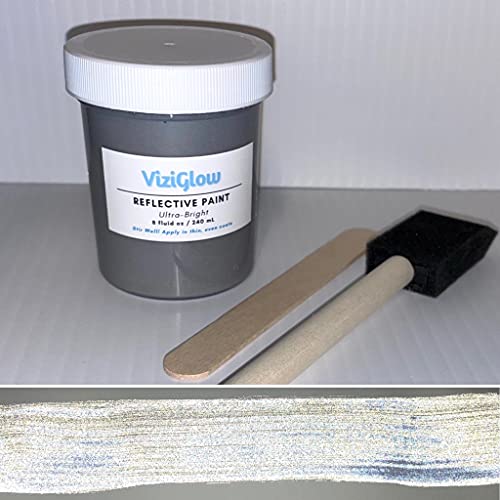
Ultra Bright Reflective Paint – high-visibility, reflective, paint solution, outdoor use (8 oz)
Ultra-Bright Reflective Paint Solution
As an affiliate, we earn on qualifying purchases.
As an affiliate, we earn on qualifying purchases.

Taming the Dragon: America's Most Dangerous Highway
As an affiliate, we earn on qualifying purchases.
As an affiliate, we earn on qualifying purchases.