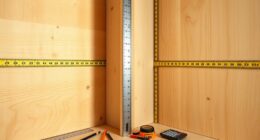
To create a box grid layout for geometric panel walls, start by measuring your wall carefully to determine panel sizes that suit your space. Use spacers and level tools to guarantee precise alignment and uniform gaps. Mix textures or materials within the grid for added visual interest, and consider recessed or raised panels for dimension. With attention to detail, you can design a striking feature wall that combines modern style and structural harmony—keep exploring for more ideas.
Key Takeaways
- Use precise measurements and spacers to ensure uniform panel size and alignment in the grid layout.
- Plan panel dimensions based on room scale for either intricate detail or bold minimalism.
- Incorporate varied textures or materials within the grid for visual contrast and dynamic interest.
- Employ recessed panels or raised borders to add depth and sophistication to the box grid design.
- Focus on proper leveling and spacing to maintain geometric harmony and a polished appearance.
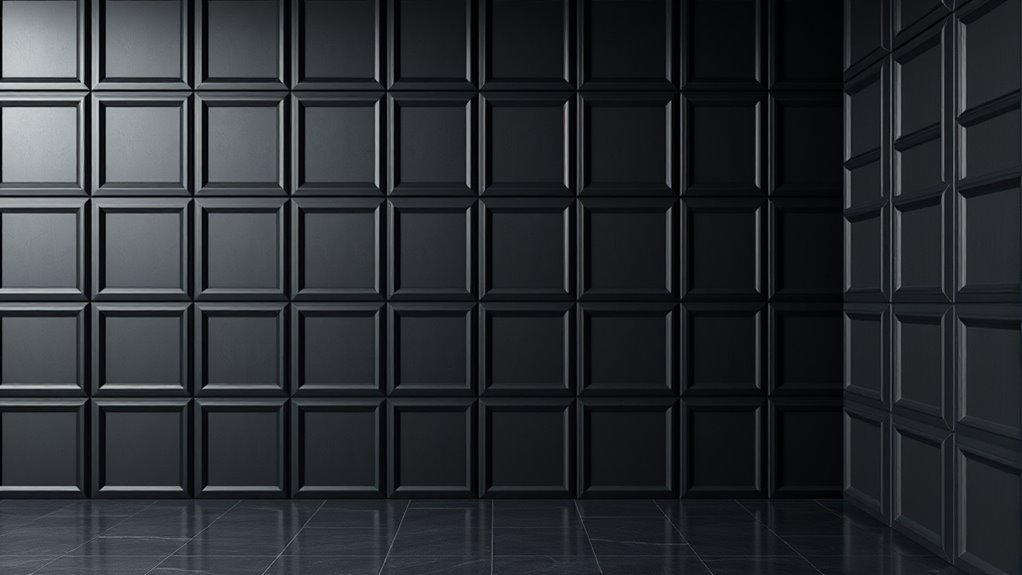
Geometric panel walls are a striking design feature that can transform any space with their bold shapes and clean lines. When you incorporate panel wall textures into your design, you add depth and visual interest that instantly elevates the room’s aesthetic. One of the most popular methods to achieve this is through box grid layout techniques, which offer a modern, organized look that’s both functional and stylish. These layouts involve dividing your wall into a series of evenly spaced rectangular or square panels, creating a structured yet dynamic visual effect.
Using a box grid layout is straightforward, but it requires careful planning to ensure perfect alignment and proportion. You’ll start by measuring your wall carefully to determine the size of each panel, keeping in mind the overall scale of the room. Smaller panels can make a space feel more intricate and detailed, while larger panels deliver a bold, minimalist statement. Once you’ve established your panel dimensions, you can choose from various panel wall textures to enhance the design. Smooth, lacquered surfaces lend a sleek, contemporary vibe, while textured wood or 3D panels introduce warmth and tactile interest. Combining different textures within the grid can also create a dynamic contrast that catches the eye and adds layer to your design inspiration.
Careful measurement and varied textures create dynamic, balanced geometric wall panels that enhance any space.
For a truly eye-catching effect, consider alternating panel textures within the grid. For example, pairing glossy panels with matte or textured ones can break the uniformity and bring a sense of movement to the wall. This approach works especially well in modern or industrial interiors, where contrast and material diversity are key design elements. When installing the panels, precision is essential—using spacers and level tools ensures each line stays straight and consistent, reinforcing the geometric harmony. You might also explore different framing options, such as recessed panels or raised borders, to add more dimension and sophistication to your box grid layout.
The beauty of geometric panel walls lies not just in their aesthetic appeal but also in their versatility. Whether you’re decorating a feature wall in your living room, creating a statement behind a bed, or adding architectural interest to a commercial space, these panel wall textures and layout methods give you endless possibilities. They allow you to draw inspiration from contemporary design trends while customizing the arrangement to suit your personal style. With a little planning and attention to detail, you’ll craft a stunning feature that combines form and function seamlessly, making your space uniquely yours.
Incorporating precise measurements into your layout process is essential to ensure your panels align perfectly and create a cohesive look.
Frequently Asked Questions
How Do I Choose the Best Grid Size for My Space?
To select the best grid size for your space, consider your material options and how they influence scale. Smaller grids work well in tight areas or for detailed designs, while larger grids suit open spaces for a bold statement. Installation tips include measuring carefully and using level tools. Test different sizes with paper templates first to see what fits best. This approach guarantees a balanced, visually appealing geometric panel wall.
Can Geometric Panel Walls Be Customized With Different Materials?
Yes, you can customize geometric panel walls with different materials. This material versatility allows you to achieve unique looks and suit your style or functionality needs. You can select from wood, metal, fabric, or even acrylic for design customization. By mixing materials, you enhance the visual interest and tailor the walls to your space, creating a personalized and dynamic environment.
What Maintenance Is Required for Box Grid Panel Installations?
Hold onto your bowler hat—your box grid panel installation needs minimal upkeep. Regular cleaning procedures involve dusting and wiping with a damp cloth to keep it looking sharp. If you notice any dents or damage, repair techniques like patching or replacing affected panels will do the trick. Keep an eye on joints and fasteners, tightening or fixing as needed to make certain your geometric wall stays pristine and functional over time.
Are There Weight Restrictions for Wall-Mounted Geometric Panels?
Yes, there are weight restrictions for wall-mounted geometric panels. You need to take into account panel weight and verify your wall structure can support it. Always check the material compatibility, as heavier panels made from dense materials require stronger mounting systems. If you exceed recommended weight limits, the panels might loosen or damage your wall, so consult manufacturer guidelines to prevent issues and ensure safe, long-lasting installation.
How Do I Integrate Lighting Within Geometric Panel Wall Designs?
Imagine transforming your geometric panel wall into a mesmerizing feature by seamlessly integrating lighting. You can embed LED strips or spotlights within the panels to achieve ambient illumination that enhances the design. Use hidden channels or recessed fixtures to maintain clean lines and avoid disrupting the geometric pattern. This clever integration not only highlights your wall’s structure but also creates an inviting atmosphere, elevating your space’s overall aesthetic effortlessly.
Conclusion
Now that you know the nuances of steering niche nuances, you’re ready to design daring, delightful, and dynamic geometric panel walls. By mastering box grid layouts and bold breakthroughs, you can create engaging, contemporary spaces that charm and challenge. Let your creativity collide with clever calculations, and watch your walls wow with wonder. With these methods in your mastery, your masterpiece is just a design decision away—so explore and demonstrate your daring design dedication!