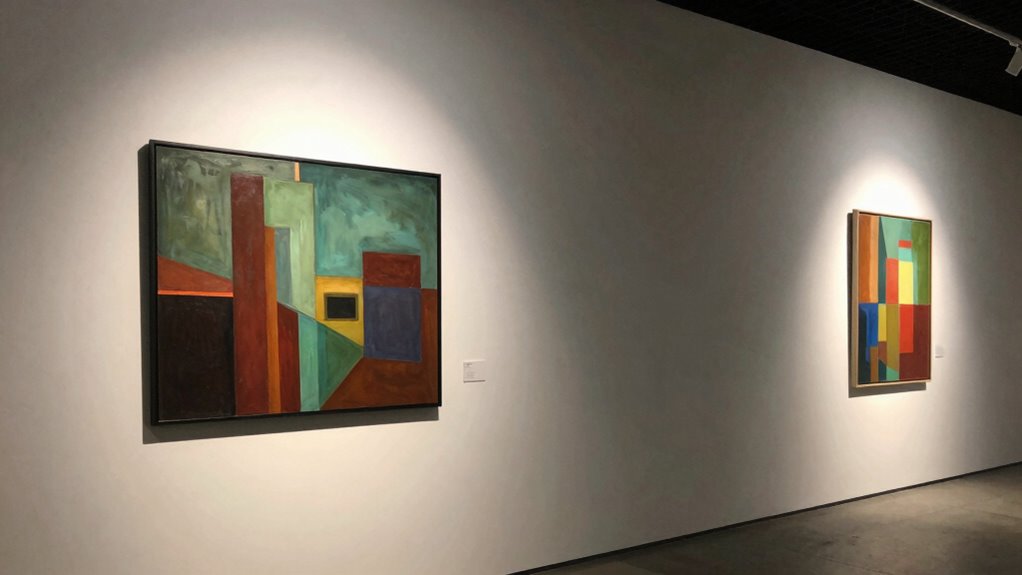

If you want to flatter art, consider using wall washing for an even, soft glow that highlights entire surfaces and creates a welcoming atmosphere. Spot lighting, on the other hand, offers focused beams that emphasize textures and details, making artworks pop. Combining both techniques can give your space layered, dynamic lighting. To learn how to choose the best approach for your art, keep exploring the details below.

Get furniture and decor delivered free with Prime
- Fast, free delivery on millions of items
- Prime Video, Amazon Music and more included
- Member-only deals all year
Key Takeaways
- Wall washing provides even, diffuse light that enhances overall artwork appearance without harsh shadows.
- Spot lighting creates focused, intense beams that highlight textures and details in art pieces.
- Combining both techniques offers balanced illumination, emphasizing focal points while maintaining ambient coverage.
- Warm color temperatures complement artworks in cozy settings, while cooler tones enhance vibrancy and detail.
- Proper placement and beam angles are essential to avoid glare and ensure art is flatteringly lit.
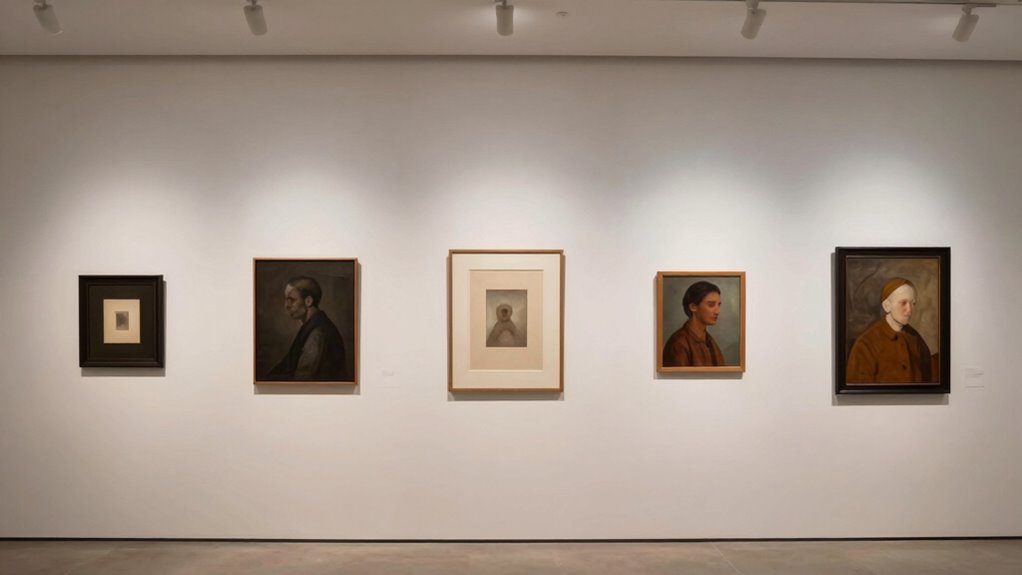
When choosing lighting for a space, understanding the differences between wall washing and spot lighting can make a big impact on the ambiance and functionality. Both techniques serve distinct purposes, especially when it comes to highlighting art or creating mood. Wall washing involves spreading light evenly across a large surface, providing a smooth, consistent glow that bathes the entire wall. This method is ideal for achieving ambient illumination, where you want to soften shadows and create a welcoming, open atmosphere. When selecting fixtures for wall washing, pay attention to the color temperature, which influences the overall feel of the room. A warmer color temperature (around 2700K to 3000K) produces a cozy, inviting glow, perfect for living rooms or galleries aiming for a relaxed vibe. Cooler temperatures (around 4000K to 5000K) tend to offer a crisper, more clinical look, suited for modern spaces or areas where clarity is essential. Additionally, understanding the lighting techniques can help you better tailor your space to your aesthetic goals. Using dimmable fixtures can also provide greater control over the lighting ambiance, allowing you to adjust the mood as needed. For example, adjustable lighting can be crucial when different activities require varying atmospheres within the same space.
Spot lighting, on the other hand, directs focused beams of light onto specific objects or areas, emphasizing details and textures. It’s perfect for showcasing artwork, sculptures, or architectural features, making the details pop and attracting attention. When you use spotlights, the contrast between illuminated and shadowed areas becomes more pronounced, drawing the eye precisely where you want it. The key here is to balance the intensity and angle of the beam to avoid harsh shadows or glare that could detract from the art. As with wall washing, the color temperature plays a vital role. A slightly cooler or neutral tone can make colors in artworks appear more vibrant, while warmer tones can create a cozy, intimate setting that complements the piece. Proper lighting placement is essential to achieve the desired effect without overwhelming the artwork or space. Proper placement can also help in reducing glare and ensuring the lighting enhances rather than distracts from the focal points.
Choosing between wall washing and spot lighting depends on your primary goal. If you want a subtle, overall glow that enhances the entire wall and creates an ambient background, wall washing is your best bet. It’s especially effective in large, open spaces where uniform illumination is desirable. Conversely, if you aim to spotlight specific artworks or architectural features, spot lighting gives you the precision needed to make those elements stand out. You might even combine both techniques for a layered effect: wall washing to set a soft ambiance and spotlights to highlight focal points. Considering the impact of lighting design can help you achieve a harmonious and functional environment that complements your art collection. By considering the effects of ambient illumination, the impact of color temperature, and the specific attributes of each lighting style, you can craft a space that flatters your art and elevates your environment.
As an affiliate, we earn on qualifying purchases.
Frequently Asked Questions
Which Lighting Technique Is More Energy-Efficient for Art Displays?
Spot lighting tends to be more energy-efficient for art displays because it directs light precisely where needed, reducing overall energy consumption. By focusing light on specific pieces, you minimize waste, which offers sustainability benefits. Wall washing, while providing broad illumination, uses more energy to light large areas evenly. Choosing spot lighting helps you conserve energy, support sustainability, and highlight your artwork effectively without unnecessary power use.
Can Wall Washing Damage or Fade Art Over Time?
Like the gentle touch of a caring guardian, wall washing can gradually guarantee art damage if not carefully managed. Excessive or improper light exposure accelerates fading and deterioration, threatening art preservation over time. To protect your pieces, confirm proper lighting techniques, use dimmable fixtures, and avoid prolonged exposure. Thoughtful lighting safeguards your art’s vibrancy and longevity, allowing it to be appreciated for generations without fear of fading or damage.
How Do Wall Washing and Spot Lighting Affect Room Ambiance?
Wall washing creates a soft, even light that brightens the room and enhances a cozy ambiance, thanks to its gentle light diffusion and adjustable color temperature options. Spot lighting adds focused, dramatic highlights, making certain areas or art pieces stand out, but it can create sharper shadows that might feel less inviting. Your choice affects the room’s mood—so consider how light diffusion and color temperature influence the overall ambiance you want.
Are There Specific Art Styles Better Suited for Each Lighting Method?
Certain art styles are better suited for each lighting method based on art style compatibility and lighting effect enhancement. For example, wall washing enhances detailed, intricate pieces like watercolor or abstract art by providing even illumination, while spot lighting highlights textures and depth in sculptures or oil paintings. You should choose the lighting that best complements your art’s style and desired visual impact, creating a harmonious display.
What Are the Cost Differences Between Installing Wall Washing and Spot Lighting?
The cost comparison shows that wall washing usually costs less upfront because it involves installing a few broad light fixtures, while spot lighting requires multiple adjustable fixtures, increasing installation expenses. You’ll spend more on spot lighting due to its complexity and higher equipment costs. However, consider long-term benefits like flexibility and focus; investing in spot lighting might be worth it if you want to highlight specific artworks.
adjustable spotlights for artwork
As an affiliate, we earn on qualifying purchases.
As an affiliate, we earn on qualifying purchases.
Conclusion
Ultimately, the choice between wall washing and spot lighting gently guides your art’s display, each offering its own subtle charm. Wall washing creates a soft, inviting glow that whispers elegance, while spot lighting highlights details with a delicate touch of drama. Think of it as choosing a dance partner—both can beautifully showcase your pieces, but it’s the mood you wish to evoke that will gently steer your decision. Whichever you select, your art will certainly shine in its own understated way.
As an affiliate, we earn on qualifying purchases.
As an affiliate, we earn on qualifying purchases.
Evergreen bestsellers Picks
bestsellers
As an affiliate, we earn on qualifying purchases.