
TL;DR

Get furniture and decor delivered free with Prime
- Fast, free delivery on millions of items
- Prime Video, Amazon Music and more included
- Member-only deals all year
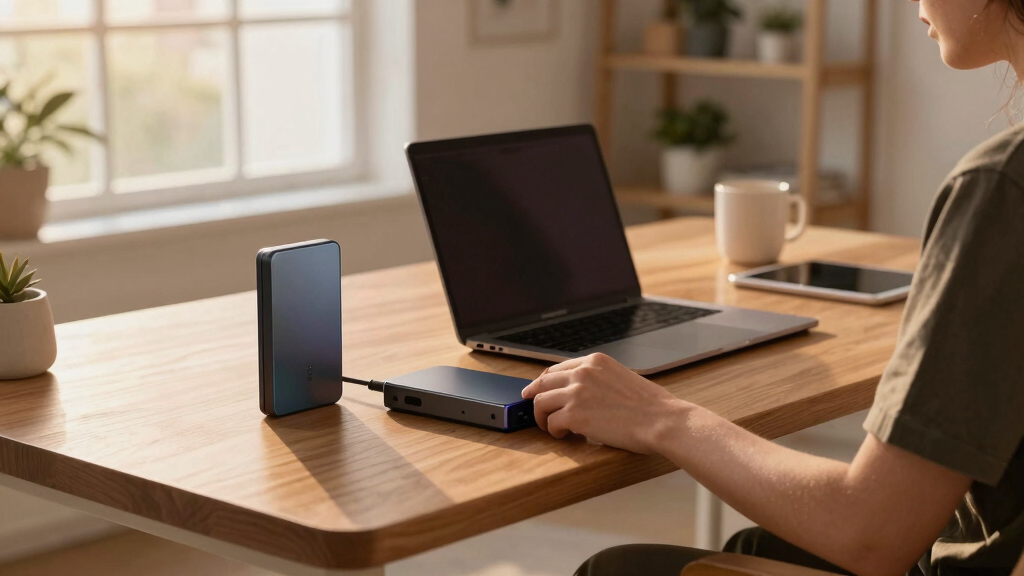
SSD prices have joined the 2026 memory crunch, with 2TB consumer NVMe drives cited at $300 to $480 after selling for about $120 to $150 in 2024. Industry data cited by TrendForce, Nomura and Phison points to a mix of AI server demand, tight NAND allocation and limited new fab capacity, while rack-level AI storage estimates remain less certain.
SSD prices have now joined the 2026 memory crunch, with cited retail examples showing a 2TB NVMe drive rising from about $120-$150 in 2024 to $300-$480 and industry data pointing to steep enterprise NAND price increases as AI server demand absorbs flash supply.
The late-June source material says a 1TB consumer SSD has roughly doubled in price versus late 2025, while enterprise SSD contract prices rose by a reported 53%-58% in one quarter at the start of 2026. It also says underlying NAND contract prices have climbed roughly four to four-and-a-half times across nine months, a move that has reached PC builders, OEMs and storage-heavy business buyers.
Market reporting cited in the source points to two supply pressures. NAND flash competes with DRAM and HBM for cleanroom space, capital and engineering teams at major memory suppliers, and manufacturers have been steering output toward higher-margin server products. At the same time, AI inference systems use flash directly for data retrieval, vector databases and cache-heavy workloads, making storage part of the computing stack rather than just a data bucket.
Some figures remain estimates. The source says a high-end AI GPU may need about 16TB of TLC or QLC flash and that an AI server rack can require more than 1,000TB of NAND; those per-GPU and per-rack numbers are identified as estimates, not audited shipment totals. Confirmed market claims are narrower: TrendForce, Nomura, Phison and other cited firms report rising contract prices, sold-out production and supplier preference for enterprise buyers.
The SSD squeeze: storage joined the party
Storage was the last cheap thing in computing. Not anymore — a 2TB NVMe that was $120–150 in 2024 now lists at $300–480. And this time flash isn’t only collateral damage: AI eats storage directly.
both ways
Flash got hit twice — once as collateral sharing fabs with HBM, once directly as AI inference turned fast storage into something it consumes by the petabyte. That second force won’t fade; it grows with every model, every RAG pipeline, every cache that must live somewhere fast. Buy what you need now; favor TLC with DRAM cache, don’t overpay for Gen 5, watch for counterfeits. Relief isn’t forecast before late 2027. When the cheapest component in computing has a two-year waitlist, “commodity” no longer fits. Next: The High-End PC & Workstation Tax.
Higher SSD Costs Hit Buyers
For readers, the issue is no longer limited to RAM pricing. A storage upgrade that was once routine can now change the price of a gaming PC, workstation, NAS rebuild or small-business server. If OEMs keep costs down by cutting base configurations from 1TB to 512GB, buyers may pay more later for the capacity they expected to get upfront.
The squeeze also matters outside home PCs. The source flags pressure on enterprise SSDs, industrial and automotive storage, and even hard drives as buyers look for substitutes. Longer lead times for specialized TLC or pSLC parts can affect products that need certified storage, where a simple part swap may require testing or purchasing approval.
As an affiliate, we earn on qualifying purchases.
AI Demand Reaches NAND
For much of the past decade, NAND flash behaved like a deflationary commodity. Capacity rose, node shrinks lowered cost per bit, and consumer NVMe drives became cheap enough that many builders bought extra space almost by reflex. The 2026 change is that AI infrastructure is competing for the same wafers and also consuming fast storage as part of model serving.
Nomura Securities, cited by Tom’s Hardware, said SanDisk’s enterprise 3D NAND could rise by more than 100% quarter over quarter in the March period. TrendForce has also reported sharp NAND contract-price gains tied to AI workloads, enterprise SSD demand and suppliers assigning more capacity to higher-margin data-center products.
“enterprise-grade NAND facing especially aggressive increases”
— Nomura Securities, cited by Tom’s Hardware
As an affiliate, we earn on qualifying purchases.
Relief Timing Remains Unclear
Several pieces of the story are still uncertain. Retail prices vary by brand, controller, NAND type and channel stock, so a cited 2TB NVMe range does not mean every drive is priced the same. The per-GPU storage estimate and per-rack NAND estimate are useful demand markers, but they should be treated as model-based figures unless suppliers disclose exact deployment volumes.
It is also unclear how much of the price rise reflects physical shortage versus supplier pricing discipline. The source material says Samsung and SK Hynix reportedly trimmed NAND wafer targets and that Micron can satisfy only 55%-60% of major customer demand, but full allocation data from each manufacturer is not public.
As an affiliate, we earn on qualifying purchases.
Server Buyers Set The Pace
The next market signal will come from second-half 2026 contract pricing and allocation decisions by Samsung, SK Hynix, Micron, SanDisk and module makers such as Phison. If cloud providers keep locking in supply for AI inference, consumer NVMe availability may remain tight even if PC demand stays soft.
For now, the practical path is cautious purchasing: buyers who need storage soon may face better odds by choosing proven TLC SSDs with DRAM cache, avoiding inflated premiums for Gen 5 drives when workloads do not need them, and checking sellers carefully because shortages can increase counterfeit and gray-market risk.
As an affiliate, we earn on qualifying purchases.
Key Questions
Why are SSD prices rising in 2026?
NAND flash supply is being pulled toward enterprise SSDs and AI infrastructure, while some fab resources also compete with HBM and DRAM. TrendForce and other cited sources point to tight allocation, higher contract prices and server buyers taking priority.
Are consumer NVMe drives affected?
Yes. The source cites a 2TB consumer NVMe moving from about $120-$150 in 2024 to $300-$480, and a 1TB drive roughly doubling versus late 2025. Actual shelf prices can vary by model and retailer.
Is AI directly using SSD storage?
According to the source material, AI inference can require fast flash for RAG vector databases, key-value caches and high-throughput data feeding. The exact per-GPU and per-rack totals are estimates, but the direction of demand is supported by enterprise SSD pricing and allocation reports.
When could SSD prices ease?
The cited material says broad relief is not expected before late 2027, and other market reports point to possible improvement only as new capacity arrives in 2027 or 2028. That timing remains uncertain because fab projects take years and suppliers are prioritizing higher-margin server products.
Source: Thorsten Meyer AI
Halloween Picks
halloween
As an affiliate, we earn on qualifying purchases.