
TL;DR

Get furniture and decor delivered free with Prime
- Fast, free delivery on millions of items
- Prime Video, Amazon Music and more included
- Member-only deals all year
Memory and storage have become a far larger part of high-end PC and workstation costs in 2026, with HP saying memory rose from 15-18% to about 35% of a PC bill of materials. The shift means DIY builders and workstation buyers may now pay more than OEMs with bulk contracts and hedged inventory.
High-end PC and workstation buyers are facing a sharp new cost penalty as memory and storage prices climb, with HP telling investors that memory rose from 15-18% to about 35% of a PC bill of materials in a single quarter.
The report, published as part of a series on the 2026 memory crunch, says the shift has changed the economics of building premium machines. A 32GB DDR5 kit was listed at around $369 in one late-June build snapshot, roughly matching the price of the graphics card in the same comparison.
Premium PC builds that recently cost about $2,000 are now being described in the $2,800-$4,500 range, with the largest movement tied to RAM and SSDs rather than CPUs or GPUs. The source material says those prices are point-in-time figures from late June 2026 and may move quickly.
The impact is sharper for workstations because many professional systems require 64GB, 128GB, or more of memory. The report says 96GB and 128GB DDR5 RDIMMs are among the hardest-hit parts because they sit close to the server memory market that suppliers are prioritizing.
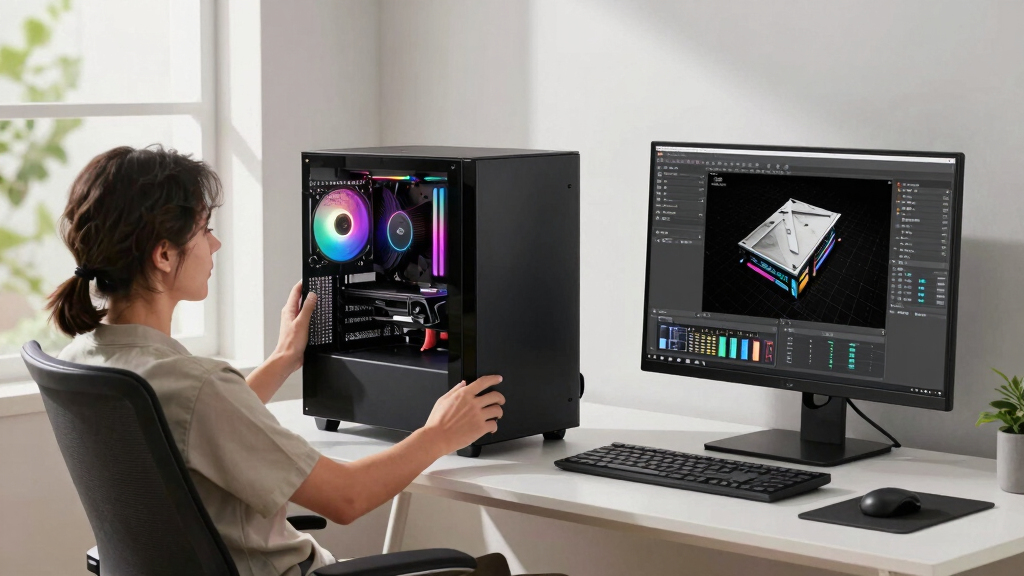
The high-end PC & workstation tax
If you build your own machines or spec your team’s workstations, you’re the most exposed buyer in this market — no hedge, no bulk contract, just a parts cart and a number you used to ignore, now the biggest line on the invoice.
OEMs buy on bulk contracts and hold hedged stock; you pay the spot price on the day. The DIY builder is now the most exposed buyer in the chain — and the prebuilt is sometimes cheaper. Price it before you commit.
96GB & 128GB DDR5 RDIMMs are the scarcest, closest to the server memory makers prioritize. 64GB RDIMM could cost 2× by end-2026 vs early 2025. The parts that define a workstation are the ones squeezed hardest.
The squeeze didn’t just raise prices — it inverted the value system of high-end building. Buy big, buy early, build it yourself: each enthusiast virtue is now a way to overpay. Discipline beats ambition in 2026 — right-size hard, buy deliberately, lean on bundles, treat the prebuilt as a real price check. You can’t avoid the AI tax levied a layer up in the fabs; you can refuse to pay more of it than the job needs. Next: Cloud’s Hidden Memory Bill.
DIY Savings Are No Longer Assured
The change matters because it challenges a long-standing assumption among enthusiasts and small technical teams: that building a system from parts is usually cheaper than buying a prebuilt machine. The report says that may no longer hold at the high end.
The reason is market structure. Large OEMs such as HP, Dell, and Lenovo can buy memory through bulk contracts, hold inventory, and spread cost changes across product lines. Individual buyers generally pay retail spot prices on the day they order.
That means a builder choosing parts for a gaming PC, CAD workstation, data-analysis machine, or local AI workstation may face a higher memory bill than a manufacturer assembling a comparable system. The report argues that pricing a prebuilt machine before buying parts has become a practical benchmark, not a surrender of control.
As an affiliate, we earn on qualifying purchases.
AI Demand Reaches Retail Buyers
The article frames the price pressure as the retail end of a broader memory supply squeeze tied to demand for AI infrastructure. Earlier parts of the series traced pressure from HBM to system RAM and then to storage; this installment says the effect has now reached buyers configuring individual machines.
The most exposed customers are not large cloud operators or PC makers, according to the report, but buyers without bulk contracts, hedged stock, or guaranteed supply. That includes people building one machine, small studios buying a few workstations, and teams that rely on retail channels for upgrades.
The report recommends tighter buying habits: right-size memory, avoid unnecessary 128GB builds, use CPU and motherboard bundles where they lower total cost, stage upgrades, compare against prebuilts, and reuse working components when possible.
“Memory had gone from 15-18% of a PC’s bill of materials to about 35%.”
— HP, in Q1 2026 earnings commentary cited by the report
As an affiliate, we earn on qualifying purchases.
Prices May Keep Moving
It is not yet clear how long the memory price spike will last or whether retail prices will keep rising through the rest of 2026. The report describes late-June prices as fast-moving and does not claim they apply to every market, vendor, or configuration.
It is also unclear how much of the increase will remain with buyers if OEM inventory runs down or if suppliers shift capacity. The claim that prebuilts can sometimes beat DIY pricing depends on the exact parts list, region, availability, and timing of purchase.
As an affiliate, we earn on qualifying purchases.
Builders Reprice Before Buying
The next step for buyers is practical: compare the full cost of a self-built system against a similar prebuilt workstation or gaming PC before ordering. The report says buyers should treat memory capacity as a budget decision, not an automatic upgrade.
For teams planning purchases later in 2026, the main watch points are DDR5 retail pricing, RDIMM availability, OEM system discounts, and whether storage prices continue to follow the same pressure pattern. The series is set to continue with a look at cloud memory costs.
As an affiliate, we earn on qualifying purchases.
Key Questions
What is the high-end PC and workstation tax?
It is the report’s term for the extra cost now hitting premium PC and workstation buyers as memory and storage take up a much larger share of system prices.
Why are DIY builders more exposed?
DIY buyers usually buy at retail prices without bulk contracts or reserved inventory. Large OEMs can rely on contract pricing and existing stock, at least for a time.
Are prebuilts now always cheaper than building?
No. The report says prebuilts are sometimes cheaper for high-end systems, depending on parts, timing, and inventory. Buyers still need to compare exact configurations.
Which workstation parts are under the most pressure?
The report points to high-capacity DDR5 RDIMMs, especially 96GB and 128GB modules, because they overlap with demand from server and AI infrastructure buyers.
How can buyers reduce the cost impact?
The report recommends right-sizing memory, avoiding unnecessary capacity, staging upgrades, checking CPU and board bundles, comparing prebuilts, and reusing parts that still meet the workload.
Source: Thorsten Meyer AI
Fall Picks
fall essentials
As an affiliate, we earn on qualifying purchases.