

TL;DR

Get furniture and decor delivered free with Prime
- Fast, free delivery on millions of items
- Prime Video, Amazon Music and more included
- Member-only deals all year
A hobbyist modified a Wi-Fi smart light bulb to serve as a hidden library of banned books. The project demonstrates potential for covert information sharing, but the full scope and legality remain unclear.
A hobbyist has modified a Wi-Fi smart light bulb to function as a covert library hosting banned books, raising concerns about digital censorship and privacy. The project was shared on a hacker forum, highlighting the potential for low-cost, undetectable information sharing devices.
The project involves replacing the firmware of a Wi-Fi enabled light bulb, which contains an ESP32C3 chip, to host a web server serving banned books. The creator purchased bulbs with pre-installed Tasmota firmware, a popular open-source system that allows over-the-air updates and customization.
By opening the bulb, the hobbyist accessed the internal circuit board, confirmed the presence of the ESP32 chip, and considered adding external storage like a microSD card to expand capacity. The device’s small size and concealment within a light bulb make it a potentially effective tool for discreetly distributing banned material in communities where such content is censored.
Implications for Digital Censorship and Privacy
This development demonstrates how inexpensive, commonplace devices like smart bulbs can be repurposed for covert information sharing, challenging authorities’ ability to control digital content. It raises concerns about the proliferation of hidden networks and the potential for evading censorship efforts, emphasizing the need for awareness around digital privacy and security.
Products Worth Considering
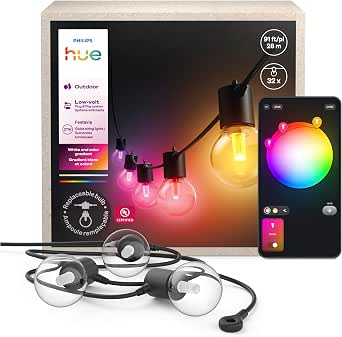
Philips Hue Festavia Globe Outdoor String Lights, 32 Bulbs, 91 ft

Philips Hue Large Smart Light Tube, Black – White and Color Ambiance LED Color-Changing Light – 1 Pack

Philips Hue Bridge Pro Smart Lighting Hub
As an affiliate, we earn on qualifying purchases.
Background on DIY Modifications and Censorship Challenges
Recent years have seen increased efforts to censor digital content, especially in authoritarian regimes. Hobbyists and hackers have responded by developing covert methods of sharing information, including using everyday devices like smart speakers and light bulbs. The use of open-source firmware like Tasmota has facilitated such modifications, enabling users to bypass cloud dependencies and customize device functions.
This project echoes earlier initiatives where tech enthusiasts repurposed consumer electronics for activism or privacy protection, illustrating a broader trend of DIY resistance against digital censorship.
“Hosting banned books on a Wi-Fi light bulb makes it almost invisible and easy to deploy in community spaces.”
— The project creator
Legal and Security Risks of Modified Smart Bulbs
It is not yet clear whether the creator plans to distribute these devices widely or how authorities might respond. The legal implications of hosting and sharing banned books via such devices are also uncertain, especially in jurisdictions with strict censorship laws. Additionally, the security risks of deploying modified devices in public spaces, including potential misuse or detection, remain to be assessed.
Potential for Broader Adoption and Countermeasures
As the project gains attention, more hobbyists may attempt similar modifications, increasing the prevalence of covert information-sharing devices. Authorities and security researchers are likely to explore detection methods and countermeasures. The creator may also release technical details or tools to facilitate or prevent such modifications, influencing future developments in digital activism and censorship evasion.
Key Questions
Can these modified light bulbs be detected easily?
Detection is possible if devices are inspected physically or monitored via network analysis, but their small size and concealment within regular light fixtures make them difficult to identify without specific knowledge or tools.
Are there legal risks for someone deploying such devices?
Yes. Hosting or distributing banned content can violate local laws, and deploying covert devices may also breach regulations related to unauthorized electronic modifications or privacy violations. Legal consequences depend on jurisdiction.
How much storage can these devices support?
With the current hardware, storage is limited to the built-in flash memory (around 4MB). Adding external storage like microSD cards could expand capacity, but technical modifications are required.
What are the security implications of using modified smart bulbs?
Modified devices could be exploited for malicious purposes if not properly secured, including unauthorized access or data interception. Proper security measures are essential if deploying such devices.
Source: Hacker News