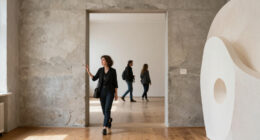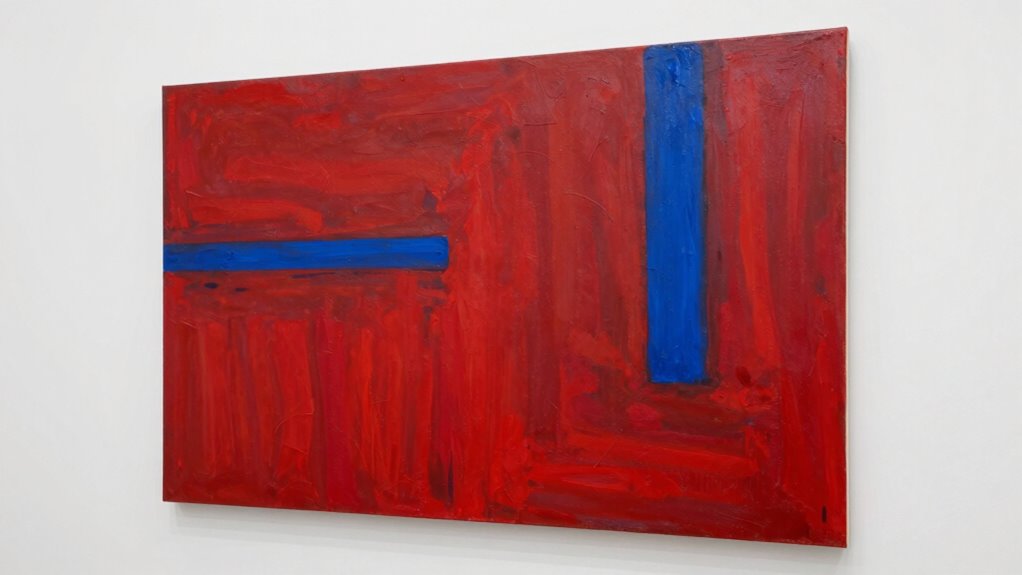

When you hang art on a wall, it often seems smaller because of how your brain perceives colors, surroundings, and perspective. Bright colors and larger frames can make it look bigger initially, but nearby clutter or darker tones can downplay its size. Lighting and height also influence how large it appears. Your brain constantly compares the artwork to other objects and environmental cues, making it seem smaller than it actually is. Keep exploring to understand how these perceptual tricks work.

Get furniture and decor delivered free — and shop member deals
- Fast, free delivery on millions of items
- Access to Prime Big Deal Days deals on October 6–7
- Prime Video, Amazon Music and more included
Key Takeaways
- Surrounding wall color and clutter can reduce the artwork’s vibrancy, making it appear smaller.
- Visual cues like wall height and hanging position influence size perception.
- Framing and lighting focus attention inward, diminishing the artwork’s apparent size.
- Comparison with nearby objects or clutter can make the art seem less prominent.
- Peripheral vision and environmental context shape how large the artwork appears once hung.
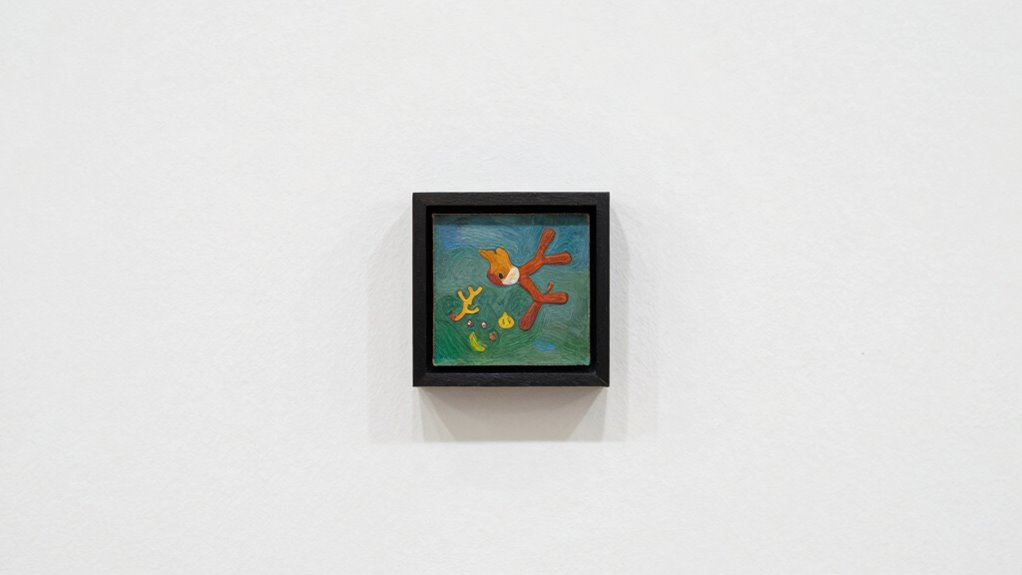
When you hang art on a wall, it often appears smaller than expected, even if the piece is quite large in reality. This phenomenon isn’t just about the size of the artwork itself but also how your eyes interpret it within its surroundings. Your perception of size can be influenced by various visual factors, particularly color perception and visual distortion, which play significant roles in why art sometimes looks less imposing once it’s mounted.
Color perception affects how your brain interprets the artwork’s size. Bright, vibrant colors tend to draw your attention and make objects seem larger, while darker or muted tones can have the opposite effect, making things appear more diminutive. When a piece is hung on a wall, the colors can blend into the background or seem less vivid than they did in a gallery or on a printed page. This reduction in vibrancy causes your brain to perceive the artwork as smaller because it isn’t standing out as strongly. If your wall’s color clashes or doesn’t complement the art, your eyes might subconsciously downplay the piece’s size, making it seem less substantial than it truly is.
Bright colors draw attention and make art seem larger, while muted tones and background blending reduce perceived size.
Visual distortion also plays a big part in this perception shift. When you view art in a different context, your eyes and brain work together to interpret the image based on surrounding cues. The spatial relationships within the room, the scale of nearby furniture, and even the lighting can create a visual distortion that influences how large or small the artwork appears. For example, if the art is hung too high or too low, your perspective shifts, and your brain adjusts the perceived size to match the new vantage point. Similarly, when a piece is framed narrowly or with a busy mat, it can seem smaller because your focus is drawn inward rather than outward, diminishing the overall impact of the work. Additionally, lighting conditions can further alter how we perceive the size and prominence of artwork, either enhancing or muting its visual presence. Recognizing how visual context and environmental factors influence perception is essential for achieving the desired aesthetic effect.
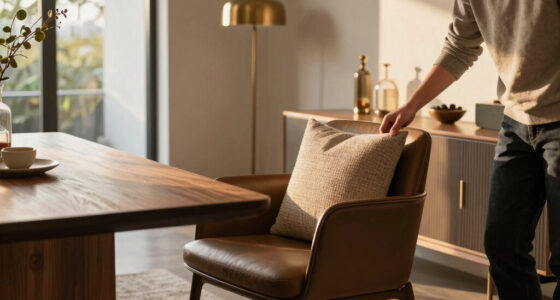
Your mind also compares the artwork to other objects in the room, which can skew your perception of its size. If your wall is cluttered or filled with many smaller objects, a large piece might seem less impressive or smaller by comparison. Conversely, in a spacious, minimalist environment, the same artwork can appear more dominant and sizable. This contrast effect highlights how context influences your visual perception, making art seem smaller the moment it’s hung, even if its actual dimensions haven’t changed. Additionally, environmental factors like lighting and surrounding objects further shape how your brain perceives the size of art. Recognizing the impact of peripheral vision can also help you understand why your perception might shift based on where you’re looking. Being aware of these perceptual influences allows you to better control how your art is experienced and appreciated in your living space.
As an affiliate, we earn on qualifying purchases.
Frequently Asked Questions
Does Wall Color Affect How Art Appears in Size?
Yes, wall color considerably impacts how art appears in size. When you choose a wall color with high contrast to your artwork, it makes the art stand out more, making it seem larger. Conversely, a color similar in hue and tone can make the art blend in, reducing its perceived size. Texture effects on the wall also influence this perception, as a textured surface can either enhance or diminish the artwork’s presence.
How Does Lighting Influence Perceived Artwork Size?
Lighting dramatically influences how you perceive artwork size. Ambient illumination, especially soft, even light, helps you see the piece clearly without distortions. Shadow effects, on the other hand, can make parts of the art seem larger or smaller depending on their placement and intensity. When you position the light thoughtfully, it can enhance details or create illusions, making the artwork appear more balanced and proportionate to your viewing experience.
Can Frame Size Impact the Illusion of Art’s Dimensions?
A frame can be like a window that shapes your perception, impacting how large or small the artwork appears. Larger frames can create a sense of perspective distortion, making the piece seem bigger, while smaller frames may shift visual weight, causing the art to look more contained. So, yes, your choice of frame size influences the illusion of your art’s dimensions, altering how viewers experience its scale.
Do Different Wall Heights Alter the Perception of Art Size?
Yes, different wall heights can alter your perception of art size. When you view art placed higher on a tall wall, it may seem smaller or more distant, affecting your viewer perspective. Conversely, lower placement on a shorter wall can make the art feel more prominent and intimate. Proper art placement considers wall height, ensuring your perspective enhances the artwork’s intended impact and balances the space effectively.
How Does Viewing Distance Change Art’s Apparent Size?
When you view art from a closer distance, it appears larger because your eyes perceive more detail and depth, creating a sense of perceived depth. As you move farther away, the artwork seems smaller, reducing visual tension and making the details less obvious. This change in perception alters how you experience the piece, with closer viewing amplifying its size and emotional impact through heightened perceived depth.
As an affiliate, we earn on qualifying purchases.
Conclusion
Next time you hang a piece of art, remember that it might look smaller than expected due to distance and perspective. Imagine you’re in a gallery, eye-level with a large painting, but from across the room, it seems tiny. This illusion tricks your brain into perceiving size differently. So, when your favorite artwork seems smaller on the wall, don’t worry—it’s just your perspective playing tricks. Trust your eye, and give it a moment to adjust!
As an affiliate, we earn on qualifying purchases.
As an affiliate, we earn on qualifying purchases.
Fall Picks
fall essentials
As an affiliate, we earn on qualifying purchases.