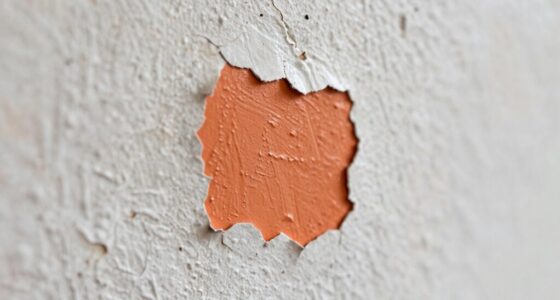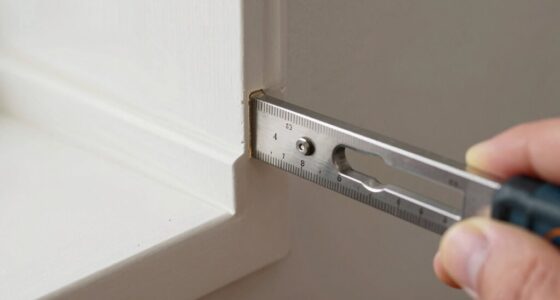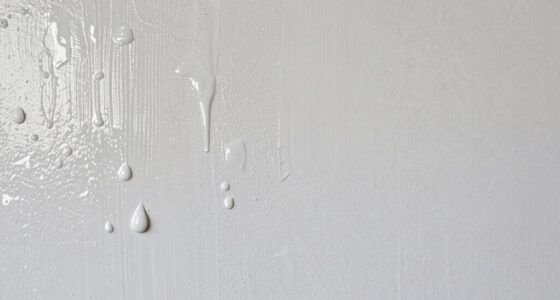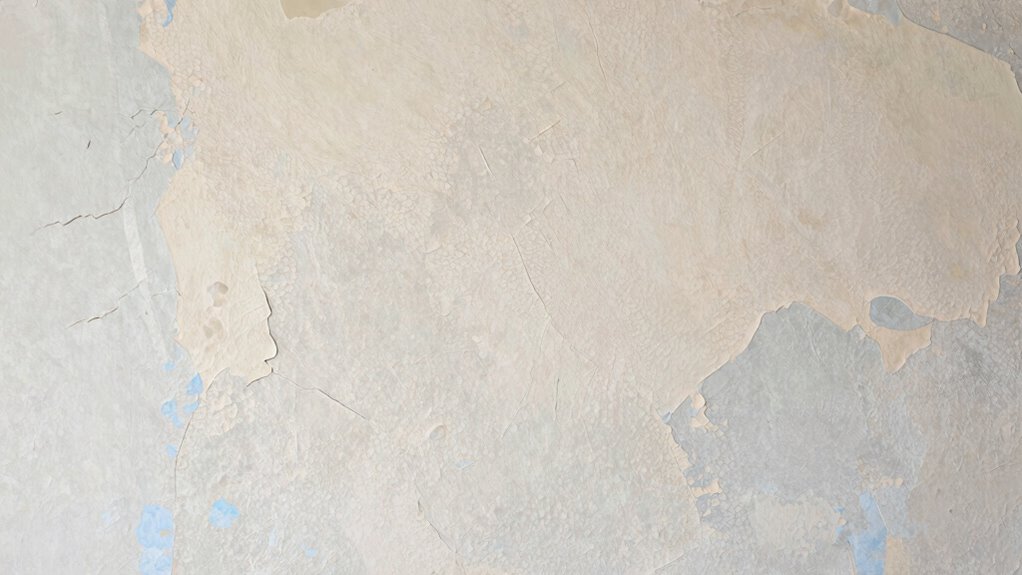

To assess your wall, start by checking the surface for bumps, cracks, or uneven patches, which can affect finish choice. Pay attention to how natural and artificial light hits the wall throughout the day, as it influences color and texture perception. Notice shadows and how the surface reacts under different lighting. Consider durability and cleaning needs based on the environment. Finally, choose application techniques and finishes suited to the wall’s texture and lighting—continue to find out how to make the best decision.

Get furniture and decor delivered free with Prime
- Fast, free delivery on millions of items
- Prime Video, Amazon Music and more included
- Member-only deals all year
Key Takeaways
- Inspect the wall surface for bumps, cracks, or uneven patches to determine suitable finishes and conceal imperfections.
- Observe natural and artificial lighting to see how the wall’s appearance and texture change throughout the day.
- Note shadow patterns and surface reactions under different lighting conditions to assess texture and depth.
- Consider the wall’s durability needs based on location, usage, and environmental factors before selecting a finish.
- Evaluate surface preparation requirements and environmental conditions to choose a finish that enhances appearance and longevity.
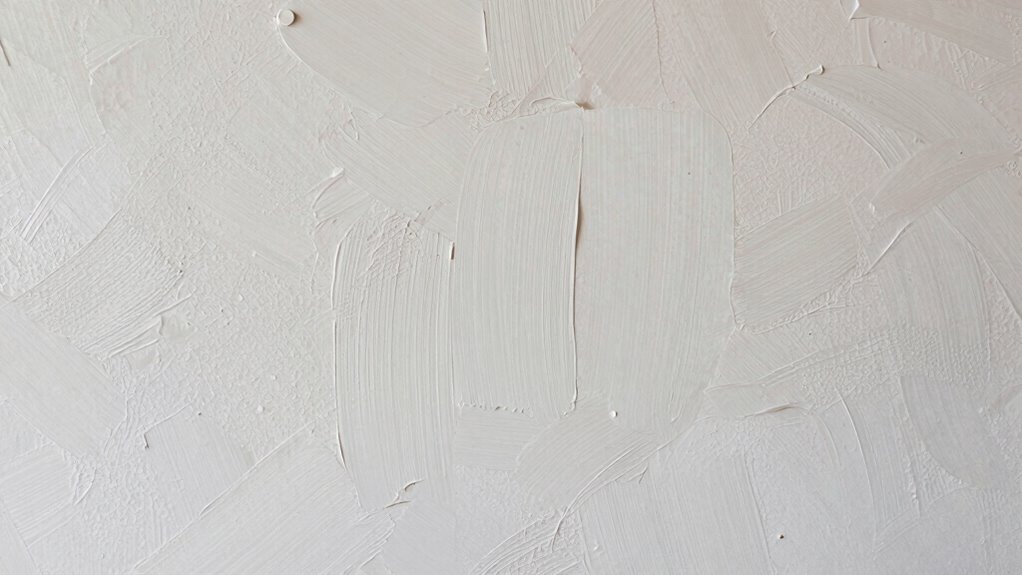
Before selecting a wall finish, it’s crucial to carefully examine the wall’s condition and characteristics. This initial assessment helps you understand how different finishes will interact with the existing surface and maximize their visual appeal. Pay close attention to the surface texture, as it influences not only the look but also how light plays across the wall. Smooth surfaces reflect light differently than textured ones, which can add depth or create shadows that alter the room’s ambiance. If your wall has bumps, cracks, or uneven patches, those imperfections will impact the final appearance of the finish you choose. For example, a textured finish may help conceal minor flaws, while a sleek, high-gloss paint will highlight imperfections if the surface isn’t perfectly smooth.
Lighting conditions are equally important in reading your wall. Observe how natural and artificial light interact with the surface throughout the day. In rooms with abundant sunlight, glossy or semi-gloss finishes can enhance brightness and create a lively atmosphere, but they may also emphasize surface imperfections. Conversely, in spaces with limited light, matte finishes tend to absorb light, softening the room’s overall feel and hiding minor surface flaws. You should consider the direction of light—whether it’s direct sunlight, ambient light, or artificial fixtures—as this affects how color and texture appear. For example, a wall that faces east or west may catch sunlight at different times, changing the way the surface looks.
As you inspect, take note of how shadows fall and how the wall’s surface reacts to different lighting. If your wall has a rough or uneven surface, textured finishes like stucco or specialized paints can add character and hide irregularities, especially under variable lighting. In contrast, a smooth surface under uniform lighting can look polished and sophisticated with a high-gloss or satin finish. It’s also helpful to consider surface durability, ensuring the chosen finish can withstand the room’s daily use and environmental conditions. Additionally, understanding surface preparation can significantly impact how well a finish adheres and lasts over time. Knowing the paint type suitable for your specific wall surface can further improve the longevity and appearance of your chosen finish. Moreover, selecting the right application technique can enhance the overall look and durability of the paint job. To achieve the best results, it’s essential to consider climate conditions, as they can influence how finishes perform over time and may require specific treatments or coatings. Remember, the goal is to choose a finish that complements the surface texture and enhances the lighting conditions rather than fighting against them. By understanding these two elements—surface texture and lighting—you’re better equipped to select a wall finish that not only looks great but also endures over time, creating a cohesive and visually appealing space.
As an affiliate, we earn on qualifying purchases.
Frequently Asked Questions
How Do I Identify Existing Wall Repairs or Patches?
To identify existing wall repairs or patches, look for surface textures that differ from the surrounding area. You might notice paint inconsistencies, such as uneven color, sheen, or rough patches. Run your hand lightly over the wall to feel for bumps or smooth spots. These differences often indicate past repairs. Pay close attention to corners, edges, and areas around fixtures, as they’re common spots for patchwork and touch-ups.
What Environmental Factors Affect Wall Finishes Long-Term?
Environmental factors like humidity, temperature fluctuations, and sunlight exposure greatly impact wall finishes over time. You need to evaluate paint compatibility with these conditions to prevent peeling or fading. Proper surface preparation is vital to guarantee the finish adheres well and lasts longer. By examining these factors beforehand, you can select a durable finish suited to your environment, minimizing maintenance and preserving the wall’s appearance for years.
How Can I Test a Wall’s Moisture Levels Accurately?
You can test a wall’s moisture levels accurately using a moisture meter, which measures surface porosity and moisture content. To guarantee paint adhesion, check for high moisture readings, as excess moisture can cause peeling or bubbling. Clean the wall thoroughly before testing, and take multiple readings across different areas. This way, you’ll get a clear idea of the wall’s moisture status, helping you select the right finish and avoid future issues.
Are There Specific Signs of Mold or Mildew to Look For?
You should look for dark spots, fuzzy patches, or a musty smell, as these are signs of mold or mildew. Pay attention to areas with high humidity or poor ventilation, which promote mildew growth. To prevent mold, guarantee proper airflow and control moisture levels. Regularly inspect your walls, especially in bathrooms and basements, and address any leaks promptly to keep mold at bay and promote mold prevention.
How Do Wall Conditions Vary Between Indoor and Outdoor Spaces?
Your wall conditions can differ dramatically between indoor and outdoor spaces, like night and day. Outdoor walls face weather’s relentless assault, so surface preparation must include thorough cleaning, sealing, and moisture control. Texture analysis reveals roughness or peeling caused by exposure. Indoors, walls tend to stay more stable, but checking for stains, cracks, and smoothness helps you choose the right finish. Proper assessment guarantees your project withstands whatever environment it faces.
wall finish samples for textured surfaces
As an affiliate, we earn on qualifying purchases.
As an affiliate, we earn on qualifying purchases.
Conclusion
Now that you know how to read a wall, you can choose the perfect finish with confidence. Remember, every wall has a story—like a well-worn leather bound tome, it reveals its history if you listen closely. Don’t rush your decision; take your time, and let your instincts guide you. After all, in the grand scheme of things, a well-chosen finish can transform your space into a timeless masterpiece, just like the classics endure through ages.
lighting assessment tools for walls
As an affiliate, we earn on qualifying purchases.
As an affiliate, we earn on qualifying purchases.
As an affiliate, we earn on qualifying purchases.
Fall Picks
fall essentials
As an affiliate, we earn on qualifying purchases.