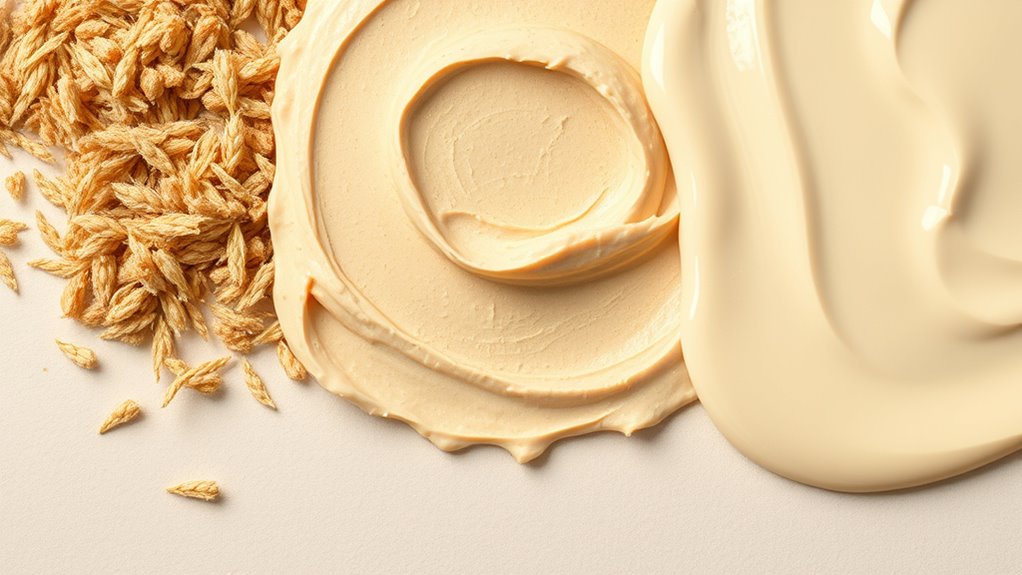

When choosing wallpaper paste, you’ll find options like traditional wheat paste, which is eco-friendly and great for light, non-woven wallpapers. Cellulose adhesives come from plant fibers and offer durability for heavier or textured wallpapers. Vinyl adhesives are moisture-resistant, perfect for kitchens and bathrooms, but may contain chemicals; some are now eco-conscious. Understanding these types helps you pick the best option for your project, and exploring further reveals even more about their unique benefits.

Get furniture and decor delivered free with Prime
- Fast, free delivery on millions of items
- Prime Video, Amazon Music and more included
- Member-only deals all year
Key Takeaways
- Wheat paste is an eco-friendly, biodegradable adhesive made from flour and water, ideal for lightweight or natural wallpaper applications.
- Cellulose-based adhesives are strong, durable, and suitable for various wallpaper types, especially heavier or textured designs.
- Vinyl adhesives are moisture-resistant, flexible, and designed mainly for vinyl wallpaper, often used in moisture-prone areas like kitchens or bathrooms.
- When choosing wallpaper paste, consider the wallpaper material, wall surface, and room conditions to ensure proper adhesion and longevity.
- Eco-friendly options like wheat and cellulose pastes support sustainable decorating, while vinyl adhesives may include low-VOC or biodegradable variants.

Choosing the right wallpaper paste is essential for guaranteeing your wallpaper stays secure and looks great. When selecting a paste, it helps to understand the different types available, especially wheat, cellulose, and vinyl adhesives. Each type has unique properties suited for specific wallpaper styles and wall surfaces. Historically, wallpaper techniques relied on natural adhesives, with wheat paste being a popular choice. This traditional method involved mixing wheat flour with water, creating a simple, effective glue that was both affordable and biodegradable. Today, many people still appreciate these eco-friendly adhesive options, especially for lighter, non-woven wallpapers or for those aiming to reduce environmental impact. Wheat paste is easy to prepare and doesn’t contain harsh chemicals, making it a safe choice for homes with children or pets. Its natural origin also aligns with the growing demand for sustainable, eco-friendly products. Additionally, wheat paste is biodegradable, making it an environmentally responsible option for eco-conscious decorators.
Choosing the right wallpaper paste ensures a secure, beautiful finish with eco-friendly options like wheat and cellulose adhesives.
Cellulose-based adhesives are another common option, especially for modern wallpapers that require a strong, durable bond. Derived from plant fibers, cellulose pastes are versatile and generally easier to work with than older techniques. They are often pre-made, ready to use, and tend to have a neutral odor, making the application process smoother. Cellulose adhesives are particularly effective on a variety of wallpaper types, including heavier and textured designs, providing good adhesion without damaging the paper or the wall. They also tend to be more environmentally friendly than synthetic options, aligning with the trend toward eco-conscious decorating.
Vinyl adhesives are a different category altogether, designed primarily for vinyl wallpaper, which is more resistant to moisture and easier to clean. These pastes are typically thicker and more flexible, enabling the wallpaper to adhere securely to textured or uneven surfaces. Vinyl adhesives are often synthetic and contain chemicals that help resist moisture and mold, making them ideal for kitchens and bathrooms. While they may not be as eco-friendly as wheat or cellulose options, advancements in formulation are improving their environmental profile, with some brands offering low-VOC or biodegradable versions.
In choosing between these options, consider the wallpaper material, room conditions, and your environmental priorities. If you’re aiming for a traditional, eco-conscious approach, wheat paste or cellulose-based adhesives are excellent choices. For areas prone to moisture or demanding durability, vinyl adhesives are typically better. Always read the manufacturer’s instructions, and select a paste that matches your wallpaper’s specifications to ensure a lasting, beautiful finish.
Frequently Asked Questions
Can Wallpaper Paste Be Reused After Opening?
Yes, you can often reuse wallpaper paste after opening if you store it properly. To recycle adhesives, make sure to seal the container tightly and keep it in a cool, dry place. However, check for any signs of spoilage like an unpleasant smell or mold. Using eco-friendly alternatives can help reduce waste, and if the paste remains good, reusing it minimizes environmental impact while saving you money.
How Long Does Wallpaper Paste Typically Last Once Prepared?
Once prepared, wallpaper paste typically lasts about 24 to 48 hours if stored properly. You should keep the paste in an airtight container and in a cool, refrigerated environment to extend its shelf life. Always check for signs of spoilage, such as an off smell or mold, before using stored paste. Proper paste storage can help you reuse it safely within this timeframe, saving you time and money.
Is There a Difference in Paste Odor Between Types?
You might think all wallpaper paste smells the same, but there’s actually a difference in paste odor between types. Wheat-based paste often has a mild, grainy smell, while cellulose tends to be odorless or has a faint scent. Vinyl-based paste usually has a stronger, chemical odor. These smell variations can influence your comfort during application, so choosing a type with a less intrusive odor might make your project more pleasant.
Can Wallpaper Paste Be Used on Textured or Uneven Walls?
Yes, you can use wallpaper paste on textured or uneven walls. Just guarantee proper textured wall preparation by cleaning and smoothing rough spots. Check adhesive compatibility to make sure it bonds well with the wallpaper and the surface. Use a thicker paste if needed to improve adhesion on uneven areas. Applying the right paste and preparing the wall properly helps ensure a smooth, long-lasting finish without bubbles or peeling.
What Environmental Factors Affect the Shelf Life of Wallpaper Adhesives?
Environmental factors like humidity sensitivity and temperature stability critically affect your wallpaper adhesive’s shelf life. High humidity can cause the paste to prematurely activate or mold, while fluctuating temperatures may weaken its bonding ability. To guarantee longevity, store your adhesive in a cool, dry place away from moisture and extreme temperature changes. Proper storage helps maintain its effectiveness, preventing wastage and ensuring your wallpaper projects turn out perfect.
Conclusion
Now that you know the different wallpaper paste types—wheat, cellulose, and vinyl—you’re equipped to choose the perfect match for your wall adventure. Think of each paste as a trusty brushstroke in your decorating masterpiece, holding your wallpaper’s story in place. With the right paste, your walls will stand tall and proud, transforming your space into a vibrant canvas. So, roll up your sleeves and let your walls tell their beautiful tale!
Fall Picks
fall essentials
As an affiliate, we earn on qualifying purchases.