
Soundproofing starts with sealing gaps because even tiny openings around doorframes, windows, and outlets let sound escape or enter, bypassing your panels. If you don’t seal these gaps first, sound can easily leak through, making your efforts less effective. Panels alone won’t stop noise if gaps remain, so addressing cracks and leaks is essential for a real difference. Keep going to discover how sealing gaps creates a much stronger soundproof barrier you can rely on.

Get furniture and decor delivered free with Prime
- Fast, free delivery on millions of items
- Prime Video, Amazon Music and more included
- Member-only deals all year
Key Takeaways
- Tiny gaps allow sound to bypass panels, undermining overall soundproofing efforts.
- Sealing gaps creates an airtight barrier, significantly reducing noise leaks.
- Panels alone can’t block sound effectively if gaps around them remain unsealed.
- Identifying and sealing noise pathways is more cost-effective than installing additional panels.
- Gaps are primary routes for sound escape, making sealing the essential first step.
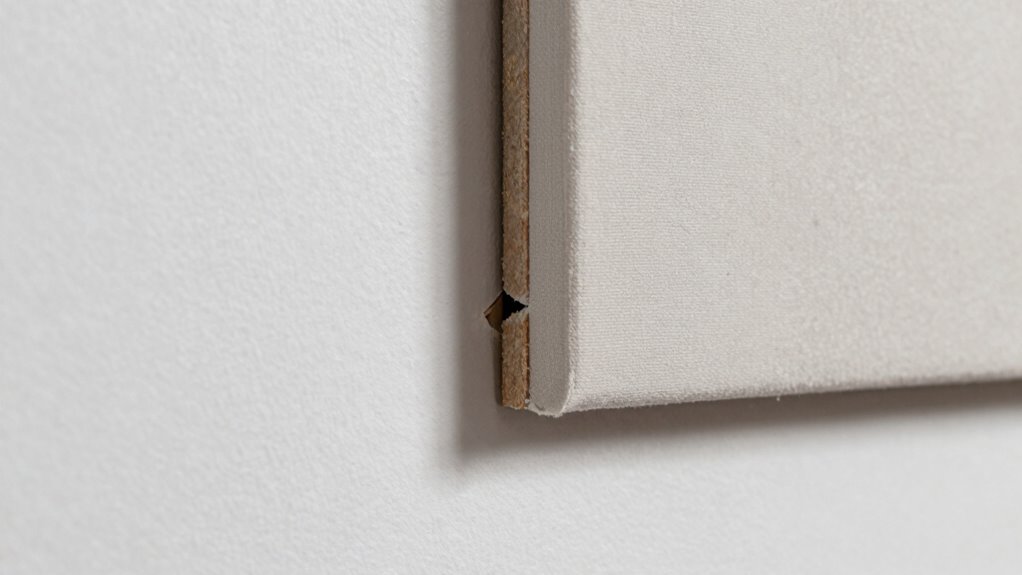
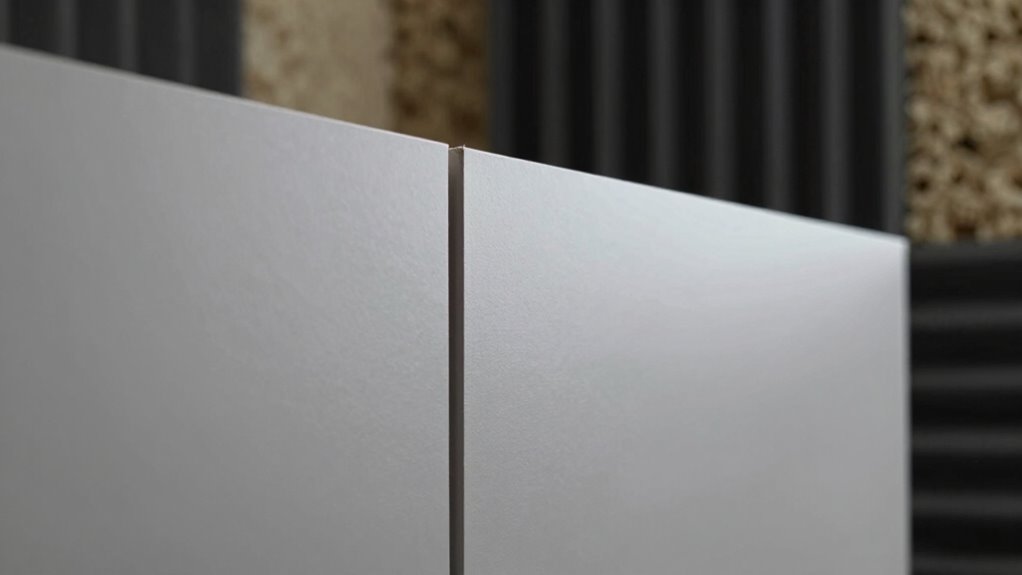
When it comes to soundproofing, many people focus on installing panels, but addressing gaps and cracks often yields better results. The truth is, the smallest openings can be responsible for significant noise leaks. Acoustic sealing becomes your best ally in this battle, as it directly targets the paths where sound escapes or enters. Instead of investing heavily in thick panels or elaborate barriers, you’ll find that sealing even tiny gaps can drastically reduce noise transmission. These small cracks around doorframes, window sills, or electrical outlets are often overlooked, but they’re the main culprits behind persistent noise leaks.
Sealing tiny gaps around doors and windows greatly improves soundproofing efficiency.
You might assume that soundproof panels alone can block out noise effectively, but if gaps remain unsealed, sound will find its way through these openings. Acoustic sealing involves using specialized materials like acoustic caulk, weatherstripping, or foam tapes to fill these gaps properly. This creates an airtight barrier that prevents noise leaks, making your soundproofing efforts much more efficient. It’s a simple step, but one that’s often underestimated in its importance. When you seal gaps, you’re addressing the primary escape routes for sound, rather than just trying to block noise with added mass or layers.
Ignoring small cracks and openings can render even the most expensive panels ineffective. Noise leaks tend to be sneaky; they travel through the tiniest openings, often unnoticed. That’s why your first move should be to inspect your space carefully, identifying all potential noise pathways. Use a flashlight or a candle near doorframes and windows to see if the flame flickers, indicating leaks. Once identified, apply acoustic sealant or weatherstripping to plug these leaks. This targeted approach ensures that your soundproofing efforts are not wasted on areas that do little to block sound. Additionally, understanding sound transmission can help you better identify and address these issues effectively.
To maximize effectiveness, it’s also helpful to understand the role of sound transmission in noise control, which highlights the importance of sealing gaps as a first step. Ultimately, achieving real soundproofing isn’t about the size of your panels, but how well you prevent sound from sneaking around or through gaps. Acoustic sealing is the most immediate and cost-effective way to cut down on noise leaks. When you focus on sealing every crack and gap, you’re creating a comprehensive barrier that enhances the effectiveness of any soundproofing panels or materials you add later. In the end, it’s these small but crucial steps that make a noticeable difference in how quiet your space feels and sounds. Recognizing the importance of gaps in soundproofing is essential for effective noise control. Properly understanding and addressing soundproofing techniques ensures a more peaceful environment.
As an affiliate, we earn on qualifying purchases.
Frequently Asked Questions
How Do Gaps Affect Overall Soundproofing Effectiveness?
Gaps considerably impact your soundproofing because they allow sound transmission and acoustic leakage. When you leave gaps unsealed, sound easily passes through, undermining your efforts to block noise. Properly sealing gaps minimizes these weak points, reducing sound transmission and preventing acoustic leakage. This makes your soundproofing more effective, ensuring that unwanted noise stays out and your space remains quieter and more comfortable.
Can Sealing Gaps Alone Eliminate Noise Transmission?
Sealing gaps alone won’t eliminate noise transmission completely, but it can reduce sound transfer by up to 60%. An interesting statistic shows that over 60% of noise leaks through gaps and cracks. For effective soundproofing, you need to combine sealing with proper acoustic insulation and strategic material choices. This approach minimizes sound pathways, but complete noise elimination requires an all-encompassing plan beyond just sealing gaps.
What Tools Are Best for Sealing Small Gaps?
You should use caulk or acoustic sealant for sealing small gaps. These sealant types are flexible and adhere well to different surfaces, guaranteeing an airtight seal. Apply the sealant with a caulking gun or a small applicator for precision. Smooth out the sealant with a finger or a tool to ensure proper contact. Proper application techniques, like filling gaps completely and avoiding over-application, will maximize noise reduction and improve soundproofing.
Are Gaps More Problematic Than Large Cracks?
Gaps are more problematic than large cracks because they allow sound waves to pass through more easily, undermining your acoustic design. Material selection matters here; using proper sealants and acoustic caulks helps block smaller gaps effectively. Larger cracks are easier to spot and seal, but if you overlook tiny gaps, soundproofing efforts fail. Focus on sealing all gaps meticulously to guarantee your soundproofing is truly effective.
How Long Does It Take to See Results From Sealing Gaps?
You’ll start noticing soundproofing improvements within a few days to a week after sealing gaps. While some soundproofing myths suggest instant results, acoustic insulation takes time to settle and block noise effectively. Sealing gaps reduces air leaks, which is key to better soundproofing. Keep in mind, consistent effort enhances results, so sealing all gaps thoroughly is essential for long-lasting noise reduction.
weatherstripping for doors and windows
As an affiliate, we earn on qualifying purchases.
As an affiliate, we earn on qualifying purchases.
Conclusion
Remember, in the symphony of soundproofing, gaps are the silent villains lurking behind the scenes, not the panels you see. You wouldn’t fill a leak with a patch and ignore the hole, so don’t overlook the tiny gaps that let noise slip in. Think of them as the cracks in your fortress—address those first, and you’ll silence the chaos. After all, isn’t the true soundproofing a matter of sealing the silence, not just adding more noise?
As an affiliate, we earn on qualifying purchases.
electrical outlet soundproofing kit
As an affiliate, we earn on qualifying purchases.
As an affiliate, we earn on qualifying purchases.
Fall Picks
fall essentials
As an affiliate, we earn on qualifying purchases.