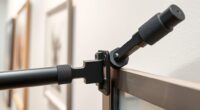
To secure your art in earthquake zones, you should use specialized mounting systems like seismic straps, flexible mounts, and shock-absorbing fixtures. Proper installation and secure mounting are key to preventing damage or toppling. Combine these physical safeguards with all-encompassing insurance and documentation plans, and develop emergency protocols to protect your collection during seismic events. Keep exploring to discover how these strategies can help preserve your valuable artworks effectively.
Key Takeaways
- Use specialized seismic-resistant mounting systems and shock-absorbing mounts for artworks.
- Secure paintings with seismic wall anchors and sculptures with flexible or custom mounts.
- Develop an emergency response plan for quick access and protection during earthquakes.
- Obtain comprehensive insurance coverage including earthquake-specific damages and documentation.
- Regularly update security measures, conduct inspections, and maintain clear access to artworks in emergencies.

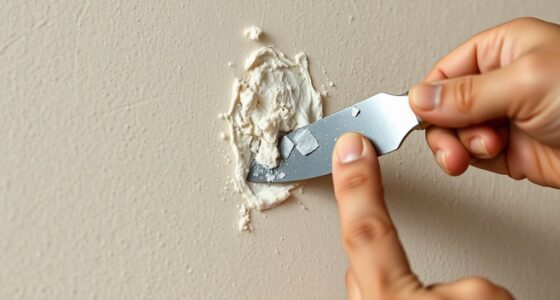
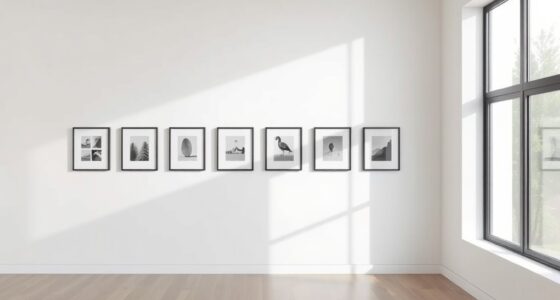
When earthquakes strike, priceless works of art are at serious risk of damage or loss. The sudden jolt can cause paintings to fall, sculptures to topple, and fragile artifacts to shatter, leaving collectors and institutions devastated. To mitigate these risks, you need to focus on effective mounting techniques. Properly securing artworks isn’t just about aesthetics; it’s about safety and preservation. You should evaluate the type of artwork and the environment where it’s displayed. For paintings, use specialized wall anchors, seismic straps, or flexible mountings designed to absorb shock. Sculptures and delicate artifacts may require custom mounts that distribute weight evenly and prevent tipping. Installing these mounting techniques correctly can make a vital difference when tremors hit. They help keep your collection stable and reduce the likelihood of damage, saving you from costly repairs or irreparable loss. Additionally, understanding the importance of seismic-resistant mounting systems can further enhance your protection strategies.
Alongside physical safeguards, you must also consider your insurance policies. Having extensive coverage tailored to your artworks provides a financial safety net in case disaster strikes. Review your policies carefully to ensure they cover earthquake-related damages, including transportation and temporary storage if needed. It’s wise to document your collection thoroughly—photos, appraisals, and detailed descriptions—to streamline claims and prove ownership. Regularly updating your policy and adjusting coverage limits as your collection grows or changes is essential. Remember, many standard policies exclude earthquakes, so you’ll need to purchase additional riders or specialized policies that explicitly cover seismic events. This extra layer of protection ensures that, even if mounting techniques and physical safeguards fail, you won’t face total financial ruin.
You should also keep emergency preparedness in mind. Develop a plan that includes quick access to your artworks, safe storage options, and contacts for professional conservators and insurers. Having a well-thought-out strategy means you’ll be ready to respond swiftly when the ground starts shaking. Combining secure mounting techniques with the right insurance policies creates a complete approach to protecting your art collection. It’s not just about safeguarding your valuables but also about preserving cultural and personal heritage. When you take proactive steps now, you greatly reduce the risk of devastating losses, ensuring your collection remains intact for generations to come. Ultimately, being vigilant and prepared is the best way to face the unpredictable power of earthquakes while keeping your art safe and sound.
Top picks for "secur earthquake"
Open Amazon search results for this keyword.
As an affiliate, we earn on qualifying purchases.
Frequently Asked Questions
How Can Art Insurance Help in Earthquake-Prone Areas?
Art insurance helps you in earthquake-prone areas by providing coverage for your valuable pieces. When you have proper art valuation, you can guarantee accurate claims if damage occurs. In case of an earthquake, you can promptly file insurance claims to recover losses and repair or replace damaged art. This protection gives you peace of mind, knowing that your art collection is safeguarded against natural disasters.
What Types of Art Are Most Vulnerable During Earthquakes?
Did you know fragile sculptures and delicate paintings are most vulnerable during earthquakes? These art types are easily damaged or destroyed because their materials can’t withstand seismic shocks. You should prioritize securing these pieces with proper supports and protective measures. Insurance helps recover costs, but proactive measures guarantee your valuable art remains safe and intact during seismic events, safeguarding your collection from irreversible damage.
Are There Specific Materials Better Suited for Earthquake Zones?
You should choose art materials with high durability, like metal or reinforced glass, as they withstand seismic vibrations better. Opt for earthquake-resistant design features, such as secure mounts and flexible supports, to protect your artwork. These strategies help minimize damage during shaking. By prioritizing durable materials and incorporating earthquake-resistant elements, you guarantee your art stays safe even in the most quake-prone areas.
How Often Should Art Security Measures Be Reviewed?
You should review your art security measures at least annually, but don’t cease there. Regular risk assessments help uncover new vulnerabilities, and security protocol updates keep you ahead of potential threats. In earthquake zones, threats can change suddenly, so staying vigilant ensures your art remains protected. Keep a proactive schedule, monitor for updates, and adjust your strategies accordingly—because in safeguarding priceless pieces, complacency isn’t an option.
Can Seismic Retrofitting Protect Art Installations Effectively?
Seismic retrofitting can effectively protect your art installations by incorporating structural reinforcement tailored to withstand earthquakes. You should regularly assess and update these measures as part of your emergency preparedness plan. By strengthening walls, adding flexible mounts, and securing installations, you minimize damage risk. Consistent reviews guarantee your seismic retrofitting remains effective, helping preserve your art collection during seismic events.
Conclusion
Just as the phoenix rises from ashes, your art can withstand earthquakes if you take proactive steps. By securing and safeguarding your pieces, you guarantee they remain treasures rather than tragedies. Remember, fortune favors the prepared, and history shows us that resilience isn’t just about strength — it’s about foresight. So, don’t wait for catastrophe to strike; act now and let your art stand as a symbol of your resilience, like a beacon in turbulent times.