
The fastest way to ruin a grasscloth look is by using harsh chemicals and abrasive cleaners that strip its natural finish and damage the textured fibers. Over-wetting the wallpaper causes swelling, warping, and mold growth, while rough handling can loosen fibers and break patterns. Neglecting regular gentle maintenance allows dirt and debris to dull its appearance. Continue exploring to discover how proper care can preserve your grasscloth’s natural beauty and lifespan.

Get furniture and decor delivered free with Prime
- Fast, free delivery on millions of items
- Prime Video, Amazon Music and more included
- Member-only deals all year
Key Takeaways
- Using harsh chemicals or abrasive cleaners that strip finishes and damage fibers.
- Over-wetting the surface, causing swelling, warping, or mold growth in natural fibers.
- Scrubbing aggressively, which loosens or breaks fibers and disrupts textured patterns.
- Neglecting regular cleaning, allowing dirt and buildup to dull and stain the surface.
- Mishandling during repairs or maintenance, leading to fiber breakage and loss of natural texture.
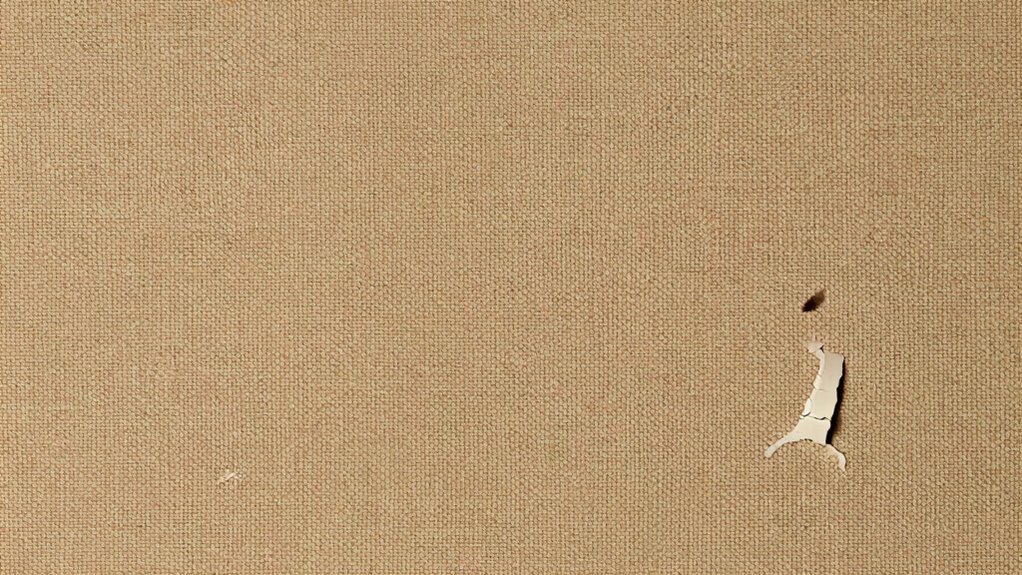
Have you ever wondered what can instantly sabotage the elegant texture of a grasscloth wall? It’s usually something simple yet impactful, like careless maintenance or improper cleaning. Grasscloth, with its natural fibers and textured patterns, exudes warmth and sophistication. But it’s also delicate, and certain actions can quickly undermine its beauty. When you ignore the specifics of textured patterns or mishandle natural fibers, you risk ruining the look forever.
One of the fastest ways to damage a grasscloth wall is by using harsh chemicals or abrasive cleaners. These can strip away the protective finish that helps maintain its natural appearance. Grasscloth’s textured patterns are made from intertwined natural fibers like jute, sisal, or hemp, which are inherently porous and absorbent. When you expose these fibers to excessive moisture or aggressive cleaning agents, they swell, warp, or discolor. The subtle depth created by textured patterns gets flattened or muddied, making the wall look dull and worn rather than refined. Proper cleaning methods are essential to preserve its integrity and appearance.
Harsh cleaners can strip protective finishes, causing fibers to swell, warp, and dull the textured beauty of grasscloth walls.
Another mistake that can ruin your grasscloth wall is over-wetting during cleaning or repairs. Since natural fibers are hygroscopic, they absorb moisture easily, and too much liquid can cause swelling or mold growth. If you try to scrub away stains with too much water or use a damp cloth without proper drying, you’re inviting damage that’s hard to reverse. The textured patterns may become distorted or develop dark spots that are nearly impossible to eliminate. This not only ruins the visual appeal but also compromises the integrity of the material. Regular maintenance techniques are essential to keep the fibers in good condition and prevent long-term damage. Additionally, neglecting proper ventilation can trap humidity in the space, further risking moisture-related issues. Using appropriate cleaning products designed specifically for natural fibers can further help in maintaining its beauty.
Applying too much pressure when cleaning or attempting to repair tears can also ruin the delicate texture. Grasscloth’s natural fibers are fragile, and aggressive handling can cause fibers to loosen or break. Once the textured patterns are disrupted, it’s challenging to restore the original look. Even minor abrasions or rough handling can leave permanent scars, breaking the seamless elegance that makes grasscloth so desirable. Being gentle and patient during cleaning or repairs helps maintain the integrity of the textured surface.
Finally, neglecting regular maintenance can be detrimental. Dust and dirt settle into the textured patterns over time, dulling the surface’s natural luster. Without gentle brushing or light vacuuming, these particles become embedded, obscuring the intricate weave of natural fibers. Over time, this buildup can cause discoloration and diminish the wall’s refined appearance. Additionally, understanding proper cleaning techniques and respecting the delicate fibers are crucial for preserving its beauty.
In short, the fastest way to ruin a grasscloth look is by mishandling its natural fibers and textured patterns. Respect its delicate nature, avoid harsh cleaners, and practice gentle maintenance. Only then can you preserve its beautiful, sophisticated appeal for years to come.
natural fiber wall cleaning spray
As an affiliate, we earn on qualifying purchases.
As an affiliate, we earn on qualifying purchases.
Frequently Asked Questions
Can Grasscloth Wallpaper Be Cleaned With Water?
You shouldn’t clean grasscloth wallpaper with water, as it isn’t water-resistant. Water can damage the delicate fibers, causing staining or warping. Instead, use gentle cleaning methods like a soft, dry cloth or a vacuum with a brush attachment to remove dust. For stains, spot clean carefully with a damp cloth and mild soap, but avoid soaking the wallpaper. Always test a small area first to prevent damage.
How Long Does Grasscloth Wallpaper Typically Last?
Think of your grasscloth wallpaper as a delicate garden; with proper care, it can last 10 to 15 years. Its durability varies depending on exposure and maintenance. I once saw a beautifully installed piece that aged gracefully over a decade, developing a charming patina. To maximize your wallpaper’s lifespan, avoid excessive moisture and direct sunlight, which can accelerate wear and tear, shortening its overall durability.
Is Grasscloth Suitable for High-Moisture Areas?
Grasscloth isn’t ideal for high-moisture areas because its texture durability suffers when exposed to excessive moisture. It lacks moisture resistance, which can cause the fibers to warp, stain, or develop mold over time. If you want to use it in humid spaces, consider applying a protective sealant or choosing a more moisture-resistant wallpaper. This way, you preserve its beautiful texture and prevent damage caused by moisture.
What Are Common Signs of Grasscloth Damage?
You’ll notice crinkling, peeling, or discoloration—like your wall’s trying to escape or change its outfit—if your grasscloth suffers damage. These signs threaten texture preservation and signal damage. To prevent this, avoid excess moisture and rough handling. If you see these signs, act fast—damage prevention is key. Otherwise, you risk turning your stylish wall into a patchwork of misery, sabotaging your décor’s elegance and texture.
Can Grasscloth Be Painted or Re-Finished?
Yes, you can paint or re-finish grasscloth to update its look, but it’s delicate. You need to take into account the fabric texture and wall aesthetics; using a high-quality, breathable paint ensures the texture remains visible without damaging the material. Lightly cleaning the surface first is essential, and applying thin coats helps preserve the natural beauty. Always test a small area first to avoid ruining the overall appearance.
As an affiliate, we earn on qualifying purchases.
Conclusion
If you want to preserve that beautiful grasscloth look, avoid harsh chemicals and excessive moisture—these are the quickest ways to ruin it. Did you know that improper cleaning can decrease its lifespan by up to 50%? Keep your wall covering looking fresh by handling it gently and consulting experts for maintenance. With just a little care, you can enjoy the natural elegance of grasscloth for years to come without risking costly damage.
As an affiliate, we earn on qualifying purchases.
As an affiliate, we earn on qualifying purchases.
Columbus Day / Indigenous Peoples' Day Picks
long weekend sales
As an affiliate, we earn on qualifying purchases.