Mass-loaded vinyl fits into a better wall plan by adding dense mass directly over drywall or existing surfaces, blocking sound transmission effectively. It works best when combined with other soundproofing techniques, like decoupling drywall from studs and sealing gaps. Layering MLV with insulation or resilient channels further enhances noise reduction. This multi-layered approach boosts your wall’s soundproofing, creating a quieter space. Keep exploring how these methods come together for ideal results.
Key Takeaways
- MLV adds mass to walls, significantly reducing sound transmission between rooms.
- It is most effective when layered with other insulation materials like mineral wool or fiberglass.
- Proper sealing and installation ensure minimal gaps, maximizing soundproofing performance.
- Combining MLV with decoupling techniques, such as resilient channels, enhances overall soundproofing.
- Integrating MLV into a multi-layered wall system creates a more effective, sustainable soundproofing solution.
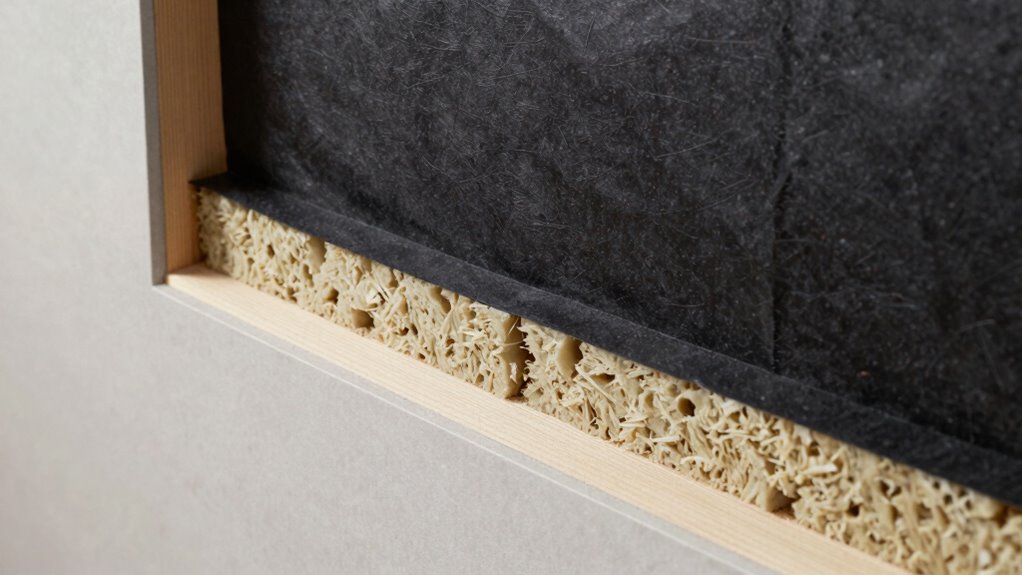
When planning for a quieter, more soundproof wall, mass-loaded vinyl (MLV) is one of the most effective materials you can choose. It’s a popular choice among soundproofing techniques because of its dense, flexible nature that helps block noise transmission. Incorporating MLV into your wall plans can markedly improve sound insulation, especially when combined with other wall insulation options. You want your space to be peaceful, and understanding how MLV works within your overall wall design makes a big difference.
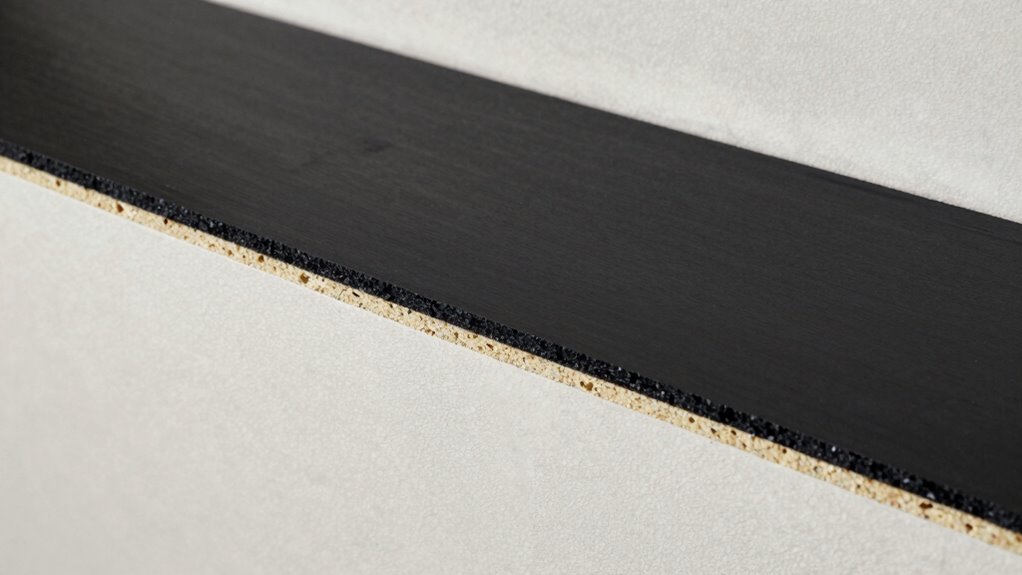
First, you should consider how MLV fits into your existing wall structure. It’s typically installed directly over drywall or existing wall surfaces, acting as an added barrier against sound. Because of its high density, it absorbs and prevents sound waves from passing through, making it ideal for home theaters, bedrooms, or offices where minimal noise transfer is essential. When integrating MLV, you’ll want to look into soundproofing techniques that maximize its effectiveness. For example, creating a “room within a room” design or decoupling the drywall from the studs can prevent sound vibrations from traveling through the walls. MLV works best when it’s properly sealed and layered to avoid gaps or leaks that could compromise the soundproofing. Additionally, understanding the soundproofing techniques available can help you optimize your wall design. Exploring soundproofing methods can provide further ideas for enhancing your wall’s performance.
Consider how MLV fits over drywall, sealing gaps to maximize soundproofing effectiveness.
In terms of wall insulation options, MLV can be combined with other materials like mineral wool, fiberglass batts, or foam panels. This layered approach enhances overall soundproofing by adding mass and insulating properties, reducing sound reverberation. You might also consider installing resilient channels or sound clips to decouple the drywall from the studs further, amplifying the noise reduction. When planning your wall assembly, think about how each component contributes to your goal—MLV provides mass, while other insulation options absorb and block sound waves more efficiently. This multi-layered strategy makes your wall more effective against a broad range of noise sources. Incorporating sustainable building materials can also contribute to environmentally friendly soundproofing solutions. Additionally, researching eco-friendly soundproofing options can help you select materials that are both effective and sustainable.
Ultimately, your goal is to design a wall that minimizes noise transmission without sacrificing space or aesthetics. Mass-loaded vinyl plays an essential role in this, acting as a core component within a thorough soundproofing plan. It’s versatile, easy to install, and highly effective when combined with thoughtful construction techniques and suitable wall insulation options. Understanding how biodiversity and sustainable practices influence building materials can also lead to more environmentally friendly soundproofing solutions. By understanding how to incorporate MLV into your wall plans and employing soundproofing techniques that optimize its properties, you’ll create a quieter, more peaceful environment.
mass loaded vinyl soundproofing material
As an affiliate, we earn on qualifying purchases.
As an affiliate, we earn on qualifying purchases.
Frequently Asked Questions
How Long Does Mass-Loaded Vinyl Last Once Installed?
Mass-loaded vinyl can last 20 years or more once installed, provided you use proper installation techniques and consider durability factors. To maximize its lifespan, guarantee it’s securely attached, avoid moisture exposure, and handle it carefully during installation. Regular inspections help catch any damage early. With proper care and installation, your mass-loaded vinyl will maintain its soundproofing qualities for decades, making it a reliable, long-term solution.
Can Mass-Loaded Vinyl Be Painted or Decorated Over?
You can’t directly paint or decorate over mass-loaded vinyl because it’s designed for soundproofing, not aesthetics. However, you can use decorative options like fabric covers, wall panels, or wallpapers over it. If you choose to paint, follow specific painting guidelines: clean the surface thoroughly, use a primer suitable for vinyl, and select a paint that adheres well without compromising its soundproofing abilities.
Is Mass-Loaded Vinyl Effective Against Airborne or Impact Noise?
Mass-loaded vinyl is effective against airborne noise because its dense material blocks sound waves from passing through walls. It also helps reduce impact noise by adding mass and damping vibrations, which minimizes noise transfer from impacts like footsteps or dropped objects. While it’s highly efficient for airborne noise, its impact noise reduction is enhanced when combined with other soundproofing methods, creating a quieter, more peaceful space.
What Are the Environmental Impacts of Using Mass-Loaded Vinyl?
Think of mass-loaded vinyl as a sturdy shield in a battle for environmental sustainability. While it effectively blocks noise, it’s made from non-biodegradable materials, posing challenges for recycling options. Its production consumes energy and resources, contributing to environmental impacts. To minimize this, look for eco-friendly alternatives or recycled mass-loaded vinyl. Ultimately, balancing soundproofing with environmental responsibility means choosing options that respect our planet’s health.
How Does Mass-Loaded Vinyl Compare in Cost to Other Soundproofing Materials?
Mass-loaded vinyl usually costs more upfront compared to other soundproofing materials like acoustic foam or fiberglass insulation, but offers superior sound-blocking performance. For cost comparison, it’s more expensive per square foot but provides better material diversity, allowing you to layer it with other materials for optimized results. While the initial investment is higher, its durability and effectiveness can make it more cost-efficient over time, especially in demanding soundproofing applications.
soundproof drywall insulation kit
As an affiliate, we earn on qualifying purchases.
As an affiliate, we earn on qualifying purchases.
Conclusion
So, next time you’re designing a wall, consider mass-loaded vinyl—it’s more than just soundproofing. Many believe it’s the ultimate solution, but research shows it works best when combined with other insulation methods. Don’t rely solely on it; instead, integrate it into a complete plan. This way, you’re not just guessing, but making an informed choice that truly enhances your walls’ soundproofing. Your space will thank you for it.
resilient channels for soundproof walls
As an affiliate, we earn on qualifying purchases.
As an affiliate, we earn on qualifying purchases.
As an affiliate, we earn on qualifying purchases.