TL;DR
Luxury decorative throw pillows combine considered materials, skilled construction, and design that suits your room; price alone does not prove quality. Compare the cover and insert separately, test color and pattern in your own space, and check care instructions before buying. A few well-proportioned pillows can add more comfort and character than a crowded sofa.
Luxury decorative throw pillows bring together fabric, workmanship, shape, and color. In this guide, you’ll learn how to compare materials and inserts, mix patterns without visual clutter, choose a practical number for your furniture, and care for delicate covers. You’ll also see what to check before paying for a label or a sustainability claim.

Get furniture and decor delivered free with Prime
- Fast, free delivery on millions of items
- Prime Video, Amazon Music and more included
- Member-only deals all year
The goal is simple: pillows that feel inviting when you sink into the sofa and still look considered when you walk into the room.
Judge quality by fabric, stitching, insert details, care instructions, and return terms; “luxury” is not a standardized grade.
Choose an insert for the cover’s size, fabric, and intended feel, and check the maker’s recommendation before buying.
Mix large and small patterns with a repeated color and a solid or subtle texture to keep the arrangement balanced.
Keep pillows in proportion to your sofa or bed, and leave enough seating space for daily comfort.
Check labels, swatches, and sourcing details: cleaning needs, room lighting, and specific production information all matter.
What makes a throw pillow feel truly luxurious?
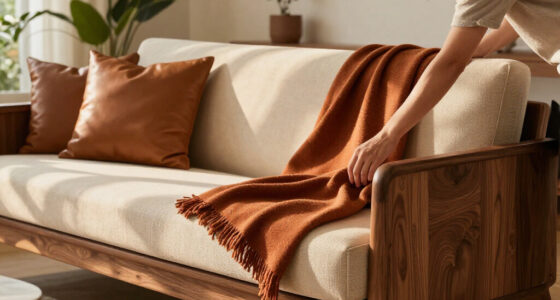
A luxury decorative throw pillow earns its name through the combination of its fabric, construction, finish, and design—not price alone. Look closely at how the seams meet, whether the closure feels sturdy, and how the fabric handles light and touch. A smooth silk cover catches a window’s glow; a nubby wool weave adds a quieter, tactile warmth.Common materials include linen, velvet, silk, wool, cotton, and cashmere blends, and each brings a different mood and care burden. Velvet can deepen jewel tones, while linen brings a relaxed, softly rumpled look. Details such as hand embroidery, piping, fringe, woven motifs, and carefully matched seams can show skilled work, but check that they suit your household. Long fringe may catch on a dog’s claws, and delicate embroidery may need professional cleaning.
“Luxury” has no standardized quality grade. Treat it as a prompt to inspect specifics: fiber content, insert composition, stitching, care label, and return policy. For example, if two covers look similar online, a clear fiber label and a removable cover may make one the more useful purchase. Feel, finish, and care tell you more than a glamorous product name.
Products Worth Considering

Philips Hue Amarant Outdoor Smart Light Bar, Black

Levoit Core 300S-P Smart Wi-Fi Air Purifier

Roborock Qrevo S Pro Robot Vacuum and Mop with Multifunctional Dock
As an affiliate, we earn on qualifying purchases.
How to choose an insert that keeps its shape
Luxury decorative throw pillows look their best when the insert suits the cover and the way you plan to use it. Down and feather fills feel soft and moldable; synthetic down alternatives can suit animal-free preferences or simpler care routines. The terms “down” and “feather” describe different fills, and their proportions affect loft, feel, and price.- Check the cover dimensions and the maker’s insert recommendation before ordering.
- Choose a feel: soft and squashable for lounging, or firmer for a pillow that holds a crisp shape.
- Compare fill details, including whether the insert contains down, feathers, or synthetic material.
- Test the finished shape by pressing the center and checking how the corners fill.
A slightly fuller insert can make a cover look plump, but too much stuffing can strain the seams or distort the pattern. Imagine a 20-inch square cover: an insert a little larger may give it a full, tailored look, while a stiff, overfilled insert can turn it into a hard block. Follow the maker’s guidance and consider the fabric. A heavy embroidered cover may need a different feel than a light linen one.
The cover and insert are separate components. If your insert still feels springy and fits well, you can change only the cover for a seasonal refresh rather than buying a whole new pillow.
How to mix patterns and colors without crowding the room
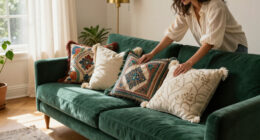
Luxury decorative throw pillows make a room feel cohesive when you vary pattern scale, repeat a few colors, and give the eye a quiet place to rest. Pair a large floral print with a small geometric pattern and a solid velvet or textured weave. This mix creates contrast without asking every pillow to compete for attention.Start with the room’s existing colors. If your sofa is charcoal and your rug has muted green, a cream pillow with a green botanical print can connect the two; a rust-colored solid can add warmth. Screens often shift fabric color, so request a swatch and look at it beside the sofa in morning light and under your evening lamps. That small step can save you from a blue that looks gray at home.
Pattern scale matters as much as color. A large print can dominate a compact arrangement, while tiny motifs may read as texture from across the room. For example, try one broad stripe at each end of a sofa, a smaller floral near the center, and a plain nubby cover between them. The arrangement feels layered because the patterns differ, but repeated colors tie them together.
Use the furniture as your guide. A low, narrow loveseat can look overwhelmed by oversized cushions, while a deep sectional can absorb larger pillows. Leave clear seating space; the arrangement should invite you to sit, not make you move a cushion to find the seat.
How many pillows belong on your sofa or bed?
Luxury decorative throw pillows should fit the scale of your furniture and leave room for everyday use. There is no fixed correct count: a small loveseat may need just two, while a wide sectional can support a more generous arrangement. The test is whether the furniture still looks balanced and feels comfortable when you sit down.On a compact sofa, two medium pillows at the ends can frame the seating without swallowing it. On a long sofa, you might use two larger pillows at the corners and one smaller accent in the middle. For a bed, start with the pillows you sleep on, then add a restrained front layer in a different shape or texture. A stack of decorative cushions can look polished at noon and become a nightly obstacle if you have nowhere to put them.
Try this quick layout before you buy:
- Measure the furniture and note its seat depth or bed width.
- Choose the largest pair first to set the arrangement’s scale.
- Add one contrasting texture or print if the furniture still has space.
- Sit down and test it; remove any pillow that blocks comfortable seating.
A couple who use their sofa for evening reading may prefer two supportive cushions and one soft accent. A formal sitting room that sees occasional guests can handle a fuller display. Your routine matters as much as the room’s appearance.
Which fabrics suit your home and care routine?
Luxury decorative throw pillows are a better buy when their fabric fits the room’s wear and cleaning needs. Delicate silk and loose weaves may look beautiful in a quiet bedroom, while tightly woven textiles can be easier to live with on a family-room sofa. Check the care label before choosing, especially if the cover has embroidery, fringe, or a saturated dye.For a home with children or pets, consider a removable cover with a clear cleaning method and a fabric that resists snagging. A tightly woven cotton or performance textile may tolerate daily use better than delicate silk. That does not make the silk a poor choice; it may simply belong on a chair the cat cannot claim as a scratching post. A washable cover can be especially helpful after a snack-time spill, but verify the label rather than assuming every removable cover can go in the washing machine.
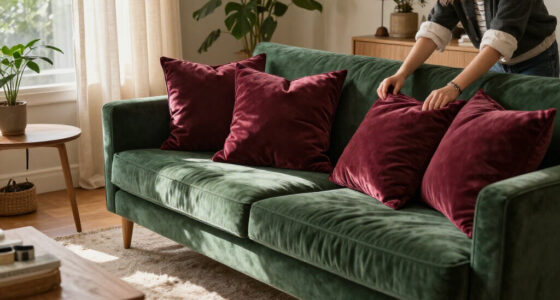
Colorfastness and light matter, too. A strong afternoon sun can fade fabric near a window over time. If you are choosing a deep red or green cover, ask about care and color stability, and test a swatch in the spot where the pillow will live. A pillow that looks like warm burgundy under store lighting may read purple beside your evening lamp.
Care needs are part of the value. A less expensive cover that needs frequent professional cleaning may cost more to maintain than a sturdier option you can spot-clean at home. Follow the care instructions, and treat a delicate cover gently from the start.
How to judge price, craftsmanship, and responsible sourcing
Luxury decorative throw pillows offer value when the materials and workmanship justify the cost for you. Compare fiber content, seam quality, insert details, closure, cleaning needs, and return terms alongside the design. A high price can reflect artisan labor or distinctive fabric, but it can also reflect brand positioning; the label alone does not tell you what you are getting.Look for concrete information about sourcing and manufacturing if responsible production matters to you. Specific fiber details, traceable sourcing, named certifications, and a clear account of how the item is made give you something to evaluate. Broad labels such as “eco-friendly” do not explain whether the fibers are recycled, where they came from, or how the product was produced.
A made-to-order pillow might solve a real problem: perhaps your window seat needs a custom rectangle that standard sizes cannot fill. In that case, paying more for a better fit may make sense. If you are buying a square accent pillow mainly to change a room’s color, a well-made cover you can reuse with an existing insert may be the better value.
Compare the total experience, not just the first impression. A cover with strong seams, a practical closure, and care instructions you can follow may stay in rotation for years. Because the insert is separate, you can also move a favorite cover to another room or pair it with a different insert as your needs change.
Frequently Asked Questions
What makes a throw pillow luxury?
A luxury pillow usually combines considered fabric, skilled construction, thoughtful design, and a finish that suits its use. Check materials, seams, insert details, and care instructions; price alone does not confirm quality.Should the insert be the same size as the cover?
Not always. A slightly fuller insert can create a plump shape, but the best fit depends on the cover’s fabric, construction, and intended look. Check the maker’s recommendation so you do not strain the seams.How do I mix pillow patterns without making a room look busy?
Vary the pattern scale, repeat one or two colors already in the room, and add a solid or quiet texture for visual rest. For example, pair a large floral with a small geometric and a plain velvet cover.Which pillows work best in a home with pets or children?
Look for tightly woven fabrics, removable covers, and clear cleaning instructions. Performance textiles may be more practical for daily spills or snagging than delicate silk or loose weaves.How do I clean luxury pillow covers?
Follow the care label. Some covers can be washed, while delicate fibers and embellishments may need spot cleaning or professional care; do not assume a removable cover is machine washable.How can I tell whether a pillow is responsibly made?
Look for specific details about fiber content, material sourcing, manufacturing, labor, and any relevant certifications. A broad “eco-friendly” claim by itself does not tell you how the pillow was made.Conclusion
Choose pillows by how they feel, how they are made, and how well they fit your room and routine. Before you buy, check the insert, examine the care label, and compare a fabric swatch with the sofa in the light where it will sit.A thoughtful pair of cushions can make a living room feel like a place you want to settle into, not a showroom you are afraid to touch. Let the room breathe, then make yourself comfortable.