
TL;DR
Apartment Therapy showcases five ways brown can contribute to interiors beyond seasonal decorating, using examples from real homes. The approaches include painting walls and ceilings, adding a brown rug or camel sofa, using dark wood panels, and introducing small brown textile accents.
Apartment Therapy has highlighted five ways brown can shape home interiors, drawing on real-home examples that range from color-drenched walls to small textile accents. The report presents brown as a flexible design choice that can add warmth, contrast, texture or visual weight, rather than a color reserved for fall.

Get furniture and decor delivered free with Prime
- Fast, free delivery on millions of items
- Prime Video, Amazon Music and more included
- Member-only deals all year
The examples show how different applications change the effect. Interior designer Dylan Bradley painted the walls and ceiling of the living room and kitchen in his Sacramento rental in Tonester’s deep tan shade, “Black Orange.” The same-color treatment creates a continuous look in the space, which is just under 400 square feet, and relates to the greenery outside the windows.
In a Brooklyn rental, writer Sarah Ingle uses a brown rug over dark hardwood in a bedroom with light blue walls. The rug adds texture and echoes the floor’s color, while its contrast helps distinguish it from the lighter wall color. Another example is a camel-colored velvet sofa in Chloe Livingston’s Jersey City apartment, offering a lighter alternative to deep brown furniture.
The remaining examples use brown in wood and textiles. DIYer Savanna Fernandez installed stained plywood panels in her living room; she said the panels made the room feel richer and more architectural, and reported spending about $80 on wood, stain and nails. In a Brooklyn apartment belonging to Luke and Jordan Smith, brown textiles add depth to a sleeping area with white walls. The article links those accents to Jordan and her mother’s annual trips through the American Southwest.
5 ways brown transforms interiors beyond fall
Real-home examples show how brown can add warmth, contrast, texture or visual weight at different scales.
Choose your scale of change
The examples range from a room-wide treatment to a few small details.
Paint walls and ceiling
A deep tan in a Sacramento rental created a continuous look in a space just under 400 square feet.
Add a rug or camel sofa
A brown rug echoed dark hardwood; camel velvet brought in a lighter shade of brown.
Use dark wood panels
Stained plywood added a richer, more architectural feel and was described as removable.
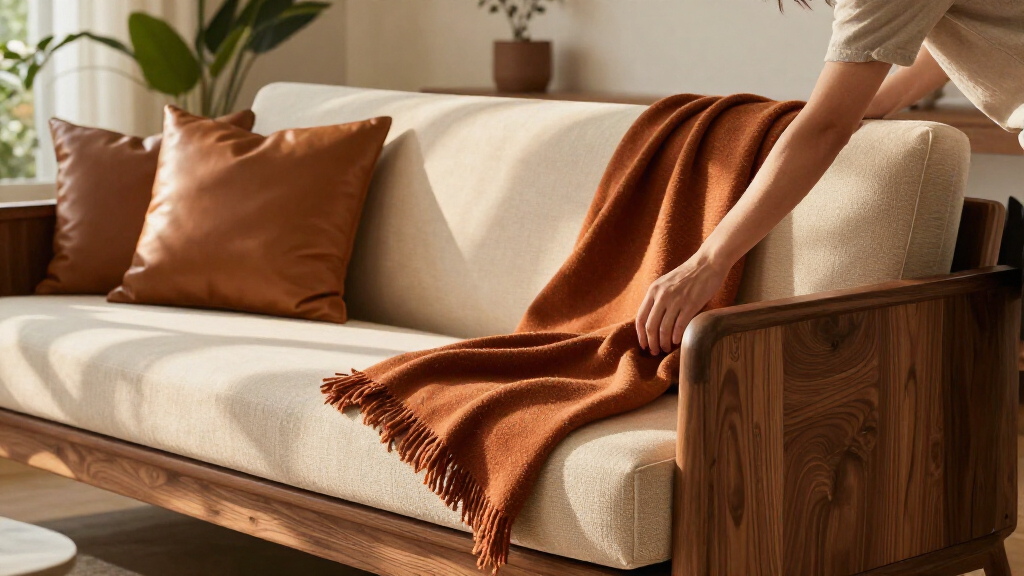
Layer brown textiles
A few details added depth to a sleeping area with white walls.
Match the approach to the room
Brown’s effect depends on where it appears and what surrounds it.
- Paint walls and ceiling for a unified, enclosing atmosphere.
- Install wood panels for added visual weight.
- Try a rug that relates to existing wood floors.
- Use camel upholstery or a few textile accents.
A changing color backdrop
The article describes brown’s place in interiors over time.
Brown’s Range Across a Room
The examples make the case that brown’s effect depends on where and how it is used. Paint across walls and ceilings can create a unified, enclosing atmosphere; a rug can connect with existing wood flooring; and a camel sofa can bring in brown without the visual weight of a dark shade. Wood panels and small textile details offer still other ways to add the color.
For renters or people wary of committing to a full repaint or an expensive piece of furniture, the report’s examples also illustrate lower-commitment options, including rugs and accents. Fernandez’s plywood treatment was described as removable, while the textile example relies on a few details rather than a room-wide color change. These are design examples, not guarantees that a particular shade or technique will suit every space.
Products Worth Considering

Dyson V15 Detect Cordless Vacuum

Dyson V9 Motorbar Cordless Vacuum

Blueair Blue Pure 211i Max Smart Air Purifier for Large Rooms
As an affiliate, we earn on qualifying purchases.
From Chocolate Paint to Accents
The article places brown’s renewed visibility in a recent design timeline. Its author recalls brown as a popular complementary color in the early 2000s, followed by a period when white, soft neutrals and gray became more prominent. Chocolate-brown paint, the article says, began gaining popularity again in 2024, with interest continuing in the period covered by the report.
It also notes that Benjamin Moore named a brown a 2026 color of the year, though the article’s examples show that adopting the color need not mean painting an entire room. Brown appears in paint, wood, flooring, rugs, sofas and bedding, giving readers several different scales of change to consider.
What the Examples Cannot Establish
The report offers individual home-tour examples, not survey data or measurements of how widely brown is being adopted. It does not quantify the color’s popularity, compare it with other current interior trends, or establish that brown will remain prominent. It also does not give the full specifications, costs or performance details for every furnishing and material mentioned.
Some commercial details may change: the article’s sofa discount and product prices were accurate at publication, but current availability and pricing are not confirmed here. The examples show possible design effects in particular homes; they do not establish that the same paint shade, rug or wood treatment will produce the same result in another room.
Ways to Try Brown at Home
Readers interested in the ideas can begin with the scale of change that fits their home: a brown textile for a small accent, a rug to relate to existing floors, lighter camel upholstery, dark wood, or a fuller paint treatment. The article points readers to Apartment Therapy’s collection of additional real-home examples for more inspiration.
No product launch or formal design forecast is announced in the report. Its practical next step is to use the five examples as references and evaluate colors and materials in the room where they would be used.
Source: rss
Key Questions
What are the five ways the article shows brown being used?
It features color-drenched walls and ceilings, a brown rug, lighter brown furniture, dark brown wood panels, and small brown textile accents.
Does brown have to mean dark paint?
No. The examples include camel and tan furniture, rugs, wood and textiles, as well as deep brown paint.
How much did the plywood panel project cost?
Savanna Fernandez reported spending about $80 on the plywood, stain and nails for her living-room panels.
Does the article prove brown is a widespread trend?
No. It presents examples from real homes and describes a renewed interest in brown, but gives no market data or survey measuring how common the trend is.
Source: apartmenttherapy.com