
TL;DR

Get furniture and decor delivered free with Prime
- Fast, free delivery on millions of items
- Prime Video, Amazon Music and more included
- Member-only deals all year
ArchiWorkshop, in collaboration with Siaplan, has proposed a radical redesign of Seoul’s Gwangnaru sports complex. The project converts the site into an open, multi-level civic infrastructure featuring a continuous public roof terrace, emphasizing movement, community, and landscape integration.
ArchiWorkshop, in collaboration with Siaplan, has unveiled a proposal to transform Seoul’s Gwangnaru sports complex into a large, open civic infrastructure featuring a continuous public roof terrace, emphasizing connectivity, public activity, and landscape integration. The project aims to redefine the site’s historic role as a river crossing into a dynamic urban space that supports both everyday life and sporting events.
The proposal, named Urban Weave, introduces a three-dimensional framework composed of horizontal plates, terraces, circulation routes, and layered program zones that interweave sports, cultural, and community functions. Central to this design is a fighting sports arena—covering disciplines like taekwondo and mixed martial arts—that is integrated into the broader civic structure rather than functioning as a standalone venue.
Instead of traditional vertical stacking, the design emphasizes horizontal and layered relationships, creating overlapping circulation and activity zones. The roof operates as a civic element, extending toward the surrounding park and opening as an accessible public terrace oriented toward the Han River. Beneath this roofscape, shaded zones and porous edges connect interior programs with the urban fabric, fostering a continuous pedestrian network that links existing fragmented facilities and extends toward the river edge.
Transforming Seoul’s Sports Infrastructure into Civic Space
This project matters because it proposes a new model for sports complexes—moving away from isolated venues to integrated, multi-purpose civic infrastructures that promote community engagement, urban connectivity, and landscape integration. By reimagining the site as a continuous urban field, it aligns with contemporary trends toward flexible, accessible public spaces that serve multiple functions beyond sports.
Products Worth Considering

Ring Floodlight Cam Wired Plus, 1080p HD Outdoor Security Camera with Motion-Activated Floodlights, 4-Pack, White
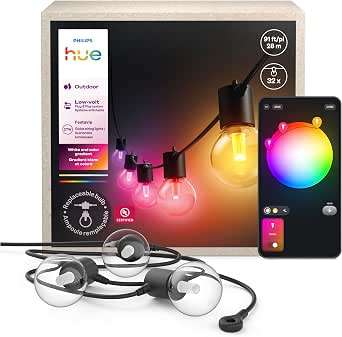
Philips Hue Festavia Globe Outdoor String Lights, 32 Bulbs, 91 ft

Ring Outdoor Cam 4K Plus Battery Security Camera, 3-Pack, White
As an affiliate, we earn on qualifying purchases.
Historical Role of Gwangnaru as a River Crossing
Gwangnaru has historically served as a key crossing point along the Han River, facilitating movement, gathering, and urban activity. The existing sports complex is part of this legacy but has become fragmented over time. The proposal aims to reinterpret this historical function through a contemporary spatial system that emphasizes movement, exchange, and continuity, transforming the site into a civic hub that reconnects urban and landscape elements.
“The Urban Weave project redefines the sports complex as a continuous civic infrastructure, emphasizing public space and landscape integration.”
— an anonymous researcher
Details of Implementation and Community Response Unclear
It is not yet clear whether the project has secured funding, received official approval, or how the local community has responded to the proposal. Details about timeline, construction phases, or integration with existing infrastructure remain to be announced.
Next Steps Include Public Consultation and Design Refinement
The project team is expected to conduct further consultations with stakeholders and refine the design before seeking official approval. If approved, construction could begin in the coming years, transforming Gwangnaru into a model of civic, sports, and landscape integration.
Key Questions
What is the main goal of the Urban Weave project?
The main goal is to transform the Gwangnaru sports complex into an open, multi-level civic infrastructure that supports community activity, sports, and landscape integration through a continuous public roof terrace.
Does the project replace existing sports facilities?
Yes, it reimagines the site as a flexible, open framework rather than a traditional enclosed sports venue, reorganizing existing facilities into a layered, interconnected urban space.
When might construction begin?
Details are still pending; the project is currently in the design refinement and approval phase, with no confirmed timeline for construction.
How does this project connect to Seoul’s urban landscape?
The design aims to reconnect fragmented facilities, extend circulation toward the Han River, and serve as a transitional space between the city and waterfront, enhancing urban connectivity.
What role does the rooftop terrace play?
The rooftop terrace functions as an accessible public space for gathering, leisure, and circulation, extending the urban ground into the landscape and providing views of the Han River.
Source: designboom