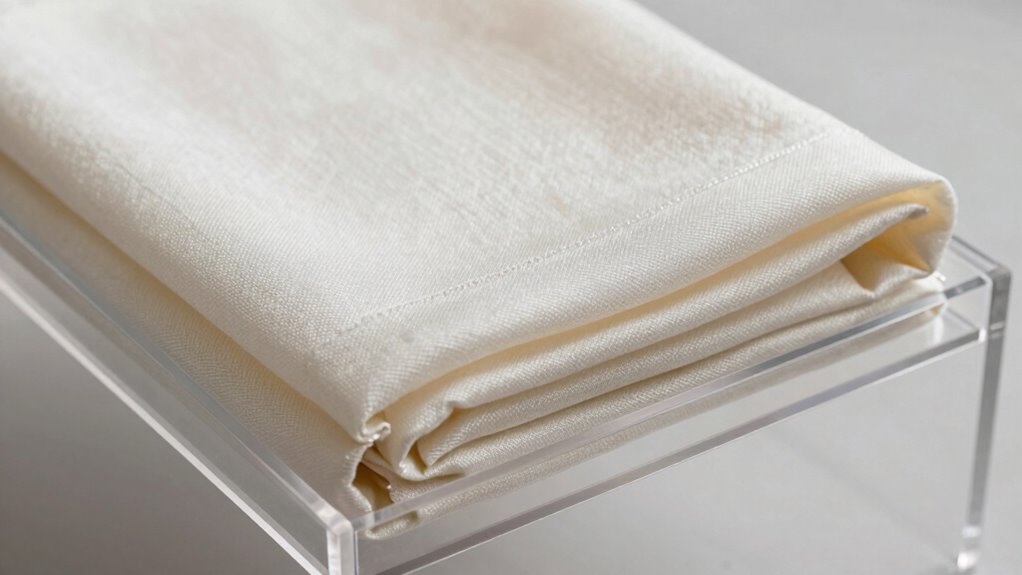
To frame textiles without adding bulk, use lightweight, acid-free mounting materials like archival boards and tissue paper for gentle support. Keep the fabric taut but avoid overstretching, and choose flat embellishments such as fine stitches or applique instead of bulky decorations. Opt for shallow frames with spacers or mats to prevent pressing against the glass. Following these tips helps maintain a sleek and elegant display—discover more ways to preserve your textiles effectively as you continue exploring.

Get furniture and decor delivered free — and shop member deals
- Fast, free delivery on millions of items
- Access to Prime Big Deal Days deals on October 6–7
- Prime Video, Amazon Music and more included
Key Takeaways
- Use shallow frames with spacers or mats to prevent direct contact and reduce depth.
- Support textiles with acid-free mounting boards and tissue to keep them taut without adding bulk.
- Opt for flat embellishments like embroidery or appliqué, avoiding protruding or bulky decorations.
- Choose minimal, fine sewing stitches or fabric tape for secure but unobtrusive attachment.
- Support the textile evenly with lightweight, archival-quality backing materials to maintain shape without volume.
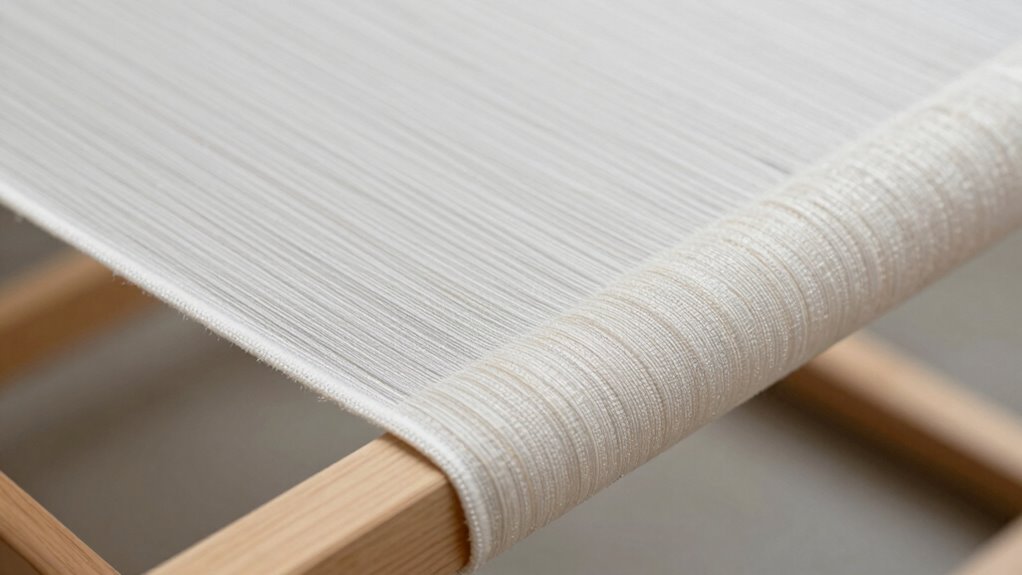
Have you ever wondered how textiles become works of art or cherished keepsakes? The secret lies in how you choose to display and protect them. When framing textiles, the goal is to highlight their beauty without creating bulky or overwhelming displays. You can achieve this by carefully selecting embellishment techniques and preservation methods that keep the textile flat and well-supported. Avoiding added bulk ensures your piece remains elegant and accessible, whether it’s a delicate embroidery or a vintage quilt.
Start by considering how you’ll prepare the textile. Light cleaning and gentle handling are *vital* to preserve its integrity. To keep the fabric smooth and flat, you might use acid-free mounting materials that won’t damage the fibers over time. When it comes to embellishment techniques, opt for methods that add minimal bulk. For example, using fine sewing stitches or fabric tape can secure the textile to a backing without creating puffiness or puckering. These techniques help maintain the textile’s original texture while providing a neat, polished look. If you want to add decorative elements, choose flat embellishments like appliqué or embroidery that don’t protrude excessively, keeping the overall profile slim. Additionally, understanding the importance of proper preservation techniques can significantly extend the lifespan of your textile display. Proper conservation methods designed specifically for textiles help prevent deterioration and maintain the fabric’s original appearance over time. Incorporating archival-quality materials is essential for ensuring long-term protection against environmental damage. Using acid-free mounting supplies further supports the fabric without risking chemical reactions that could harm the fibers.
Light cleaning and minimal embellishments preserve textile integrity and maintain a sleek, polished display.
Archival-quality mounting boards and acid-free tissue paper can support the textile gently without stressing the fibers. You can stretch the fabric slightly onto a mount, *making certain* it stays taut but not stretched tight, which might cause distortion. Incorporating acid-free materials minimizes the risk of chemical damage over time. Framing with a spacer or mat can add a clean border that prevents the glass from pressing directly against the textile, reducing the risk of damage or condensation. When selecting a frame, choose one with a shallow profile, so it doesn’t add unnecessary depth or weight. This approach keeps the display elegant and easy to hang.
Incorporating these techniques allows you to showcase your textiles beautifully while avoiding bulky, cumbersome frames. The key is to focus on subtle support and minimal embellishment, which together safeguard the fabric and enhance its visual appeal. Proper preservation methods will *guarantee* your textile remains in excellent condition over time, while thoughtful embellishment techniques keep the presentation refined and unobtrusive. With a little planning, you can create a framed display that respects the textile’s delicate nature and highlights its artistic or sentimental value—without sacrificing elegance or simplicity.
acid-free mounting boards for textiles
As an affiliate, we earn on qualifying purchases.
As an affiliate, we earn on qualifying purchases.
Frequently Asked Questions
What Type of Glass Is Best for Framing Textiles?
You should choose float or UV-protective glass for framing textiles, as these glass types prevent glare and protect your fabric from harmful UV rays. Opt for a glazing that’s clear and lightweight to avoid bulkiness. Use framing techniques like spacers or matting to keep the textile flat and prevent damage. These methods, combined with the right glass, guarantee your textile stays pristine without adding unnecessary weight or volume.
How Do I Prevent Color Fading Over Time?
To prevent color fading and enhance fabric longevity, you should protect your textiles from direct sunlight by using UV-filtering glass or acrylic in your frame. Keep the textile in a cool, dry environment, and avoid exposure to humidity or temperature fluctuations. Additionally, use acid-free backing and proper mounting techniques to prevent deterioration. Regularly inspect your textile and handle it with clean hands to maintain its vibrant colors over time.
Can Framing Damage Delicate or Antique Textiles?
Imagine you’re framing a delicate antique textile, and concern arises about potential damage. Framing can harm fragile or antique textiles if you don’t follow proper handling precautions, like using acid-free materials and avoiding adhesives. Properly mounted, the frame supports texture preservation and prevents stress on fibers. However, improper framing can cause tears or distortions. Always consult a textile conservator for expert handling, ensuring your textile remains pristine and safe.
What Are the Best Mounting Options for Lightweight Fabrics?
For lightweight fabrics, use acid-free fabric adhesives or mounting techniques that avoid staples or tacks, which can damage delicate textiles. Double-sided acid-free tape works well for secure, non-bulky mounting. You might also consider sewing the fabric onto a supportive backing with fine stitches, ensuring it remains flat without adding bulk. These methods help preserve the textile’s integrity while providing a clean, professional display.
How Do I Clean Framed Textiles Without Damage?
To clean framed textiles without damage, you should use gentle cleaning tools like a soft brush or a low-suction vacuum with a brush attachment. Avoid water or harsh chemicals, and instead rely on preservation techniques like spot cleaning with a damp cloth or professional conservation methods if needed. Always test a small area first and handle the textile carefully to prevent tearing or distortion during cleaning.
shallow picture frames for textiles
As an affiliate, we earn on qualifying purchases.
As an affiliate, we earn on qualifying purchases.
Conclusion
Think of your textiles as stories woven with memories and meaning. When you frame them thoughtfully, you’re creating a window into your world—an invitation to explore your history without overwhelming your space. Just like a delicate butterfly pinned without crushing its wings, your textiles can be preserved beautifully, symbolizing your unique journey. Frame with care, and let your textiles breathe, whispering their tales softly, adding depth and charm to your home without the weight of bulk.
archival tissue paper for fabric preservation
As an affiliate, we earn on qualifying purchases.
As an affiliate, we earn on qualifying purchases.
As an affiliate, we earn on qualifying purchases.
Fall Picks
fall essentials
As an affiliate, we earn on qualifying purchases.