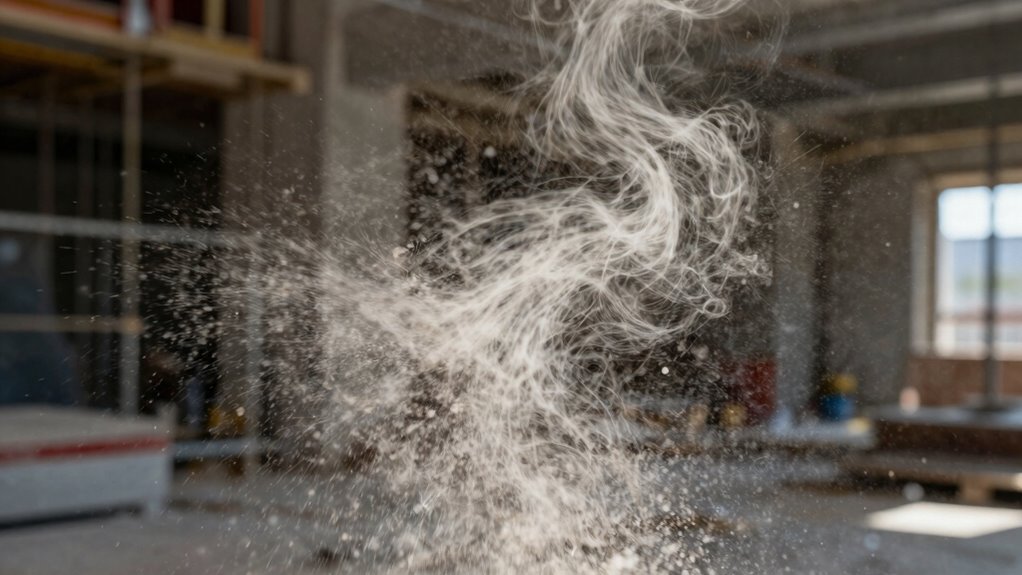

Drywall dust contains tiny particles, often less than 5 microns, that can easily spread throughout your space, posing health risks and lowering air quality. Standard filters can’t trap these fine particles effectively, so dust recirculates and settles everywhere. HEPA filters, capturing at least 99.97% of particles as small as 0.3 microns, are essential for maintaining a safe environment. If you want to guarantee better air quality and safety, understanding how to choose the right filtration solutions is key.
Key Takeaways
- Drywall dust particles are tiny (<5 microns) and easily pass through standard filters, requiring HEPA-level filtration for effective removal.
- HEPA filters capture 99.97% of airborne particles, significantly reducing drywall dust and improving indoor air quality.
- Using HEPA filtration prevents dust recirculation, protecting respiratory health during and after drywall work.
- Standard filters often fail to trap fine drywall dust, leading to increased surface contamination and health risks.
- Proper HEPA-level filtration ensures a cleaner, safer environment by effectively managing airborne drywall dust particles.
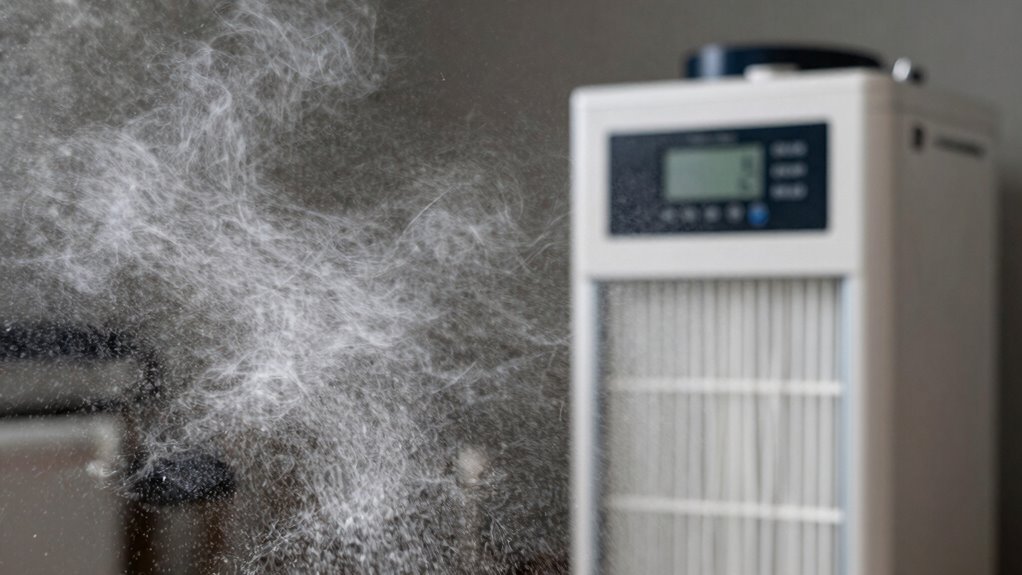
When you’re working with drywall, dust becomes an inevitable byproduct that can quickly spread throughout your space. As you sand, cut, and shape drywall, airborne particles are released into the air, making it difficult to breathe comfortably and creating a mess that’s tough to contain. These tiny particles aren’t just a nuisance; they can pose serious health risks if not properly managed. That’s why understanding the importance of effective filtration systems, especially those with HEPA-level filtration, is vital in maintaining a safe and clean environment.
Airborne particles from drywall dust are incredibly small, often less than 5 microns in diameter, which makes them easily airborne and capable of traveling long distances. These fine particles can settle on surfaces, infiltrate HVAC systems, and linger in the air for extended periods. Without proper filtration, these particles accumulate, leading to poor indoor air quality and potential respiratory issues for anyone in the space. Standard filters often fall short because they can’t trap these tiny particles effectively. HEPA filters, on the other hand, are designed to capture at least 99.97% of particles as small as 0.3 microns, making them highly effective against airborne drywall dust.
HEPA filters capture 99.97% of drywall dust particles as small as 0.3 microns, ensuring cleaner, healthier indoor air.
Using filtration systems equipped with HEPA filters during drywall work isn’t just about keeping the air clean; it’s about protecting your health and guaranteeing a safer workspace. These systems work by pulling contaminated air through a dense filtration medium that traps airborne particles, preventing them from recirculating into the room. This process markedly reduces dust levels, helping you breathe easier and keeping surfaces cleaner. It’s especially important if you’re working in a confined space or if multiple people are involved in the project, as the concentration of airborne particles can quickly escalate without proper filtration. Proper dust management techniques can further enhance the effectiveness of your filtration efforts and prevent dust from spreading beyond the work area. Additionally, understanding the size of airborne particles can help you select the most efficient filtration methods for your specific needs. When choosing filtration equipment, it’s essential to consider the filtration efficiency to ensure optimal dust removal. Whether you’re using portable air purifiers, dust extractors, or whole-house filtration systems, prioritizing HEPA-level thinking helps you control airborne particles effectively. In the end, it’s about being proactive, protecting your lungs, and maintaining a safe, healthy space where dust doesn’t take over.

MOOKA Air Purifiers for Home Large Room up to 1076ft², H13 True HEPA Air Filter Cleaner, Odor Eliminator, Remove Smoke Dust Pollen Pet Dander, Night Light, B-D02L White
MOOKA B-D02L AIR PURIFIER FOR LARGE ROOM: With the high-efficiency filtration system, the air purifier covers an area…
As an affiliate, we earn on qualifying purchases.
As an affiliate, we earn on qualifying purchases.
Frequently Asked Questions
How Often Should HEPA Filters Be Replaced During Drywall Projects?
You should replace HEPA filters every 6 to 12 months during drywall projects, depending on dust levels. Regular air filtration and dust containment rely heavily on clean filters, ensuring effective removal of drywall dust particles. If you notice decreased airflow or increased dust in the air, it’s time to change the filters. Consistent replacement maintains peak filtration performance and keeps your workspace healthier and safer throughout the project.
Can HEPA Filters Remove All Types of Drywall Dust?
HEPA filters are highly effective at removing most drywall dust particles, substantially improving air quality and dust filtration during projects. However, they may not capture very fine particles like silica or certain chemical fumes. To guarantee thorough dust control, use HEPA filters in combination with other ventilation methods. This approach helps you maintain a safer workspace by reducing airborne contaminants and protecting your health.
Are HEPA Filters Necessary for Small Drywall Repairs?
A stitch in time saves nine, so you should consider HEPA filters for small drywall repairs. While they’re not always necessary, using HEPA filters helps trap fine drywall dust, preventing it from circulating and exacerbating issues like paint fumes. Good ventilation strategies, like opening windows or using exhaust fans, work better with HEPA filters. This way, you maintain cleaner air, reduce health risks, and keep your space fresh during repairs.
What Are the Health Risks of Drywall Dust Exposure?
Drywall dust can pose serious health risks, especially to your respiratory health, if inhaled regularly. It can irritate your lungs, cause coughing, and worsen asthma symptoms. Poor indoor air quality from drywall dust exposure can lead to long-term respiratory issues and allergies. To protect yourself, guarantee proper ventilation, wear masks, and use HEPA filters to trap tiny particles, maintaining a safer environment and healthier indoor air quality.
How Do HEPA Filters Compare to Standard Air Purifiers?
Did you know HEPA filters remove 99.97% of particles as small as 0.3 microns? Compared to standard air purifiers, HEPA filters greatly improve air quality by trapping fine drywall dust and allergens. They require regular filter maintenance to stay effective, but their superior performance makes them worth the effort. If you’re concerned about indoor air health during drywall projects, HEPA filters are a smart, efficient choice.

Shark Upright Vacuum Cleaner | Navigator Lift-Away Deluxe | Pet Hair, Carpet & Hard Floor Cleaning | Upholstery & Crevice Tool | HEPA Filter | Swivel Steering | Large Dust Cup Capacity | Blue | NV360
POWERFUL SUCTION FOR CARPET & HARD FLOORS: Clean carpets and hardwood floors with strong multi-surface suction. This lightweight…
As an affiliate, we earn on qualifying purchases.
As an affiliate, we earn on qualifying purchases.
Conclusion
Don’t let drywall dust sneak up on you like a silent thief. Using HEPA-level filtration is your first line of defense, turning your space into a fortress of clean air. Think of it as your shield against invisible enemies, protecting your lungs and peace of mind. When you prioritize proper filtering, you’re not just cleaning dust—you’re safeguarding your health and creating a sanctuary where you can breathe freely and feel truly at home.

CADPXS Shield-550 Air Scrubber 550 CFM with 3-Stage Filtration, Negative Air Machine, Airborne Cleaner HEPA Scrubber, Water Damage Restoration Equipment, Commercial Air Purifier
【Whole-Home HEPA Air Scrubber】 CADPXS Shield-550 HEPA air purifier removes large airborne particles, including smoke, pet dander, pollen,…
As an affiliate, we earn on qualifying purchases.
As an affiliate, we earn on qualifying purchases.
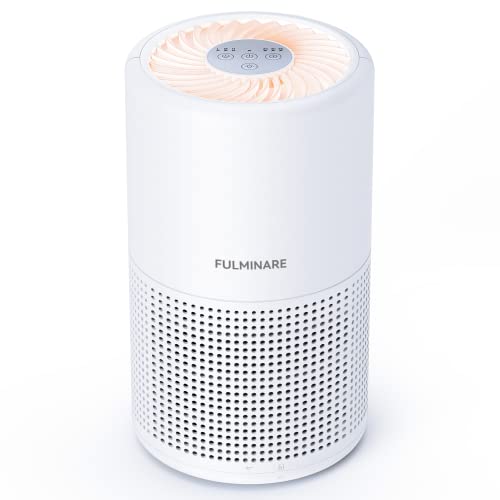
Air Purifiers for Bedroom, FULMINARE H13 True HEPA Air Filter, Quiet Air Cleaner With Night Light, Portable Small Air Purifier for Home, Office, Living Room
Efficient Particle Filtration: FULMINARE air purifier uses an H13 HEPA filter. Simply turn it on and maintain a…
As an affiliate, we earn on qualifying purchases.
As an affiliate, we earn on qualifying purchases.