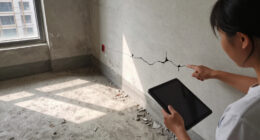

White walls can sometimes look green or pink because of lighting conditions, surrounding colors, and how your eyes interpret the environment. Natural daylight shows colors more accurately, but artificial lights like incandescent or fluorescent bulbs can cast warm or cool tints that distort perceptions. Nearby objects, like plants or furniture, also influence how you see the walls, creating subtle hue shifts. If you want to understand how to prevent these illusions, keep exploring the factors behind color perception.
Key Takeaways
- Perceived color shifts are due to visual perception and lighting effects, not actual paint changes.
- Different light sources, like incandescent or fluorescent, can make white walls appear pink or green.
- Surrounding colors, such as green plants or red furniture, influence how the brain perceives wall color.
- Moving between lighting environments causes temporary hue perception changes due to visual adaptation.
- Consistent, neutral lighting helps maintain the true appearance of white walls.

White walls can sometimes appear to have a green or pink tint, and this phenomenon often puzzles homeowners and decorators alike. You might wonder why a simple white surface can seem to change color under different conditions. The answer lies in how our eyes perceive color and how lighting effects influence that perception. Color perception is highly subjective and can be affected by surrounding colors, ambient light, and even the materials used in your space. When you see a white wall looking subtly green or pink, it’s usually not an actual change in the paint but a trick of the eye caused by lighting effects.
Lighting plays an essential role in how you see color. Natural daylight, with its broad spectrum, tends to show colors more accurately, but artificial lighting can alter the way white walls look. For example, incandescent bulbs emit warm, yellowish light that can cast a pinkish hue on white walls, especially if the walls are close to warm-colored furnishings or decor. Conversely, fluorescent lights often have a cooler, sometimes greenish tint, which can make white walls appear tinged with green. These lighting effects don’t change the paint itself; instead, they influence the way your eyes interpret the colors they see.
Your surroundings also contribute to this color perception. If you have a lot of green plants or furniture with cool tones nearby, your brain may interpret the white walls as having a slight green tint because of visual contrast and the way your eyes adjust to dominant colors. The same goes for pink or warm tones if your room has red or pink accents. Your brain constantly processes these visual cues and adjusts your perception accordingly, making your white walls seem to shift in hue without any actual change in the paint. Additionally, ambient light conditions can intensify or lessen these perceived color shifts, further emphasizing the importance of consistent lighting. Being aware of how lighting quality impacts color perception can help you create a more harmonious space. Remember that visual adaptation also plays a role in how colors are perceived, especially when moving between different lighting environments.
The way your eyes adapt to different lighting environments also affects how you perceive color. When transitioning from natural daylight to artificial light, your visual system adjusts, sometimes causing the perceived hue to shift temporarily. Understanding how lighting effects impact color perception helps you realize that these shifts are natural and temporary, not flaws in your paint job. To minimize unwanted color shifts, consider using consistent lighting sources and neutral-colored decor, which help your walls appear their true white regardless of external influences.
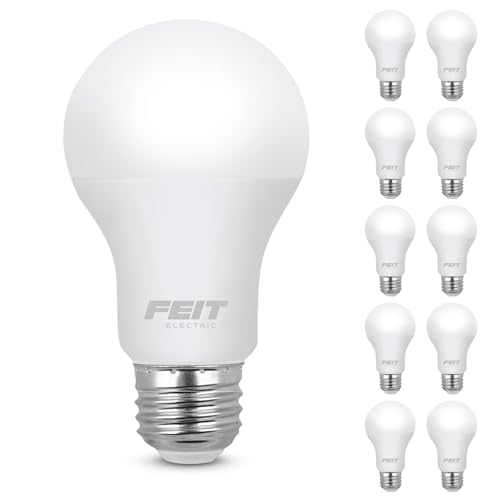
Feit Electric A19 LED Light Bulb, 60W Equivalent, E26 Medium Base, 800 Lumen, 3500K Neutral White Light, Indoor/Outdoor General-Purpose Light Bulbs, 11,000-Hour Lifetime, A800/835/10KLED/10, 10 Pack
- Light Color: 3500K neutral white light
- Brightness: 800 lumens of output
- Energy Efficiency: 10W replaces 60W bulb
As an affiliate, we earn on qualifying purchases.
As an affiliate, we earn on qualifying purchases.
Frequently Asked Questions
Can Lighting Conditions Affect the Color Appearance of White Walls?
Yes, lighting conditions can change how white walls look. Natural light, which varies throughout the day, can make white walls appear warmer or cooler, sometimes shifting toward pink or green hues. Artificial lighting, like fluorescent or LED lights, also influences color perception, often giving walls a different tone. So, depending on the lighting, your white walls might seem to change color, even though they’re actually the same.
Do Different Paint Brands Have Varying Effects on Wall Color Perception?
Think of paint brands as different chefs crafting the same dish; each brings unique ingredients. Your perception of wall color varies because of paint consistency and subtle color undertones. Some brands emphasize warm undertones, making white walls appear pinkish, while others highlight cooler tones, giving a greenish hue. Selecting the right brand guarantees your walls look just as you envision, with consistent color and the perfect undertones to match your space.
How Does Surrounding Furniture Influence the Perceived Color of White Walls?
Your surrounding furniture influences the perceived color of white walls through color reflection. Bright or colorful furniture can cast subtle hues onto the walls, making them appear slightly tinted. Dark furniture may absorb light, emphasizing the pure white. The influence varies with the furniture’s color, material, and placement, creating a dynamic effect on how you perceive the white walls. So, furniture influence plays a key role in your room’s overall color perception.
Are There Specific Wall Materials That Cause Color Shifts in White Paint?
Certain wall materials, like textured or rough surfaces, can cause color shifts in white paint due to differences in paint composition and how light reflects. For example, textured walls may scatter light differently, making the white appear slightly tinted. Smooth, glossy surfaces reflect light evenly, maintaining true color. So, if your wall’s texture or material varies, it can influence how the white paint looks, sometimes giving it a subtle green or pink hue.
Can Cleaning Products Alter the Color of Painted White Walls?
Imagine you’re in a medieval castle—cleaning products can indeed alter the color of your white walls. Harsh chemicals may cause paint oxidation, especially on textured surfaces, leading to subtle color shifts like pink or green tints. When you use strong cleaners or solvents, they can break down the paint’s pigments or finish, revealing underlying hues or causing uneven fading. Always opt for gentle, paint-safe cleaners to maintain your walls’ true white tone.

Dimmable E26 Warm LED Light Bulb, 6W RGBW Color 500LM with 16 Color Changing Modes for Christmas, Party etc with Remote Control 2 Pack
- Remote-controlled RGB LED bulb: Dimmable with remote control for versatile use
- Dimmable and flicker-free: Adjust brightness easily for perfect ambiance
- Multiple lighting modes and colors: Includes 4 modes and 16 colors for customization
As an affiliate, we earn on qualifying purchases.
As an affiliate, we earn on qualifying purchases.
Conclusion
Just as Monet’s water lilies shift with the changing light, your white walls reflect subtle hues based on their surroundings. By understanding the interplay of light and color, you gain the power to interpret these gentle shifts—transforming an ordinary space into a canvas of perception. So, next time your walls hint at green or pink, remember it’s nature’s own way of painting the room, inviting you to see beauty in every fleeting nuance.

White Paint, White Paint for Wall, White Touch up Paint for Walls with Roller 100g, Water Based, Low Odor, Quick-drying, Suitable for Covering Stains, Scratches, Graffiti, DIY
- Seamless Coverage: Covers cracks and stains in one swipe
- Fast Drying: Dries within one hour for quick use
- Water-Based Formula: Low odor and family-friendly
As an affiliate, we earn on qualifying purchases.
As an affiliate, we earn on qualifying purchases.
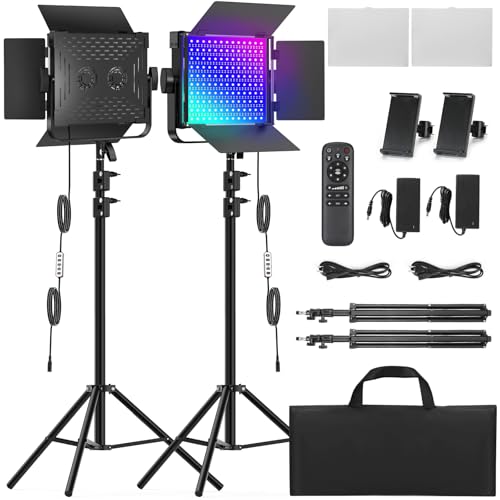
2-Pack RGB Photography Lighting Kit, 50W Bi-Color Professional LED Studio Lights, 2300k~8500k Dimmable Photo Lights for Photography Filming Camera Video Recording Stage Shooting Streaming TikTok
- 【Master Photography Lighting】Drove by powerful LED chips-efficiency up…
- 【Bi-Color Mode& RGB Colors】 With 252 warm white…
- 【Adjustable Tripod Stand & 360° Rotate Angles】The light…
As an affiliate, we earn on qualifying purchases.
As an affiliate, we earn on qualifying purchases.