
To effectively place art in niches and alcoves, choose pieces that fit the size and shape of each space, using integrated or accent lighting to highlight textures and create mood. Confirm your artwork complements the architectural style, whether modern or traditional, by coordinating colors or contrasting materials. Layer objects or use built-in shelving for visual interest. Proper lighting and thoughtful layout turn these spaces into enthralling displays—keep exploring to discover how to elevate your art presentation further.
Key Takeaways
- Choose art that complements the size and shape of the niche or alcove for balanced display.
- Incorporate integrated or spot lighting to highlight artwork and enhance depth.
- Use consistent materials or color schemes for seamless integration with the surrounding wall.
- Layer objects or artworks within the space to create dynamic, visually appealing displays.
- Adjust lighting and positioning to suit different moods and emphasize architectural features.
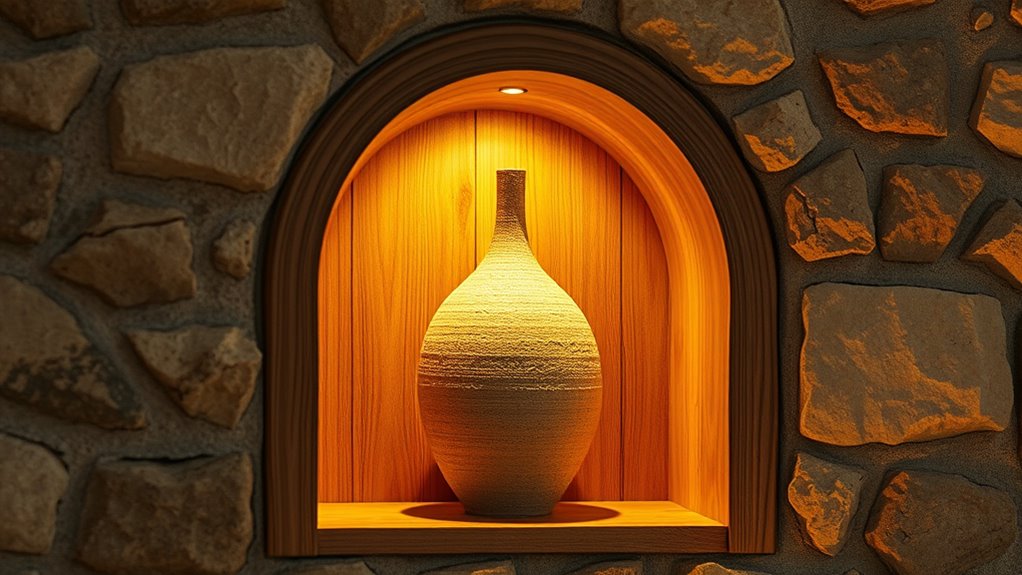
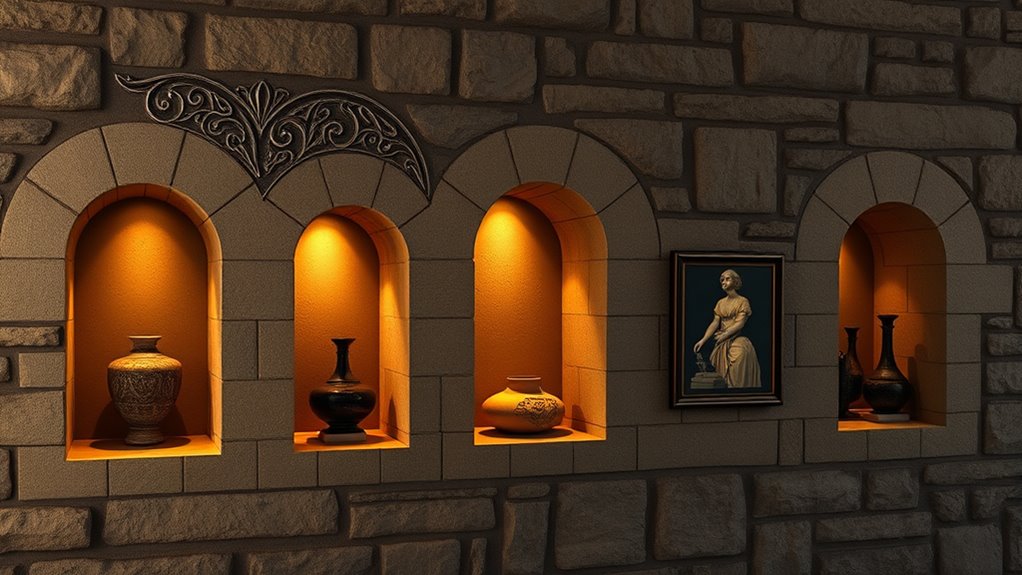
Niches and alcoves are architectural features that create small, recessed spaces within walls, adding depth and character to a room. They’re perfect for showcasing art because they naturally draw the eye and can serve as intimate display areas. When you’re considering how to best utilize these spaces for art placement, lighting techniques become essential. Thoughtful lighting enhances the artwork’s visibility, highlights textures, and creates mood. For niches and alcoves, integrated lighting—such as LED strip lights or small spotlights—works beautifully because it emphasizes the depth of the space without overwhelming the art. You can install these lights flush with the wall or ceiling to maintain a seamless look, ensuring the lighting feels like a natural extension of the architecture. Dimmable options allow you to adjust the ambiance depending on the time of day or the atmosphere you want to create, making your art display versatile and inviting.
Architectural integration is key when you’re working with niches and alcoves. You want your art to complement the space, not compete with it. To achieve this, consider how the design of the niche itself can be part of the overall aesthetic. For example, a simple, clean-lined niche can serve as a modern frame for contemporary artwork, while a more ornate or textured alcove might better suit classic paintings or sculptures. You can also paint the interior of the niche a contrasting or coordinating color to make the art stand out or blend seamlessly with the wall. Incorporating built-in shelving or ledges within the niche allows you to layer objects, combining two- and three-dimensional art forms for a dynamic display. When planning your layout, think about how the niche’s shape and size influence the presentation. Larger alcoves can hold sizable pieces or multiple objects, while smaller ones are ideal for single, focused artworks.
Additionally, paying attention to lighting techniques can dramatically enhance the visual impact of your art, ensuring that each piece is showcased in the best possible way. In terms of architectural integration, consider how the surrounding wall finishes and materials can enhance the overall look. Using the same material or color palette as the wall can make the niche feel like a natural extension of the room, creating a cohesive environment. Alternatively, contrasting materials can add visual interest and draw attention to the art. The key is to balance the space’s architectural features with your art choices, ensuring that each element enhances the other. When you integrate lighting techniques and pay attention to architectural details, your niches and alcoves become more than just architectural quirks—they transform into curated art displays that elevate your entire space.

SIXDEFLY 10 PCS RGB Under Cabinet Lighting Kit, App and Remote Control Led Strip Lights, Music Sync Color Changing Led Lights with ETL Listed Power Adapter, for Cabinet, Counter, Shelf, 16.4ft
- Pre-cut RGB LED Strips: 10 pieces, 16.4ft total length
- Flexible Installation: Connectors for crossing gaps
- Color Customization: Millions of colors to choose from
As an affiliate, we earn on qualifying purchases.
As an affiliate, we earn on qualifying purchases.
Frequently Asked Questions
How Do I Choose the Right Artwork for Small Niches?
You should choose artwork that complements the niche’s proportions, avoiding pieces that are too large or too small. Focus on artwork selection that fits snugly within the space, creating a balanced look. Opt for pieces with simple frames and minimal details to avoid overwhelming the small area. By considering the scale and style, you guarantee the artwork enhances the niche without overpowering or getting lost in it.
What Lighting Options Enhance Art in Alcoves?
Oh, because who doesn’t want their art to be forever in the dark? You should try LED strip lighting for a subtle glow or wall-mounted spotlights to highlight key pieces. Both options cast dramatic shadows and draw attention, making your alcoves pop. Don’t just settle for boring overhead light—these choices turn a simple niche into a mesmerizing focal point that truly showcases your taste.
Can I Use Unconventional Items in Niches Instead of Art?
Yes, you can definitely use unconventional items in niches instead of traditional art. Incorporate decorative lighting to highlight unique objects and create ambiance. Play with textural contrasts by mixing smooth, rough, shiny, and matte items to add visual interest. Items like vintage collectibles, plant arrangements, or sculptural pieces can transform a niche into a mesmerizing focal point, making your space feel personalized and dynamic.
How to Maintain Wall Integrity When Creating New Alcoves?
To maintain wall integrity when creating new alcoves, you should focus on wall reinforcement and proper alcove framing. Start by installing supportive framing inside the wall cavity to prevent structural damage. Reinforce the surrounding wall with additional studs or braces, especially if removing large sections. This approach guarantees the wall stays stable and secure, reducing the risk of cracks or collapse while achieving your desired alcove design.
Are There Specific Colors That Work Best in Niches?
You’ll find that soft, neutral colors like warm beige or light gray work best in niches because they enhance the space without overwhelming it. For example, in a recent case, a homeowner used muted blues in a niche to create a calming atmosphere, leveraging color psychology to evoke tranquility. When selecting wall colors, consider how they interact with your artwork and overall room palette for a harmonious look.

mg sign Shower Niche LED Lighting Kit, 39 Inch 4000K Neutral White Dimmable COB Strip – Silicone Encapsulated Low Voltage Bathroom Shower Accent Light – Cut-to-Fit Installation System
- Luxury Glow: Creates smooth, spa-inspired illumination
- Moisture Resistant: Silicone-encapsulated COB LED for high-moisture areas
- Safe Low Voltage: Supports safer, low-voltage DC operation
As an affiliate, we earn on qualifying purchases.
As an affiliate, we earn on qualifying purchases.
Conclusion
By thoughtfully choosing niches and alcoves, you turn empty spaces into enchanting displays, transforming your home into a gallery of personal expression. Remember, these hidden corners aren’t just empty voids—they’re your chance to showcase your style and tell your story. Embrace their potential, for in the quiet shadows lie the brightest opportunities. Don’t just fill your space—make it unforgettable. After all, isn’t it the smallest corners that often hold the biggest surprises?

Ekena Millwork 23 5/8"W x 43 1/2"H x 6 1/8"D Melonie Niche (RO: 20 2/3"W x 41 1/4"H x 7 1/8"D)
- Product Dimensions: 23 5/8W x 43 1/2H x 6 1/8D inches
- Easy to Install: Simple installation process
- Material: Durable urethane construction
As an affiliate, we earn on qualifying purchases.
As an affiliate, we earn on qualifying purchases.
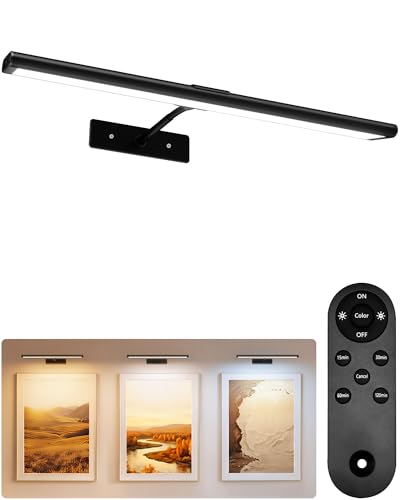
EZVALO Picture Light for Wall, 4800mAh 16'' Rechargeable Wireless IR Remote Built in Battery Lights for Painting, Dimmable Magnetic LED Art Display Light, Colors Temperatures, for Gallery, Living Room
- Rechargeable with USB-C: Built-in 4800mAh battery with USB-C charging
- Long-lasting Battery: Up to 11 hours of illumination after 5-hour charge
- Full Coverage Illumination: 80 LEDs with 150lm, CRI >90%
As an affiliate, we earn on qualifying purchases.
As an affiliate, we earn on qualifying purchases.