TL;DR
In 2026, the trend of decorating with eco-friendly, artisan-crafted wall tapestries continues to grow. Seven top options offer diverse styles, sustainable materials, and craftsmanship, making them ideal for elevating any home decor.
In 2026, the market for stylish, sustainable wall tapestries has expanded, with seven prominent brands offering artisan-made, eco-friendly options designed to elevate home decor. These tapestries, crafted from natural or recycled materials, appeal to consumers seeking both aesthetic appeal and environmental responsibility.
Leading brands such as 54Kibo, West Elm, and The Citizenry now offer a wide range of wall hangings made from sustainable materials like cotton, wool, palm leaves, and recycled textiles. If you’re interested in styling your space, check out our guide on vases for stylish floral arrangements to complement your decor. These products cater to various decor styles, from modern minimalism to boho chic, and are priced to suit different budgets, from $32 to over $650.
Many of these brands prioritize fair trade practices, ethical sourcing, and support for artisan communities worldwide. You can also explore options for indoor planters for houseplants to add greenery to your home. For example, Obakki collaborates with artisans in Africa and Asia, ensuring fair wages and sustainable production methods. Jenni Kayne offers handcrafted woven wall hangings made in Brooklyn and Vietnam, blending luxury with environmental consciousness.
Consumers are increasingly drawn to these options for their durability, craftsmanship, and eco-friendliness. To enhance your space further, consider browsing our selection of stylish vases or indoor planters for houseplants. Additionally, some brands like Quince provide custom framed artwork, allowing for personalized decor that is both stylish and sustainable.
Elevate Your Home Decor With 7 Stylish Wall Tapestries In 2026
The sustainable tapestry movement keeps growing. In 2026, seven leading brands offer artisan-crafted, eco-friendly wall hangings in natural and recycled materials — from modern minimalism to boho chic, priced for every budget.
Seven Brands, Seven Approaches to Woven Art
From Brooklyn weaving studios to artisan cooperatives across Africa and Asia, these labels combine craftsmanship, sustainability, and style — covering decor looks from modern minimalism to boho chic.
West Elm
Affordable entry point starting at $32, with a broad range of sustainable wall hangings in cotton and wool that suit contemporary interiors.
The Citizenry
Handcrafted tapestries made from natural materials by artisan communities, with transparent sourcing and fair trade practices.
54Kibo
Modern African-inspired designs in sustainable fibers, bringing bold geometry and global craft traditions to the wall.
Obakki
Collaborates directly with artisans in Africa and Asia, ensuring fair wages and sustainable production methods.
Jenni Kayne
Handcrafted woven wall hangings made in Brooklyn and Vietnam, blending luxury materials with environmental consciousness.
Quince + More
Quince offers custom framed artwork for personalized decor; a seventh option rounds out the list with palm leaf and recycled textile pieces.
Brand Comparison Matrix
How the featured tapestry makers compare on price, materials, customization, and ethical practices.
| Brand | Entry Price | Natural / Recycled Materials | Custom Options | Fair Trade Focus |
|---|---|---|---|---|
| West Elm | $32 | ✓ Cotton, wool | ✗ | ~ Partial |
| The Citizenry | $$$ | ✓ Natural fibers | ✗ | ✓ Strong |
| 54Kibo | $$ | ✓ Sustainable fibers | ✗ | ✓ Strong |
| Obakki | $$$ | ✓ Natural dyes, fibers | ~ Limited | ✓ Direct partnerships |
| Jenni Kayne | $650+ | ✓ Handwoven textiles | ✗ | ✓ Artisan studios |
| Quince | $$ | ~ Mixed | ✓ Custom framing | ~ Partial |
From Fiber to Finished Wall
The journey behind every 2026 tapestry — how ethical craftsmanship turns raw natural material into statement decor.
Sustainably Sourced
Cotton, wool, hemp, palm leaves, and recycled textiles gathered with ethical practices.
Artisan Crafted
Handwoven by small communities in Africa, Asia, Brooklyn, and Vietnam at fair wages.
Natural Dyes & Details
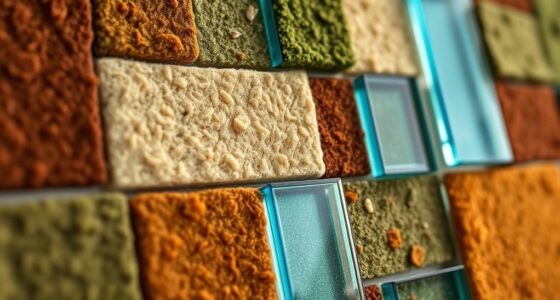
Organic dyes, glass beads, and texture create one-of-a-kind character in each piece.
Ready to Hang
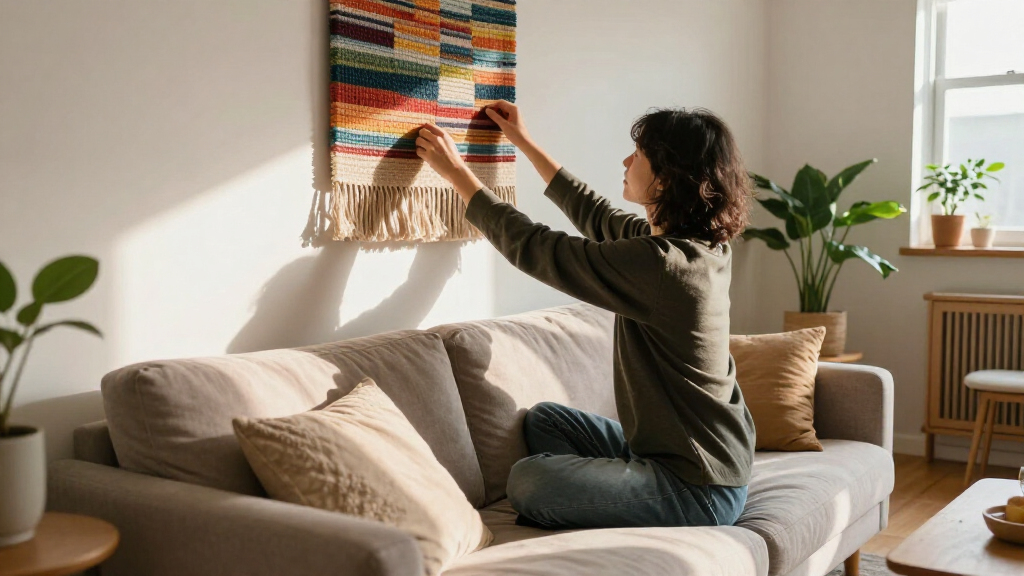
Built-in rods or hanging strips make installation effortless — and instantly transform a room.
“Our collection of eco-friendly tapestries offers a perfect blend of style, craftsmanship, and sustainability, appealing to modern homeowners seeking meaningful decor.”
— A representative from West ElmWhat You’ll Pay in 2026
Entry-level pricing across featured brands — from budget-friendly cotton hangings to luxury handwoven statement pieces.
What’s Next for Eco-Conscious Decor
The movement is gaining momentum — but a few open questions remain as the market matures.
Open question: Long-term durability and the full environmental impact of artisan production on local communities and ecosystems are still being studied. Meanwhile, expect new eco-friendly textiles, sustainability certifications, and greater transparency about sourcing practices through 2026 and beyond.
Are these tapestries easy to install?
Most come ready-to-hang with built-in rods or hanging strips — installation is straightforward for most homeowners.
What materials are commonly used?
Natural fibers like cotton, wool, and hemp, plus recycled textiles, palm leaves, glass beads, and organic dyes.
Are artisan-made tapestries more expensive?
Generally yes, due to craftsmanship and ethical sourcing — but West Elm offers options starting around $32.
How do I care for them?
Gentle dusting or spot cleaning works for most materials; always follow the manufacturer’s care guidelines.
Growing Consumer Demand for Eco-Friendly Wall Decor
The rise of sustainable wall tapestries reflects a broader shift toward eco-conscious living and ethical consumerism. These products enable homeowners to enhance their spaces with unique, handcrafted art while supporting artisan communities and reducing environmental impact. As more brands adopt transparent sourcing and fair trade practices, consumers can make informed choices that align with their values, making this trend a meaningful development in home decor for 2026.
As an affiliate, we earn on qualifying purchases.
2026 Home Decor Trends and Artisan Movement
Over recent years, there has been a significant increase in demand for eco-friendly and artisan-made home decor. The trend toward sustainable materials and fair trade practices has gained momentum, driven by consumers’ desire for authenticity and environmental responsibility. This shift is reflected in the proliferation of brands offering handcrafted tapestries and wall hangings that combine style with sustainability. Notably, these products are often sourced from small artisan communities worldwide, fostering economic development and preserving traditional crafts.
In 2026, this movement continues to grow, with more consumers seeking unique, meaningful decor pieces that tell a story and support ethical production. The popularity of wall tapestries is also reinforced by their versatility, ease of installation, and ability to transform a space quickly, making them a favorite among interior designers and homeowners alike.
“Our collection of eco-friendly tapestries offers a perfect blend of style, craftsmanship, and sustainability, appealing to modern homeowners seeking meaningful decor.”
— A representative from West Elm
As an affiliate, we earn on qualifying purchases.
Remaining Questions About Durability and Long-Term Impact
While the popularity of these tapestries is clear, it is not yet confirmed how well they will withstand long-term use or how their environmental benefits compare to other decor options over time. Additionally, the full impact of increased artisan production on local communities and ecosystems remains to be studied comprehensively.
As an affiliate, we earn on qualifying purchases.
Upcoming Trends and Consumer Choices in 2026 Home Decor
Moving forward, expect continued innovation in sustainable materials and designs, with brands exploring new eco-friendly textiles and techniques. Consumers are likely to prioritize transparency about sourcing and production practices, and more artisans may gain global visibility. Buyers should watch for new collections and certifications that verify sustainability and fair trade standards, shaping the future of eco-conscious home decor in 2026 and beyond.
As an affiliate, we earn on qualifying purchases.
Key Questions
Are these tapestries easy to install?
Most of these wall hangings come with ready-to-hang features, such as built-in rods or hanging strips, making installation straightforward for most homeowners.
What materials are commonly used in these tapestries?
They are typically made from natural fibers like cotton, wool, hemp, or recycled textiles such as palm leaves, glass beads, and organic dyes, emphasizing sustainability.
Are artisan-made tapestries more expensive?
Generally, handcrafted, artisan-made tapestries tend to be priced higher due to their craftsmanship and ethical sourcing, but brands like West Elm offer affordable options starting at around $32.
How do I care for these tapestries?
Care instructions vary by material, but most can be gently dusted or spot cleaned. It’s advisable to follow specific cleaning guidelines provided by the manufacturer to maintain their appearance and longevity.
Can I customize or personalize my wall tapestry?
Some brands, such as Quince, offer custom framing or personalized options, allowing you to select designs that best match your decor and style preferences.
Source: rss