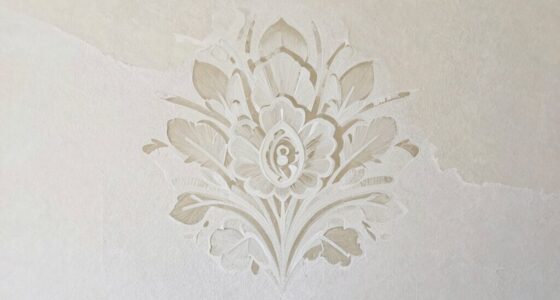
Skim-coat blades can change wall texture more than you expect because their flexibility, sharpness, and your application technique all impact the final look. If your blade is dull, nicked, or too flexible, it may create ripples, waves, or uneven surfaces. Inconsistent pressure or speed can also lead to unexpected textures. By paying attention to your blade condition and technique, you can achieve a smoother finish—more tips on these factors are just ahead.

Get furniture and decor delivered free — and shop member deals
- Fast, free delivery on millions of items
- Access to Prime Big Deal Days deals on October 6–7
- Prime Video, Amazon Music and more included
Key Takeaways
- Improper surface preparation causes uneven application, making texture changes more noticeable with skim-coat blades.
- Worn or dull blades can tear or drag, resulting in unexpected roughness or ripples.
- Using the wrong blade type or excessive flexibility can create waves or inconsistent textures.
- Inconsistent application pressure and technique lead to uneven wall finishes.
- Failure to maintain blades and surfaces can amplify minor imperfections, altering the final texture unexpectedly.
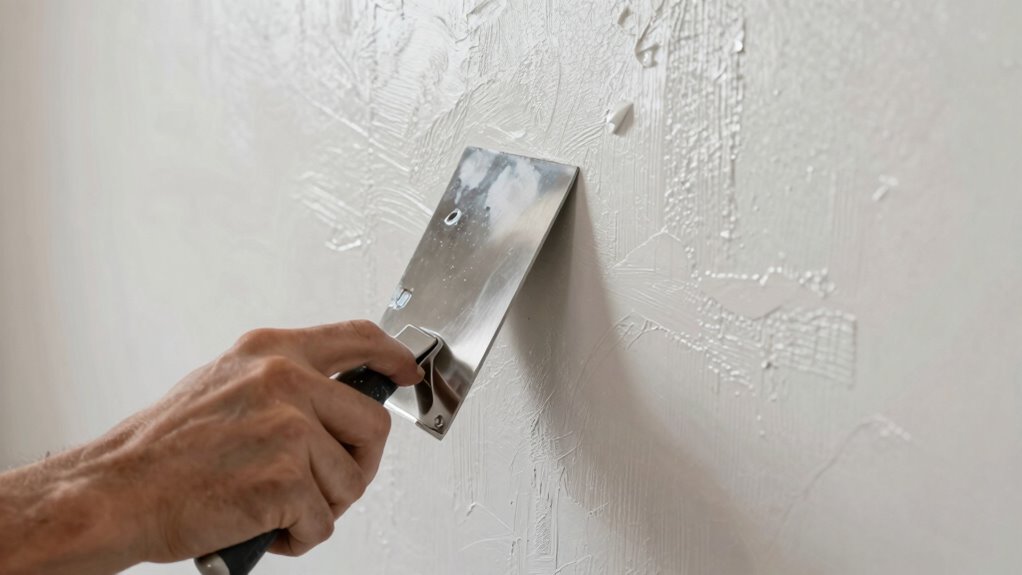
When applying wall textures or skim coating, choosing the right blades is vital for achieving a smooth, professional finish. Your success depends on how well you prepare the surface and maintain your tools throughout the process. Skim-coat blades are designed to spread plaster or joint compound evenly, but they can also influence the final wall texture more than you might expect. The reason lies in the subtle interactions between your blades, surface conditions, and your technique.
First, surface preparation plays a key role. If your wall isn’t properly cleaned, sanded, or primed, the blades have a harder time gliding smoothly across the surface. Dirt, grease, or loose paint create uneven spots that can cause the blade to skip or dig in, leading to inconsistent textures. Even small imperfections can be exaggerated once you start applying the skim coat. That’s why thorough surface prep isn’t just a recommended step; it’s the foundation for predictable results. When you take the time to prepare the surface, your blades can do their job effectively, resulting in a more uniform finish.
Tool maintenance is equally vital. Over time, blades can become dull or nicked, which impacts their ability to spread material smoothly. Dull blades tend to tear or drag the compound, creating uneven layers and unintended textures. Regularly inspecting and maintaining your blades ensures they remain sharp and clean, which translates into better control and a finer finish. Proper cleaning after each use removes residual compound that can cause buildup, and replacing worn blades prevents them from creating rough or inconsistent textures. Poor maintenance leads to blade degradation, which unexpectedly alters the wall’s appearance, making it rougher or more textured than planned.
Another factor is the type of blade you use. Different blades have varying flexibilities and edge profiles, influencing how the compound spreads and how the texture develops. A blade that’s too flexible might create ripples or waves, while a stiff blade could leave marks. Matching the blade to the specific texture and surface condition helps avoid surprises. Keep in mind that your technique also impacts the final look—applying uneven pressure or moving too quickly can cause variations in texture, even with the best blades.
In the end, it’s a combination of proper surface preparation, diligent tool maintenance, and the right blade choice that keeps your wall texture consistent. Skim-coat blades are powerful tools, but they can change the wall’s appearance more than expected if not used correctly. By paying attention to these details, you guarantee a professional finish that matches your vision and stands the test of time.
As an affiliate, we earn on qualifying purchases.
Frequently Asked Questions
Can Different Blade Materials Affect Wall Texture Outcomes?
Yes, different blade materials can affect wall texture outcomes. You should consider surface preparation and primer compatibility because these factors influence how well the blade interacts with the wall. A sharper, high-quality blade made from the right material guarantees smooth application and consistent texture. Using the wrong blade material can cause uneven surfaces, chipping, or dragging, which ultimately impacts the final look. Always match your blade to your wall’s surface and primer type for best results.
How Does Blade Width Influence Texture Consistency?
Blade width crucially influences texture consistency because wider blades cover more surface area, making it easier to achieve even texture adhesion. Narrow blades offer more control for detailed smoothing techniques but can lead to uneven results if not managed properly. Using the right blade width helps maintain uniformity, reduces the need for rework, and guarantees the desired wall texture remains consistent throughout the project.
Are There Specific Wall Conditions That Cause More Blade Wear?
Yes, surface irregularities and poor paint adhesion can cause more blade wear. When your wall isn’t smooth or has rough patches, the blade struggles to glide evenly, leading to uneven pressure and faster deterioration. These conditions force the blade to work harder, increasing wear and affecting the texture finish. Ensuring a smooth surface and proper paint adhesion helps maintain blade longevity and results in a consistent wall texture.
What Maintenance Tips Extend Blade Life During Skim Coating?
Did you know that proper surface preparation can double your blade’s lifespan? To extend it further, always guarantee your blades are well-calibrated before starting. Regularly clean debris and dried joint compound from the blades to prevent uneven wear. Also, avoid excessive pressure during application, which can cause premature dulling. These simple maintenance tips help maintain consistent texture and save you money on replacements.
Can Blade Angle Adjustments Improve Texture Control?
Yes, adjusting the blade angle can improve texture control and enhance finish quality. By fine-tuning your application techniques, you can achieve a smoother or more consistent surface, depending on your needs. Experiment with different angles to see how they impact the texture, and always maintain a steady hand. Proper blade positioning allows for better control, minimizes imperfections, and results in a professional-looking finish.
As an affiliate, we earn on qualifying purchases.
Conclusion
As you glide the skim-coat blade across the wall, you notice the subtle shift in texture—like a gentle breeze stirring a calm lake’s surface. Those blades, though small, wield the power to transform a smooth finish into a surface with unexpected character. With every pass, you’re not just applying compound; you’re shaping the wall’s story. Embrace the change, and let your craftsmanship turn a plain wall into a textured masterpiece, whispering tales with every stroke.
As an affiliate, we earn on qualifying purchases.
wall finishing blades for drywall
As an affiliate, we earn on qualifying purchases.
As an affiliate, we earn on qualifying purchases.
Halloween Picks
halloween
As an affiliate, we earn on qualifying purchases.