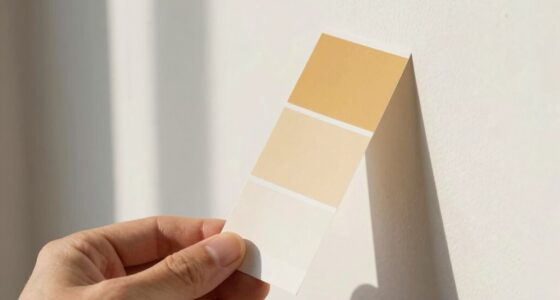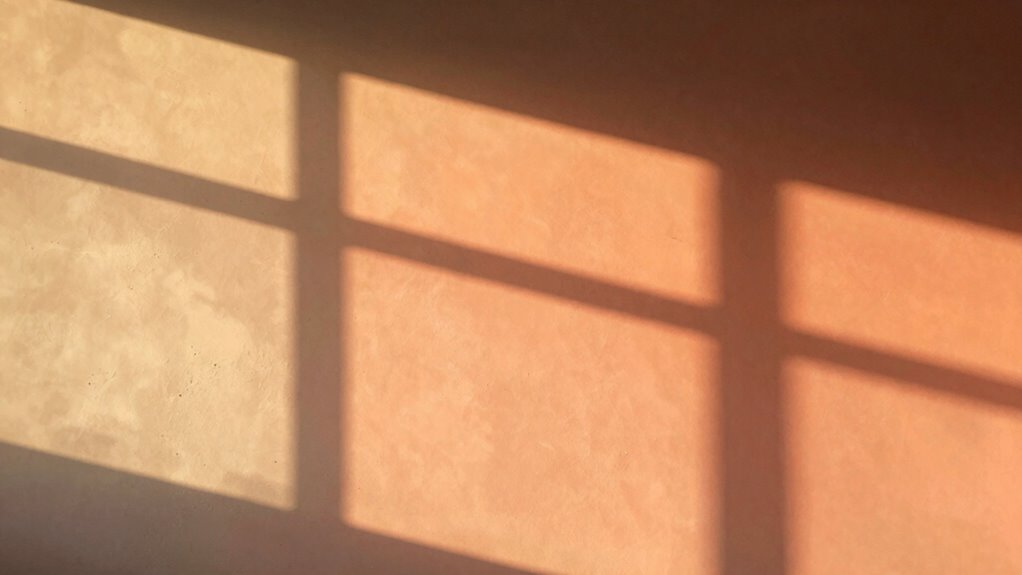

You might notice your wall colors change unexpectedly in the afternoon because natural sunlight shifts throughout the day. The warm, intense light can wash out vibrant hues or make muted shades look richer, depending on the angle and time. These fluctuations can surprise and even frustrate you, affecting your room’s mood. Understanding how sunlight influences color helps you manage these changes, ensuring your space stays harmonious. Keep exploring to discover how to control this natural effect effectively.
Key Takeaways
- Natural afternoon light can cause walls to appear differently due to glare, color washout, or intensified hues.
- Sunlight’s warm, intense quality in the afternoon shifts perceived wall colors, making them seem more vibrant or muted.
- Changes in light angle and intensity throughout the day lead to unpredictable color variations.
- Window treatments and reflective surfaces help manage and control how light affects wall colors.
- Understanding light’s influence allows for better space planning and decor adjustments to maintain consistent ambiance.
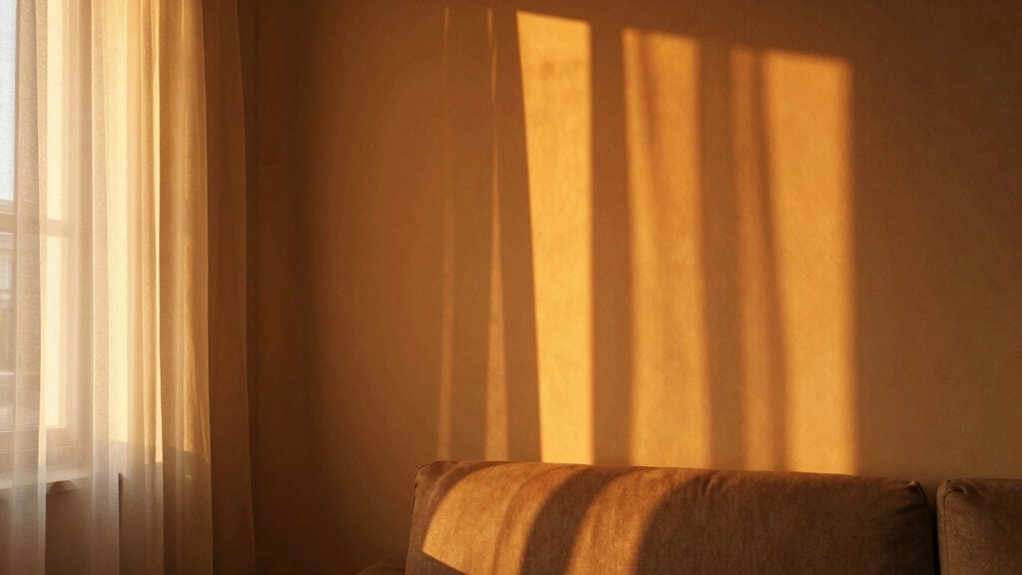
As the afternoon light filters through the window, it often creates a glare that makes it difficult to focus or see clearly. This natural light can dramatically influence how you perceive your walls’ colors, sometimes in unexpected ways. When sunlight hits a room at certain angles, it can wash out colors, making vibrant hues look dull or washed-out. Conversely, the same light can intensify muted shades, giving them a richer, more saturated appearance. It’s as if your walls are constantly shifting between different shades, depending on the time of day and the sun’s position. This fluctuation can be surprising and frustrating, especially when you’ve carefully chosen a color you love but find it looks entirely different under the afternoon sun.
Your perception of color is highly sensitive to light, and natural light plays a major role in how we see and interpret colors. During the afternoon, the sunlight tends to be warmer and more intense, which can cast golden or amber tones across your walls. This warmer hue can make cool colors like blues and greens seem muted or even slightly tinged with yellow. Warm colors, like reds and oranges, may appear more vibrant, almost glowing in the sunlight. These shifts aren’t just visual quirks—they can change the mood and ambiance of your space without you realizing it. You might love your calm blue walls in the morning but find them overwhelming or dull in the late afternoon.
Natural afternoon light warms walls, shifting colors and moods in ways you might not expect.
This variation isn’t just an aesthetic issue; it can impact your comfort and how you feel in your space. If you’re working, relaxing, or entertaining during these hours, the changing light can influence your mood and perception of your environment. You might notice that your carefully curated decor looks completely different as the day progresses, leading to surprises you didn’t anticipate when decorating. It’s a reminder that natural light isn’t static; it’s dynamic and ever-changing, which can be both beautiful and challenging. Understanding indoor lighting and how it interacts with your space can help you create a more harmonious environment. Moreover, being aware of natural light influences can guide your choices in furniture placement and decor to better adapt to these shifts. In addition, incorporating light-reflective surfaces can help bounce light evenly and reduce stark contrasts caused by direct sunlight. Recognizing sunlight angles can also assist you in planning your space to maximize comfort and aesthetic appeal throughout the day. Being mindful of seasonal changes in light can further enhance your ability to adapt your decor and lighting setup accordingly.
To manage this, you can consider using window treatments like blinds or curtains that control the amount of light entering your room. Choosing paint colors with a certain undertone or hue that neutralizes the effect of changing light can also help. But ultimately, understanding how natural light affects color perception helps you appreciate the fluid nature of your space. It’s a reminder that what you see isn’t fixed—your walls can look different depending on the sun’s mood, which adds a layer of complexity but also charm to your home environment.

MIULEE Natural White Linen Curtains 84 Inch Long for Bedroom Living Room, Soft Thick Linen Textured Window Drapes Semi Sheer Light Filtering Rod Pocket Back Tab Neutral Farmhouse Cream Ivory 2 Panels
WELL MADE: Sold as 2 panels, each panel is W52" x L84", and W104" x L84" in total….
As an affiliate, we earn on qualifying purchases.
As an affiliate, we earn on qualifying purchases.
Frequently Asked Questions
How Can I Prevent My Wall Color From Changing With Afternoon Light?
To prevent your wall color from changing with afternoon light, focus on enhancing color stability and managing light reflection. Use matte or low-gloss paint to reduce light reflection, which can cause color shifts. Additionally, consider installing window treatments like blinds or curtains to control sunlight exposure. Choosing paint with stable pigments designed for consistent appearance can also help your walls maintain their true color regardless of the time of day.
Does the Type of Paint Affect How Sunlight Alters Wall Color?
Your wall color’s shift depends a lot on the paint’s composition and pigment stability. Certain paints, like matte or eggshell finishes, tend to change less with sunlight, while glossy paints might show more variation. Bright pigments with high stability resist fading and color shifts better, but some pigments are more sensitive to light exposure. Choosing the right type of paint can help you keep your wall color consistent, no matter how the sun shines in.
Are There Specific Wall Finishes That Resist Light-Induced Color Changes?
Yes, certain wall finishes resist light-induced color changes better. Matte finishes with textured surfaces tend to minimize color shifts, while high-gloss finishes reflect more light, amplifying changes. Additionally, paints with specific chemical compositions, like those containing stable pigments and UV-resistant additives, help maintain consistent color under varying lighting conditions. Choosing finishes with these features allows you to enjoy a stable wall color despite changing afternoon light.
How Does Window Placement Influence the Afternoon Light Effect on Walls?
Your window placement and orientation considerably influence the afternoon light effect on walls. East-facing windows let in softer morning light, while south-facing ones bring in abundant natural light, especially in the afternoon, intensifying color changes. West-facing windows direct strong afternoon sunlight, causing more dramatic shifts in wall color. By understanding window orientation, you can anticipate how natural light will affect your wall finishes, helping you choose colors and finishes that minimize unexpected changes.
Can Lighting Solutions Mitigate the Color Shift Caused by Afternoon Sunlight?
Yes, lighting solutions can help mitigate color shifts caused by afternoon sunlight. You can use fixtures with adjustable color temperature to match the changing ambient light, maintaining consistent wall color. Incorporating light reflection techniques, like diffusers or light-colored surfaces, also softens direct sunlight’s impact. These methods help stabilize perceived wall color, ensuring your space looks great throughout the afternoon, regardless of sunlight’s natural variations.

Supershieldz (3 Pack) Anti-Glare (Matte) Screen Protector Designed for Microsoft Surface Pro 11 (11th Edition) / Surface Pro 10 / Surafce Pro 9 (13 inch)
Anti-glare (matte) film engineered to reduce glare and fingerprints
As an affiliate, we earn on qualifying purchases.
As an affiliate, we earn on qualifying purchases.
Conclusion
As you watch the afternoon light shift, you’ll notice your wall colors change unexpectedly. This simple phenomenon reminds us how dynamic our environment truly is. Did you know that natural light can alter color perception by up to 30%? It’s a striking statistic that highlights how easily our surroundings can surprise us. So next time your walls surprise you, remember—it’s just nature’s beautiful way of playing with your space.
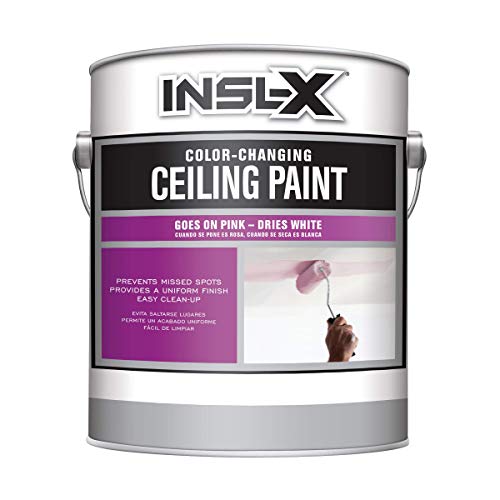
INSL-X Color-Changing Ceiling Paint, White, 1 Gallon
Acrylic ceiling paint formulated with a disappearing pink color-change technology.
As an affiliate, we earn on qualifying purchases.
As an affiliate, we earn on qualifying purchases.

Savvy Choice Anti-Glare Sun Heat Control Window Privacy Film See Out Not in, Daytime One Way Privacy Window Film, Removable Window Tint for Home, Black Silver, 17.5 X 78.7 inch
Note: 1. Savvy Choice one way window film provides superb DAYTIME privacy, with a mirror effect looking in…
As an affiliate, we earn on qualifying purchases.
As an affiliate, we earn on qualifying purchases.