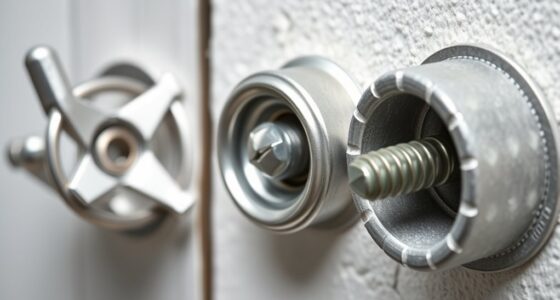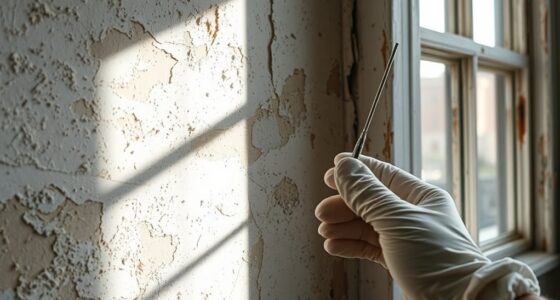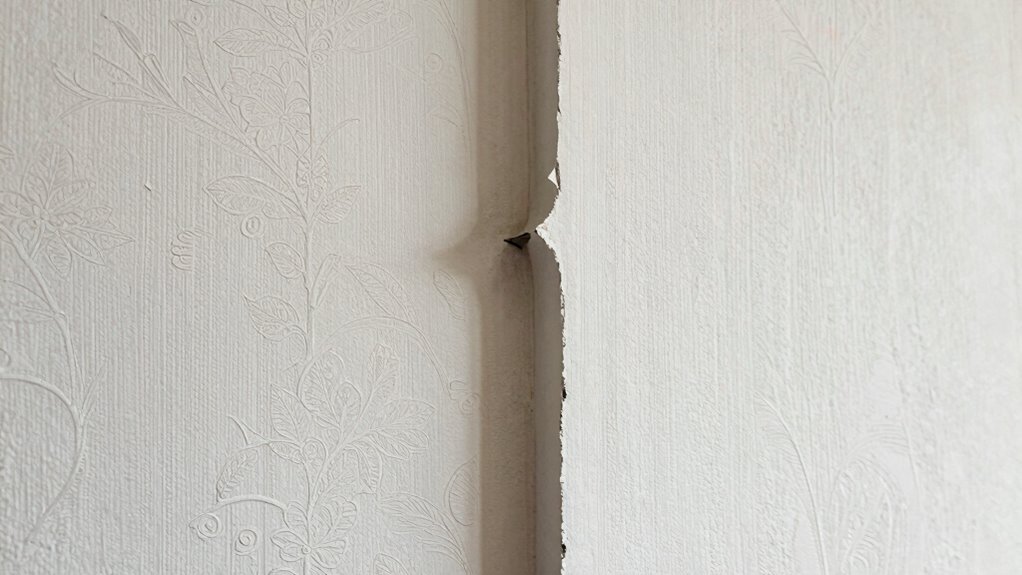

You need an exit strategy at corners because these spots are natural stress points prone to damage like peeling, cracking, or separation. Properly planning how wall treatments shift at corners helps prevent visual flaws and extends their durability, especially when using textured materials or panels. Using techniques like trims or moldings creates seamless, long-lasting finishes. If you want to guarantee your wall treatments stay flawless and withstand environmental challenges, understanding why exit strategies matter is essential—keep exploring to learn more.

Get furniture and decor delivered free with Prime
- Fast, free delivery on millions of items
- Prime Video, Amazon Music and more included
- Member-only deals all year
Key Takeaways
- Corners are stress points prone to damage, requiring exit strategies to prevent cracking or peeling.
- Proper transitions at corners maintain the wall treatment’s aesthetic and structural integrity.
- Using appropriate materials and techniques ensures durability and flexibility at stress-prone corners.
- Environmental factors like humidity can cause movement, making exit strategies crucial for longevity.
- Easy-to-maintain exit points facilitate repairs and prolong the overall lifespan of wall treatments.
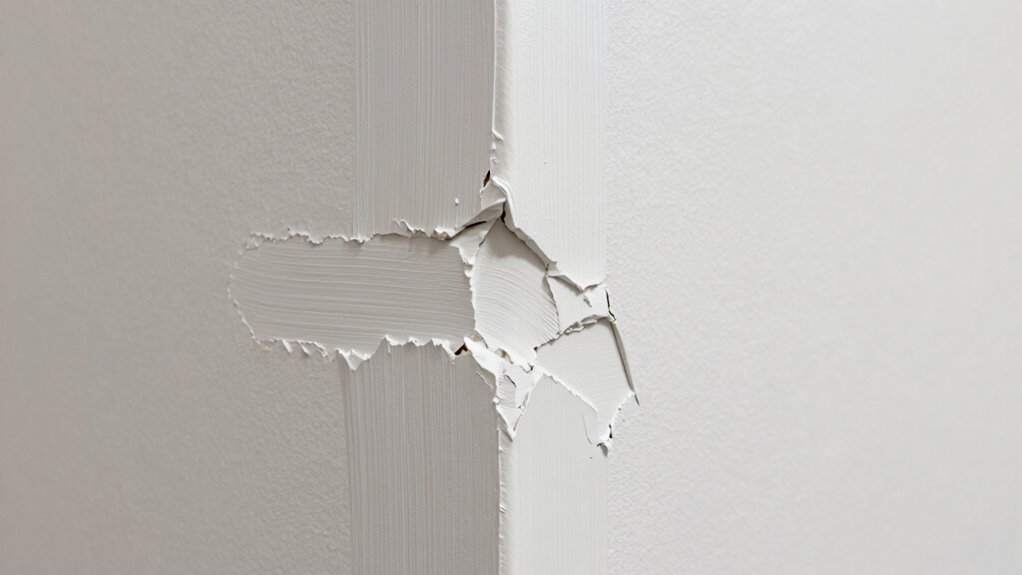
When applying wall treatments in corners, you need to be strategic. Corners are natural stress points where wall treatments are more prone to damage or separation if not handled properly. An exit strategy for your wall treatments at corners is essential because it ensures a seamless transition and maintains the integrity of the design. Without a proper plan, decorative textures can peel or crack at these vulnerable spots, diminishing the overall aesthetic. You want to prevent those issues by choosing durable materials that can withstand movement and impact, especially at corners where walls meet.
One key aspect of this exit strategy is understanding how different materials behave in corners. For instance, textured wallpaper or wall panels with intricate patterns may need additional reinforcement or careful trimming to avoid peeling or uneven edges. Using materials with high durability means your wall treatment can flex and move slightly without damage, which is crucial at corners. This also involves planning for how the treatment will end or transition at these points. You might incorporate corner beads, trims, or moldings that allow the decorative textures to blend smoothly into adjacent walls, creating a polished, professional finish. Incorporating proper installation techniques** is vital to ensure the longevity of these transitions. Additionally, considering how material flexibility** impacts the overall durability can help prevent future issues. Properly sealing edges and joints can also contribute to a more resilient and cohesive finish.
It’s also important to consider how environmental factors such as humidity or temperature fluctuations can impact the materials, especially at corners where stress and movement are more concentrated. Choosing moisture-resistant and flexible materials helps ensure your wall treatments stay intact at corners over time. Proper installation techniques are equally important — ensuring that adhesives or fasteners are appropriate for the chosen material and location. This prevents issues like bubbling, cracking, or detachment down the line. A strategic approach to corner detailing can significantly enhance the overall durability and appearance of your wall treatments.
A well-planned exit strategy can also include maintenance considerations, such as easy touch-ups or repairs, which further prolongs the aesthetic and structural integrity of your wall treatments. Ultimately, your exit strategy for wall treatments at corners isn’t just about aesthetics; it’s about practicality. You want a design that looks flawless now and remains durable in the future. Carefully selecting textures, materials, and installation methods will help you maintain a seamless appearance, even where walls meet. When you plan accordingly, your space will look cohesive, polished, and resilient, standing the test of time and everyday use.
Products Worth Considering

Dyson V8 Cordless Vacuum

Bose TV Speaker (2nd Gen) Compact Soundbar with Bluetooth and HDMI Connectivity

Sonos Era 100 Wireless Smart Speaker, Black
As an affiliate, we earn on qualifying purchases.
Frequently Asked Questions
How Do Exit Strategies Affect Overall Wall Treatment Durability?
Exit strategies substantially influence wall treatment durability by managing wall expansion and contraction, preventing cracks and damage over time. You guarantee aesthetic continuity by planning clean, seamless transitions at corners, which helps maintain the overall appearance. Without proper exit strategies, your wall treatment may weaken, peel, or crack, reducing its lifespan. Properly addressing corners allows your wall treatment to stay intact longer, preserving both its look and structural integrity.
Are There Specific Materials Best Suited for Corner Exit Strategies?
Think of corner materials and exit techniques as the sturdy bridge connecting your wall’s story. You should opt for flexible, durable materials like metal or vinyl that bend and adapt without cracking. These materials act as the backbone of your exit strategy, seamlessly guiding your wall treatment around corners. By choosing the right corner materials and exit techniques, you guarantee your design flows smoothly, lasting longer and resisting the wear and tear of everyday life.
How Do Exit Strategies Impact Wall Treatment Installation Time?
Exit strategies can considerably impact your wall treatment installation time by ensuring smoother progressions at corners. When you plan for these, you gain better design flexibility, allowing you to adapt materials and techniques efficiently. This approach also maintains aesthetic continuity, preventing gaps or mismatched finishes. As a result, your installation process becomes more streamlined, saving you time and effort while achieving a polished, cohesive look across your walls.
Can Exit Strategies Be Customized for Curved or Irregular Corners?
Yes, you can customize exit strategies for curved corners and irregular edges. You’ll want to carefully measure and plan your approach to guarantee seamless shifts. For curved corners, using flexible materials or pre-cut templates helps create smooth, professional finishes. Irregular edges may require tailored cuts or special tools. By adapting your method, you’ll achieve a clean look that complements the unique shapes, saving time and enhancing the overall quality of your wall treatment.
What Are Common Mistakes to Avoid When Planning Exit Strategies?
You should avoid common mistakes like neglecting design consistency and overlooking aesthetic considerations. Don’t choose an exit strategy that disrupts the flow of your wall treatment, causing uneven or awkward shifts. Also, rushing the planning process can lead to mismatched textures or colors at corners. Instead, carefully plan your approach, ensuring smooth, seamless progressions that enhance your overall design and maintain the aesthetic appeal of your space.
Conclusion
You might think wall treatments are straightforward, but without an exit strategy at corners, your design can quickly fall apart. Some believe seamless corners are impossible, but with proper planning, you can create clean, professional finishes. The truth is, every detail matters—so don’t leave your corners to chance. By implementing thoughtful exit strategies, you’ll guarantee your wall treatments stay flawless and your space looks polished. It’s the secret to professional results you don’t want to overlook.