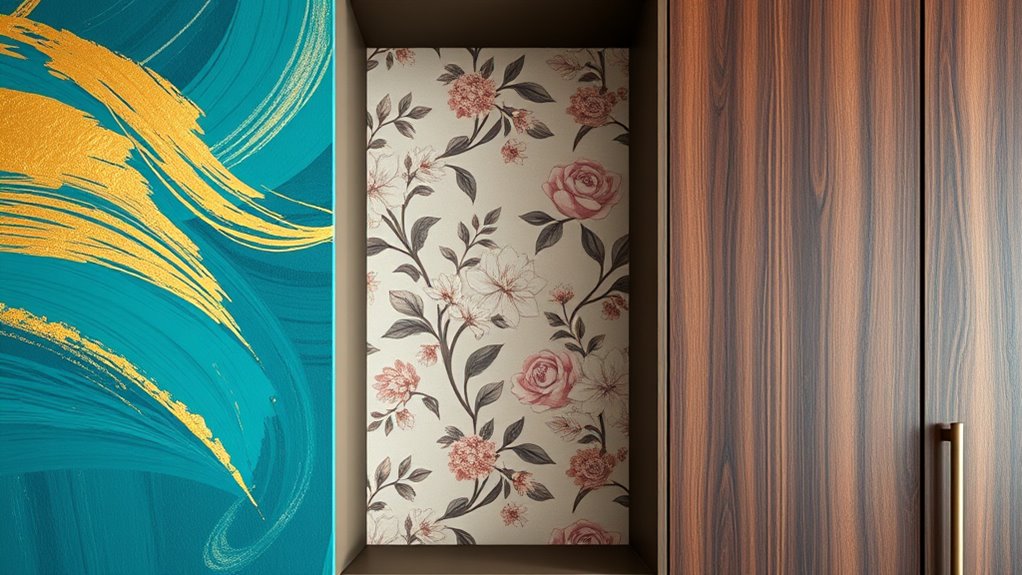

Choosing between paint, wallpaper, or paneling for your wall niche depends on the look you want. Paint offers versatility and a smooth finish that can be easily updated, while wallpaper adds texture and pattern for visual interest. Paneling provides a structured, dimensional effect that adds warmth and richness. Each option creates a unique style and atmosphere, and combining them with lighting and color schemes can really elevate your space. Keep exploring to discover how to make your niche stand out even more.
Key Takeaways
- Painted niches offer versatility and easy updates, allowing for quick color changes to suit evolving decor.
- Wallpaper inside niches adds texture, pattern, and visual interest, creating a striking focal point.
- Paneling provides a structured, dimensional look, enhancing depth and architectural appeal.
- Material choice influences how lighting interacts, affecting the overall ambiance and highlight of the niche.
- Combining lighting with the chosen finish (paint, paper, or panels) maximizes visual impact and design cohesion.
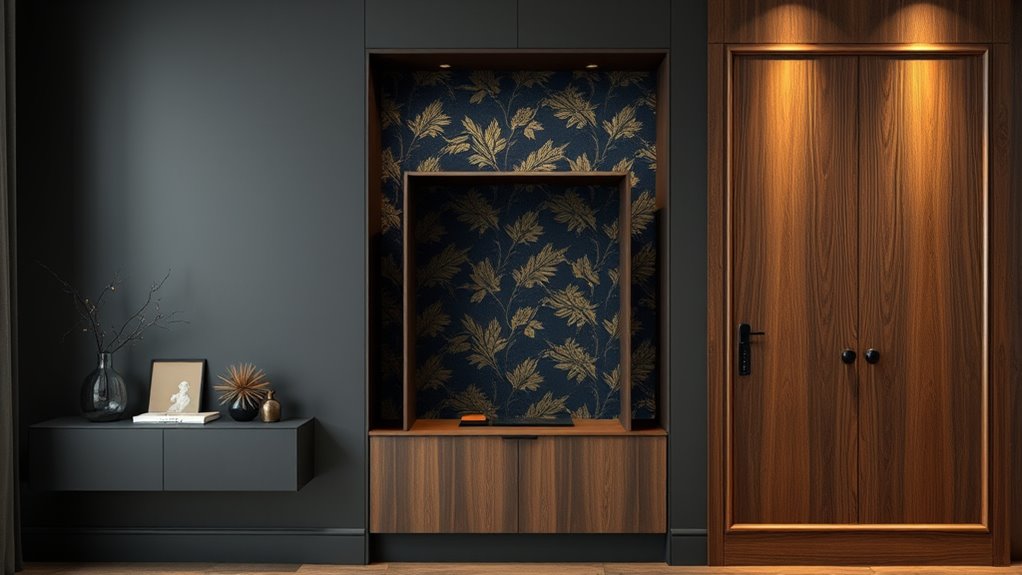
Have you ever contemplated how a wall niche can transform a plain space into a stunning focal point? When you choose to add a wall niche, it’s not just about creating extra storage or display space—it’s about enhancing the entire room’s design. One key element to consider is lighting options. Proper lighting can highlight your chosen niche, whether you opt for subtle spotlights, LED strips, or a decorative sconce. The right lighting accentuates the depth and texture of the niche, drawing attention and creating ambiance. For example, warm LED lights can make your displays feel cozy and inviting, while cooler tones add a modern vibe. When selecting lighting options, think about the mood you want to set and how much natural or ambient light the space already has.
Color schemes also play a major role in how your wall niche looks and feels. If you’re leaning toward a painted niche, you can choose a bold, contrasting color to make it stand out against neutral walls or opt for a shade that blends seamlessly with the surrounding wall color for a more subtle effect. Wallpaper inside the niche adds texture and pattern, which can complement or contrast with the room’s overall color palette. Paneling, on the other hand, offers a more structured look. You can paint the panels in colors that match or complement your room’s scheme or use stained or natural wood tones for a warmer, earthy vibe. The choice of color schemes can influence the visual depth of the space, making the niche appear larger or more integrated into the wall.
When deciding among paint, paper, or panels for your wall niche, consider how each option interacts with lighting and color schemes. Painted niches offer versatility—you can easily change the color if you want a new look. Wallpaper adds character and pattern, which can be highlighted with creative lighting. Panels, whether wood or MDF, create a dimensional effect that’s enhanced by well-placed lighting. Whichever you choose, keep in mind that the interplay of lighting options and color schemes will determine how striking your niche becomes. Properly highlighting it ensures that it doesn’t just blend into the wall but becomes an eye-catching feature of your room’s design. By carefully selecting lighting and colors, you can turn a simple wall niche into a captivating centerpiece that elevates your entire space.

LYTARA Dimmable Cordless Picture Light with Controller and Timer, Rechargeable 5000mAh Battery Wall Sconce for Wall Pictures, Gallery Artwork, Paintings, Portraits, Dartboards (Gold)
LYTARA Dimmable Cordless Picture Light: Illuminate your wall pictures, gallery artwork, paintings, portraits, and dartboards with our elegant...
As an affiliate, we earn on qualifying purchases.
Frequently Asked Questions
Which Wall Niche Accent Is Most Durable for High-Traffic Areas?
For high-traffic areas, panels are your best choice because of their superior material durability. They resist scratches and dents better than paint or paper, making them ideal for busy spaces. Plus, panels offer excellent design versatility, allowing you to choose various textures, finishes, and styles to match your decor. You’ll enjoy a long-lasting, stylish wall niche accent that maintains its appearance despite daily wear and tear.
How Do Wall Niche Accents Impact Room Acoustics?
Did you know wall niche accents can improve room acoustics by up to 20%? They influence sound absorption, reducing echo and noise, especially in high-traffic areas. By strategically designing your niches with textured materials or panels, you enhance space perception and create a more comfortable environment. These accents don’t just add style—they actively contribute to better sound management, making your room both visually appealing and acoustically balanced.
Are There Eco-Friendly Options for Wall Niche Accents?
Yes, you can choose eco-friendly finishes and sustainable materials for wall niche accents. Look for paints with low or zero VOCs, natural wallpapers made from recycled or biodegradable materials, and panels crafted from sustainably sourced wood or bamboo. These options diminish environmental impact and indoor air pollution, helping you create a stylish, eco-conscious space. Making sustainable choices ensures your wall accents are beautiful and environmentally responsible.
What Are the Cost Differences Among Paint, Paper, and Panel Accents?
You’ll find that paint is the most budget-friendly option, with lower material pricing and simple application. Wallpaper tends to cost more due to higher material prices and installation labor, especially for custom designs. Wall panels usually have the highest cost because of material expenses and professional installation requirements. For a cost comparison, paint saves you money upfront, while paper and panels can add to your overall budget but offer more design versatility.
How Long Do Different Wall Niche Accent Materials Typically Last?
Ever wondered how long your wall niche accent will last? Paint typically endures 5-10 years, offering easy updates but less durability. Wallpaper can last 10-15 years when well-maintained, adding aesthetic versatility but may peel over time. Panels often last 15-20 years, providing a sturdy, long-term option with a sleek look. Your choice depends on balancing durability comparisons and the style you want to showcase in your space.
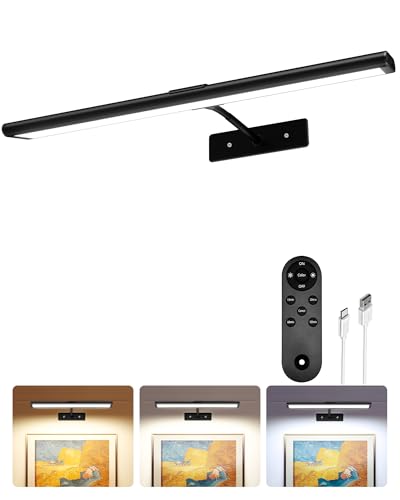
EZVALO Picture Light for Wall, 4800mAh Rechargeable Wireless Remote Battery Lights for Painting, 16In Dimmable Magnetic LED Art Display Light, Colors Temperatures, for Gallery, Living Room,Hallway
USB Rechargeable & Easy Charge: Our picture light with with built-in 4800mAh large-capacity battery and comes with a...
As an affiliate, we earn on qualifying purchases.
Conclusion
Ultimately, whether you choose paint, paper, or panel, your wall niche becomes a stunning focal point — irony lying in the fact that what’s meant to blend in often steals the show. You might’ve started aiming for subtlety, but with the right accent, your niche commands attention. So go ahead, embrace the bold choice. After all, sometimes the quietest design decision makes the loudest statement—and that’s precisely what makes it so intriguing.

Hivone 40X32 LED Bathroom Mirror with Lights, Anti-Fog, Dimmable, Backlit + Front Lit, Smart Bathroom Vanity Mirror, Memory Function, Shatterproof, Tempered Glass (Horizontal/Vertical)
[Double Lighting Sources,Super Bright]: Hivone LED bathroom mirror built-in double light LED strips with backlit and front light...
As an affiliate, we earn on qualifying purchases.
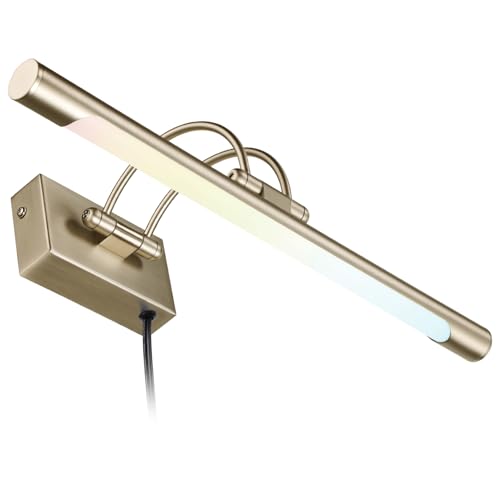
LEONLITE 3CCT Dimmable LED Picture Light, 2700K/3000K/4000K Selectable, CRI90 Swivel Full Metal Picture Frame Light for Wall Art, Painting, Artwork, Portrait, Plug-in & Hardwired, Antique Brass
3 CCT Selectable: The 15.75 inches LED picture light fixtures have three different color temperatures to choose from:...
As an affiliate, we earn on qualifying purchases.